
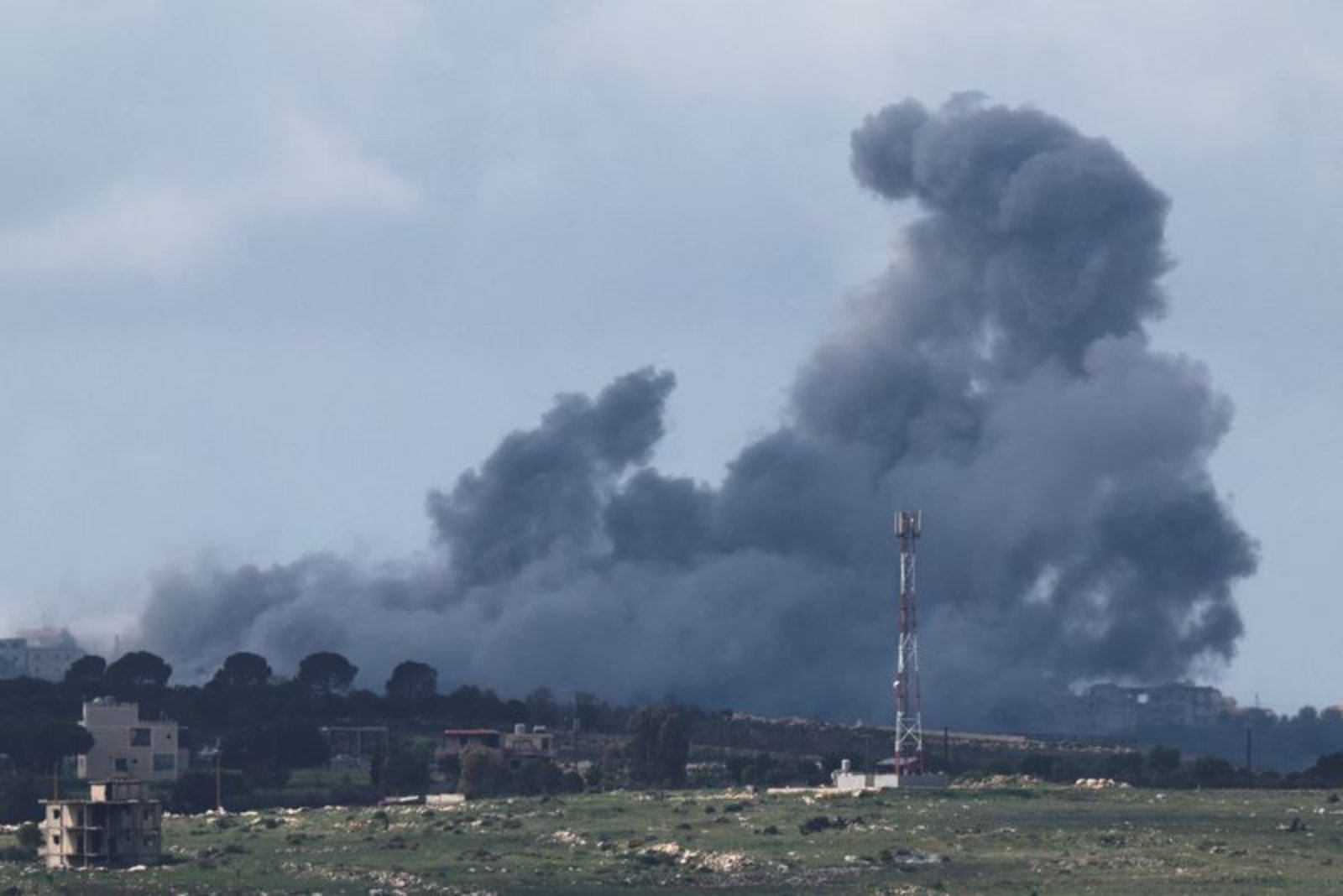
JERUSALEM/BEIRUT, April 10 - Senior envoys from Israel and Lebanon are due to meet in Washington next week, according to Israeli officials, as U.S. efforts intensify to calm weeks of fighting that has pitted Israel against Iran-backed Hezbollah. The diplomatic push follows a fragile pause between the United States and Iran and comes under direct pressure from U.S. President Donald Trump to bring hostilities to an end.
The planned talks are part of a broader diplomatic sequence that includes parallel Iranian demands - voiced ahead of separate talks scheduled this weekend in Pakistan - that Israel cease its operations in Lebanon before broader negotiations proceed. U.S. mediation has been central to facilitating the opening of direct contacts between the two sides.
Who is fighting and why
Fighting escalated after Hezbollah launched missile strikes on Israel on March 2, an attack that came three days into a concurrent U.S.-Israeli campaign against Iran. Israel responded with intensified airstrikes across Lebanon and expanded ground incursions into the country’s south. Those operations included evacuation orders for what Israeli authorities described as villages used as Hezbollah strongholds, prompting hundreds of thousands of Lebanese to flee their homes.
Casualty figures cited by Israeli sources indicate at least 1,888 people have been killed in Israeli strikes across Lebanon, while Hezbollah rocket fire has killed at least two Israelis. This outbreak of violence follows a previous round of fighting in 2024, after which the United States brokered an agreement intended to disarm Hezbollah. Lebanese authorities subsequently ordered the army to assert a state monopoly over arms, a measure Israel has said has not been successfully implemented.
Hezbollah has publicly rejected calls to lay down arms, characterizing its missile inventory and other weaponry as components of national defense against Israeli attacks. Even after the 2024 accord, Israel continued to carry out strikes it described as targeting Hezbollah stockpiles and fighters.
How the talks were initiated
Roughly a week into the current hostilities, Lebanon’s President Joseph Aoun signaled a readiness to engage in direct negotiations with Israel to stop the fighting, even suggesting an eventual move toward normalizing relations. At that time, Israel dismissed the overture as untimely from a government that, while publicly aligned on the objective of disarming Hezbollah, lacks the capacity to confront the group without risking internal instability.
The trajectory shifted after the United States and Iran reached an agreement on Tuesday aimed at halting broader fighting. With Iran insisting that any progress include an Israeli cessation of operations in Lebanon prior to Pakistan talks, President Trump reportedly urged Israeli Prime Minister Benjamin Netanyahu during a Thursday phone call to ease the pressure on Hezbollah targets. Shortly thereafter, Netanyahu announced that Israel would enter negotiations with Lebanon.
Who will lead the meetings
Two Israeli officials said the initial Washington contact will be between Israel’s ambassador to the United States, Yechiel Leiter, and Lebanon’s ambassador to Washington, Nada Hamadeh Moawad. One of the officials indicated the meeting would take place next week.
Prime Minister Netanyahu has designated Ron Dermer, a former foreign minister and close adviser, to lead any eventual negotiations with Lebanon. A source familiar with the matter said Dermer might participate in later rounds but was not expected at the Washington meeting next week. Lebanon has named Simon Karam, a former ambassador to the U.S., to lead its delegation in broader talks; Lebanese officials said he would likewise not attend the initial Washington meeting.
Israel’s objectives and posture
Netanyahu has stated Israel will not suspend attacks on Hezbollah and framed upcoming talks as focused on two objectives: disarming Hezbollah and negotiating a peace agreement with Lebanon. Officials have not clarified whether Israel would be willing to scale back ground operations or withdraw from positions inside Lebanon if talks made sufficient progress.
Operationally, Israel has been conducting strikes on Lebanese villages it says are associated with Hezbollah to create a buffer zone beyond its northern border. One senior Israeli official said the military would reduce the intensity of attacks ahead of the Washington meeting. Another senior official, who has been involved in cabinet discussions, said Israel plans to press Lebanon to dismiss Hezbollah-affiliated ministers from the government as part of its negotiating posture.
Lebanon’s priorities and constraints
Lebanese officials have said the talks should concentrate on establishing and announcing a ceasefire, and that an exact date for the Washington meeting had yet to be finalized. Lebanon’s official position, as articulated by a senior Lebanese source, is that a ceasefire must be in place before discussions can proceed toward a more comprehensive settlement with Israel.
Lebanon’s decision to engage marks an unprecedented level of domestic opposition to Hezbollah’s role as an armed faction. In March, Lebanon’s government moved to prohibit Hezbollah from undertaking military activities. Nonetheless, Hezbollah retains a substantial arsenal and continues to draw support from a significant segment of Lebanon’s Shi’ite Muslim community. The presence of that military capability, combined with social and political backing, makes a formal disarmament process a formidable challenge for Lebanon’s fragile state institutions, which the official characterized as confronting one of their most precarious periods since the 1975-90 civil war.
Past interactions between the two states
Israel and Lebanon have no official diplomatic ties and have technically remained at war since Israel’s founding in 1948. The relationship has been punctuated by repeated Israeli military interventions, including an 18-year occupation of southern Lebanon from 1982 to 2000 that began as an offensive against Palestinian militants.
More recently, U.S.-mediated diplomacy produced a 2022 bilateral agreement that delineated a maritime boundary between the two countries. In December 2025, the sides also took part in U.S.-facilitated, indirect talks in Naqoura in southern Lebanon aimed at consolidating the deal that concluded the 2024 Israel-Hezbollah fighting.
What remains uncertain
Key unknowns include the exact timing of the Washington meeting, whether Israel will materially scale back ground operations, and what authority the participating envoys will have to advance binding decisions. Lebanon maintains that a ceasefire must precede substantive negotiations, while Israel has indicated its core demands - the disarmament of Hezbollah and a peace framework with Lebanon - will remain the crux of any talks.
The coming days will test whether diplomatic engagement, led by U.S. mediation and conditioned by a tenuous U.S.-Iran pause, can translate into concrete steps on the ground to halt violence and create space for sustained negotiations.