
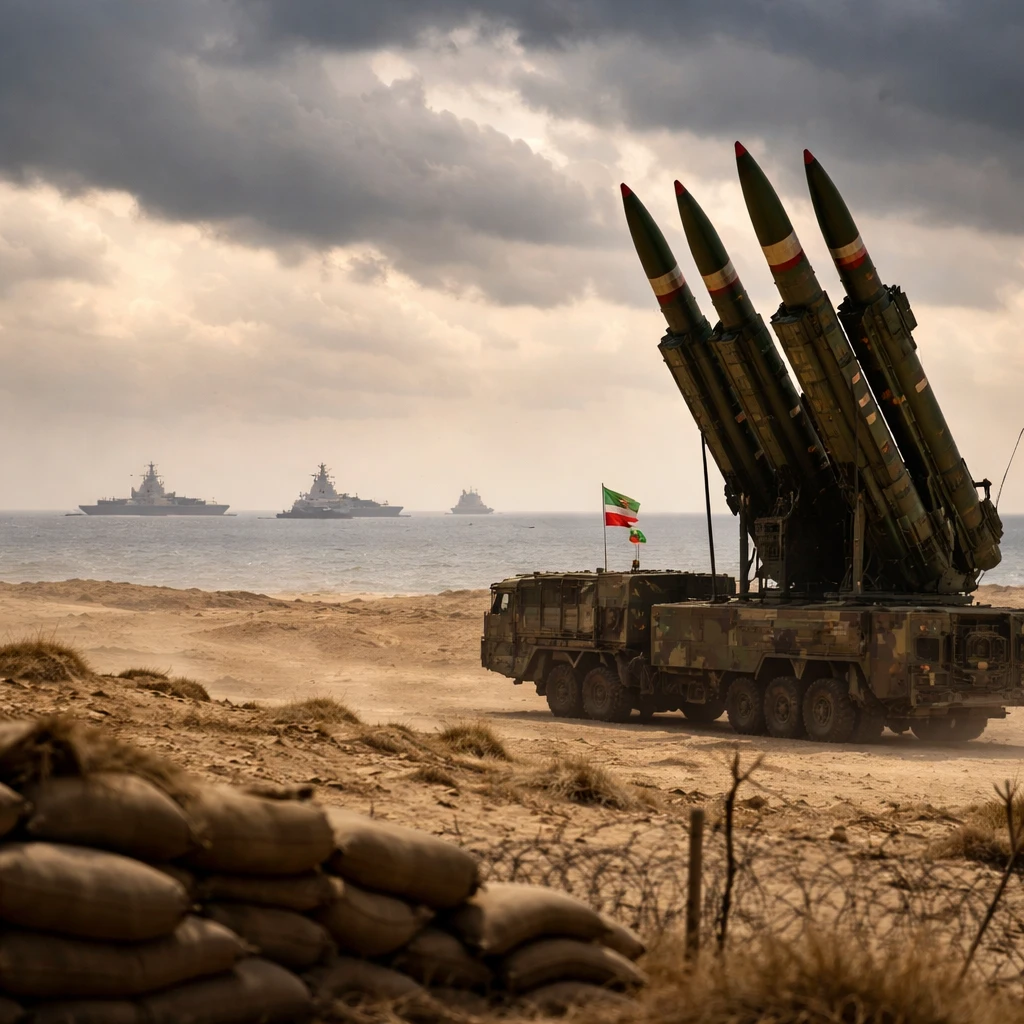
A senior Iranian cleric has cautioned that U.S.-connected assets within the region are being monitored closely and could become targets in the event of military action against Iran. This statement follows U.S. President Donald Trump's announcement of a naval armada moving toward the country, amidst heightened tensions over nuclear and protest-related issues. Iranian officials have also refuted claims regarding mass executions linked to recent domestic unrest.
Key Points
- A top Iranian cleric warned U.S.-linked investments in the region are monitored and could be targeted if Iran faces an attack.
- U.S. President Trump announced deployment of a significant naval force toward Iran, raising the risk of military confrontation.
- Iranian officials denied reports of mass execution cancellations following widespread anti-government protests, contradicting U.S. claims.
During Friday prayers in Tehran, Mohammad Javad Haj Ali Akbari, a prominent Iranian cleric, declared that investments tied to the United States, totaling around one trillion dollars in the region, are under vigilant missile surveillance by Iran. However, he did not clarify which specific investments he referenced.
This pronouncement arrives shortly after U.S. President Donald Trump announced that a significant naval force, described as an "armada," is en route to Iran. President Trump expressed hope to avoid conflict but maintained stern warnings against Tehran, urging the Iranian government not to intensify repression of protesters or resume its nuclear program.
In a related development concerning Iran’s internal affairs, the country's chief prosecutor Mohammad Movahedi publicly rejected assertions made by President Trump that Iran had canceled 800 executions of individuals arrested during recent widespread protests. According to the judiciary’s news outlet Mizan, Movahedi stated that such claims are false and no such numbers or decisions exist within the judiciary.
Separately, Iranian Foreign Minister Abbas Araqchi spoke to Fox News last week, denying any plans for executions in connection with the anti-government demonstrations.
Human rights organizations have documented thousands of fatalities during the protests, which marked the most significant domestic challenge to Iran’s theocratic regime since 2022.
The dynamic geopolitical environment, coupled with these statements, may have implications for sectors exposed to regional stability, particularly foreign investments tied to U.S. interests and energy markets, given the Middle East's strategic importance.
As the situation develops, market participants remain vigilant regarding fluctuations influenced by these escalating tensions.
Risks
- Potential military conflict between the U.S. and Iran could jeopardize regional foreign investments, affecting sectors such as energy and infrastructure.
- Heightened geopolitical tensions may contribute to significant volatility in global markets, especially those connected to Middle Eastern assets.
- Domestic unrest and human rights concerns in Iran introduce regulatory and reputational risks for international companies with regional exposure.