
World March 31, 2026

Iran Strengthens Penalties for Alleged Spying, Threatens Asset Seizures and Death Penalty

Judiciary signals tougher wartime enforcement after regional strikes, citing media and online activity as potential intelligence cooperation

By Ajmal Hussain
Iran Strengthens Penalties for Alleged Spying, Threatens Asset Seizures and Death Penalty

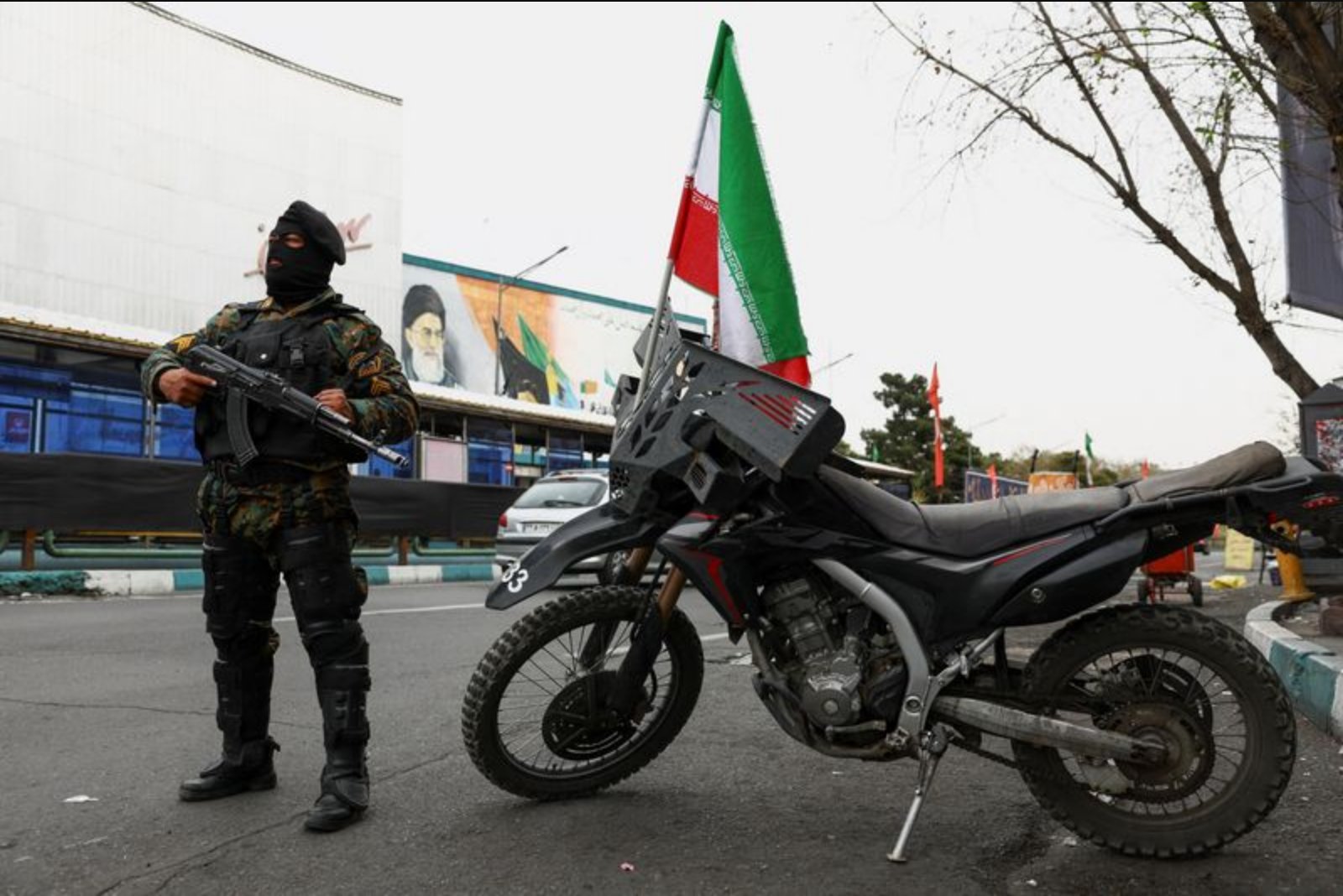
Iran's judiciary has warned that individuals accused of spying for or assisting 'hostile states' face the death penalty and confiscation of assets under enhanced legislation, authorities said. The measures, emphasized a month into a regional conflict that began with strikes on February 28, also treat the sharing of imagery or content that could aid targeting as potential cooperation with enemies. Officials report more than 1,000 arrests in the past month and about 200 indictments in related cases, and say they are coordinating with security bodies to identify and seize suspect assets.

Key Points

  • Iran's judiciary says the enhanced law allows death sentences and full asset confiscation for those found guilty of spying or cooperating with 'hostile states' - impacts legal and financial sectors.
  • Officials report more than 1,000 arrests and roughly 200 indictments in the past month for activities including filming sensitive locations and sharing content online - implications for technology and social media platforms.
  • Authorities link tougher enforcement to a regional conflict that began with strikes on February 28, which officials say has caused thousands of deaths, disrupted energy supplies and affected the global economy - implications for energy markets and broader economic stability.

The Iranian judiciary has announced steep penalties for people accused of espionage or collaboration with what it terms "hostile states," including the possibility of the death penalty and the confiscation of all assets, a judiciary spokesperson said. The comments come about a month after the United States and Israel launched strikes on Iran on February 28, after which officials say the conflict has expanded across the region.

Under legislation that officials say was passed last year, authorities are treating a range of activities - described as operational, intelligence-related or certain media acts - as potentially supporting hostile governments, notably the United States and Israel. The judiciary spokesman underscored that even distribution of photographs or video that could facilitate enemy targeting may be categorized as intelligence cooperation.

Iranian media outlets have reported that more than 1,000 people were arrested over the course of the month for alleged activities including filming sensitive sites, sharing anti-government material online, or cooperating with the enemy. The judiciary spokesman said around 200 indictments have been issued in such cases, and that enforcement has intensified in wartime with increased penalties for those spreading what officials call misinformation designed to create fear.

Authorities said they are working alongside security agencies to trace and confiscate assets linked to suspects, and the spokesman warned that there would be no leniency in applying the law. Officials framed the tougher approach as part of a wartime posture, with legal sanctions heightened under the circumstances.

The wider conflict, which officials trace to attacks on February 28, has, according to authorities, led to fatalities numbering in the thousands, disruptions to energy supplies and effects on the global economy. The judiciary comments tie domestic enforcement actions to this broader security environment, but officials did not provide further operational details on enforcement procedures or timelines beyond the figures on arrests and indictments.

As stated by the judiciary spokesman, the focus of the legislation covers activities judged to offer operational or intelligence support to hostile states, and extends to certain media behaviors. Penalties for creating fear through what authorities label misinformation include prison terms, with those penalties elevated during wartime conditions.

Risks

  • Increased arrests and severe penalties for activities involving images or online content could heighten legal uncertainty for individuals and media operators - impacts the technology and communications sectors.
  • Asset seizure measures, pursued with security bodies, raise risks for financial stability and property rights where suspects are identified - affects banking and asset management sectors.
  • Escalation of the regional conflict, cited by officials as having disrupted energy supplies and global economic activity, creates continued volatility for energy markets and international trade.

More from World

UNRWA Chief Urges High-Level Probe After Hundreds of Staff Killed in Gaza Conflict Mar 31, 2026 Grassroots Volunteers Kept HIV Patients on Treatment After U.S. Aid Freeze Disrupted Supplies in Nigeria Mar 31, 2026 Three Indonesian UN Peacekeepers Killed in Separate Incidents in Southern Lebanon Mar 31, 2026 EU Diplomats Visit Kyiv to Mark Bucha Anniversary and Signal Support amid Aid Dispute Mar 31, 2026 U.S. Trade Chief Says WTO Will Play a Limited Role After Cameroon Deadlock Mar 30, 2026