
World January 28, 2026

Iran Says It Has Not Sought Talks With U.S., Foreign Minister Says

Tehran denies recent contact with U.S. special envoy as regional tensions rise and leaders call for processes that avert war

By Hana Yamamoto
Iran Says It Has Not Sought Talks With U.S., Foreign Minister Says

Iran’s foreign minister said there has been no recent contact with U.S. special envoy Steve Witkoff and that Iran has not requested negotiations. The comments came amid U.S. warnings of another fleet moving toward Iran and reports of additional U.S. military deployments in the Gulf following domestic unrest in Iran.

Key Points

  • Iran’s Foreign Minister Abbas Araqchi said he had no recent contact with U.S. special envoy Steve Witkoff and that Iran did not request negotiations - sectors impacted: diplomacy, defense.
  • Araqchi stated intermediaries are consulting with Tehran but reiterated that talks cannot occur alongside threats or excessive demands - sectors impacted: international relations, energy markets (due to Gulf security concerns).
  • U.S. President Donald Trump said another "armada" is heading toward Iran and the U.S. deployed additional military assets in the Gulf after nationwide protests and a harsh domestic crackdown - sectors impacted: defense, shipping, energy.

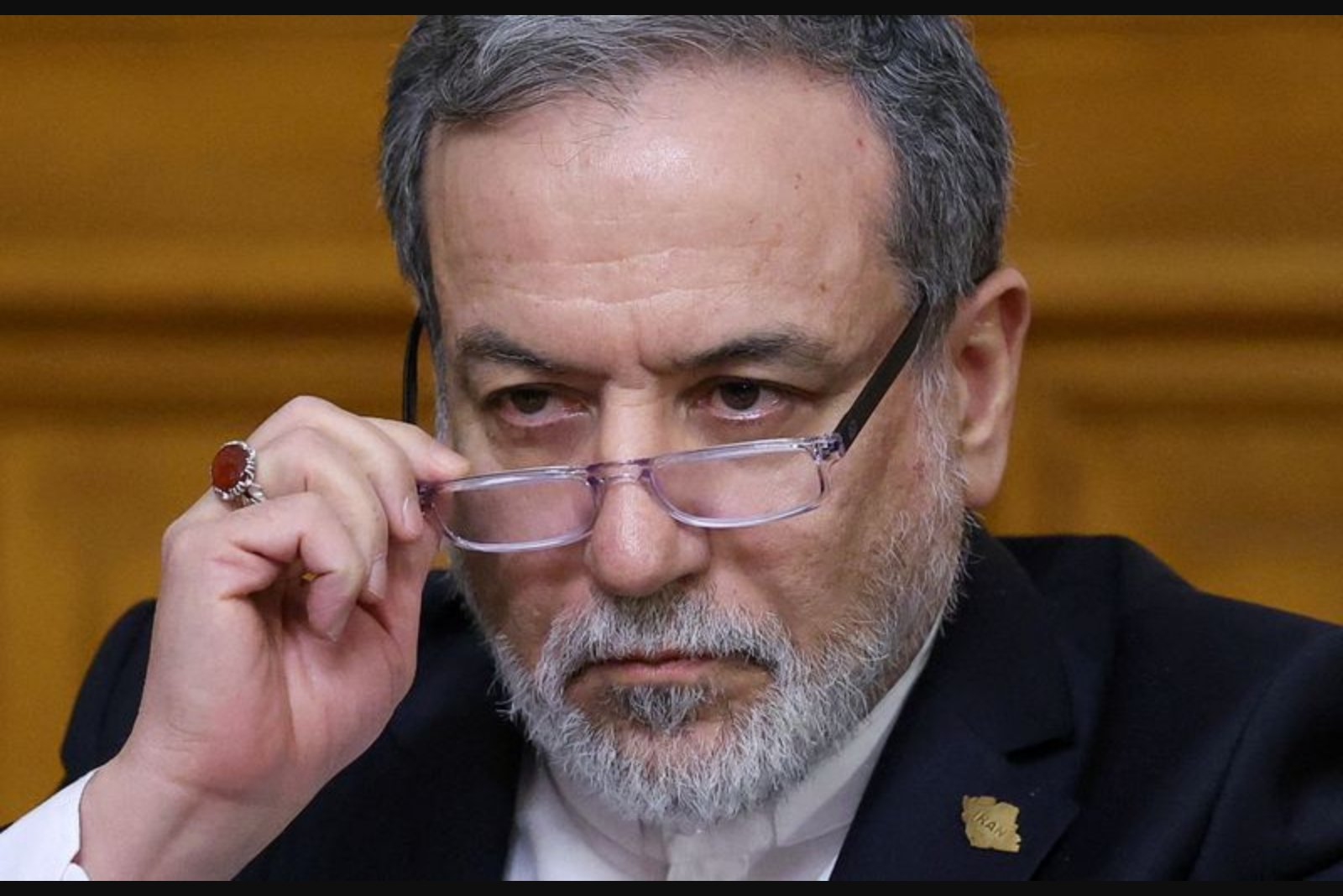
DUBAI, Jan 28 - Iran’s Deputy Foreign Minister Abbas Araqchi told state media on Wednesday that he had not been in touch with U.S. special envoy Steve Witkoff in recent days and that Tehran had not sought negotiations with Washington.

Araqchi said intermediaries were engaged in consultations and remained in contact with Iranian officials, but reiterated Tehran’s conditions for any talks. He was quoted as saying that negotiations are incompatible with threats and that dialogue can occur only when menaces and excessive demands are no longer present.

"There was no contact between me and Witkoff in recent days and no request for negotiations was made from us," Araqchi said, adding that various intermediaries were "holding consultations" and were in contact with Tehran.

"Our stance is clear, negotiations don’t go along with threats and talks can only take place when there are no longer menaces and excessive demands."

The comments followed remarks from U.S. President Donald Trump, who on Tuesday said another "armada" was floating toward Iran and expressed hope that Tehran would reach a deal with Washington. Separately, U.S. authorities have deployed additional military assets in the Gulf, a move that followed nationwide protests in Iran.

The domestic unrest in Iran prompted what has been described as the country’s bloodiest crackdown since the 1979 Islamic Revolution, and U.S. military deployments came amid heightened tensions linked to those events, according to reporting.

In a related diplomatic exchange, Iran’s President Masoud Pezeshkian told Saudi Arabia’s Crown Prince Mohammed bin Salman on Tuesday that Tehran welcomes any process that prevents war, provided it operates within the framework of international law.

The sequence of statements from Iranian officials and U.S. leaders underscores the current state of cautious public positioning: Tehran denies initiating formal talks while acknowledging intermediaries’ consultations, and Washington signals pressure through both rhetoric and the movement of military assets.


There is limited public detail in the statements about the specific nature or participants of the intermediated consultations, and Iranian officials emphasized preconditions for any direct negotiations with the United States.

Risks

  • Escalating military presence in the Gulf could heighten geopolitical risk and affect maritime security and energy supply routes - impacts oil and shipping sectors.
  • Domestic unrest in Iran and the severe government crackdown increase political uncertainty, which may complicate diplomatic channels and delay de-escalation - impacts international diplomacy and regional stability.
  • Public statements indicating that negotiations are conditional and not occurring now introduce uncertainty about prospects for a negotiated resolution - impacts investor risk sentiment in regional markets.

More from World

U.S. Olympic hospitality site renamed 'Winter House' after protests over ICE shootings Feb 2, 2026 Greenland’s premier says U.S. still aims for control despite ruling out military action Feb 2, 2026 Kremlin says Russia has long offered to process or store Iran’s enriched uranium Feb 2, 2026 Long-Awaited Rafah Reopening Prompts Hope and Anxiety Among Palestinians Stranded Across Border Feb 2, 2026 Rafah Reopens but Core Questions Persist Over Implementation of Trump’s Gaza Blueprint Feb 2, 2026