
The International Olympic Committee (IOC) has publicly conveyed concern for the welfare of Iranian athletes as the country grapples with intensifying unrest. The IOC said it remains in contact with Iran’s Olympic community and that its message of concern is shared by the Association of Summer Olympic International Federations and the Winter Olympic Federations.
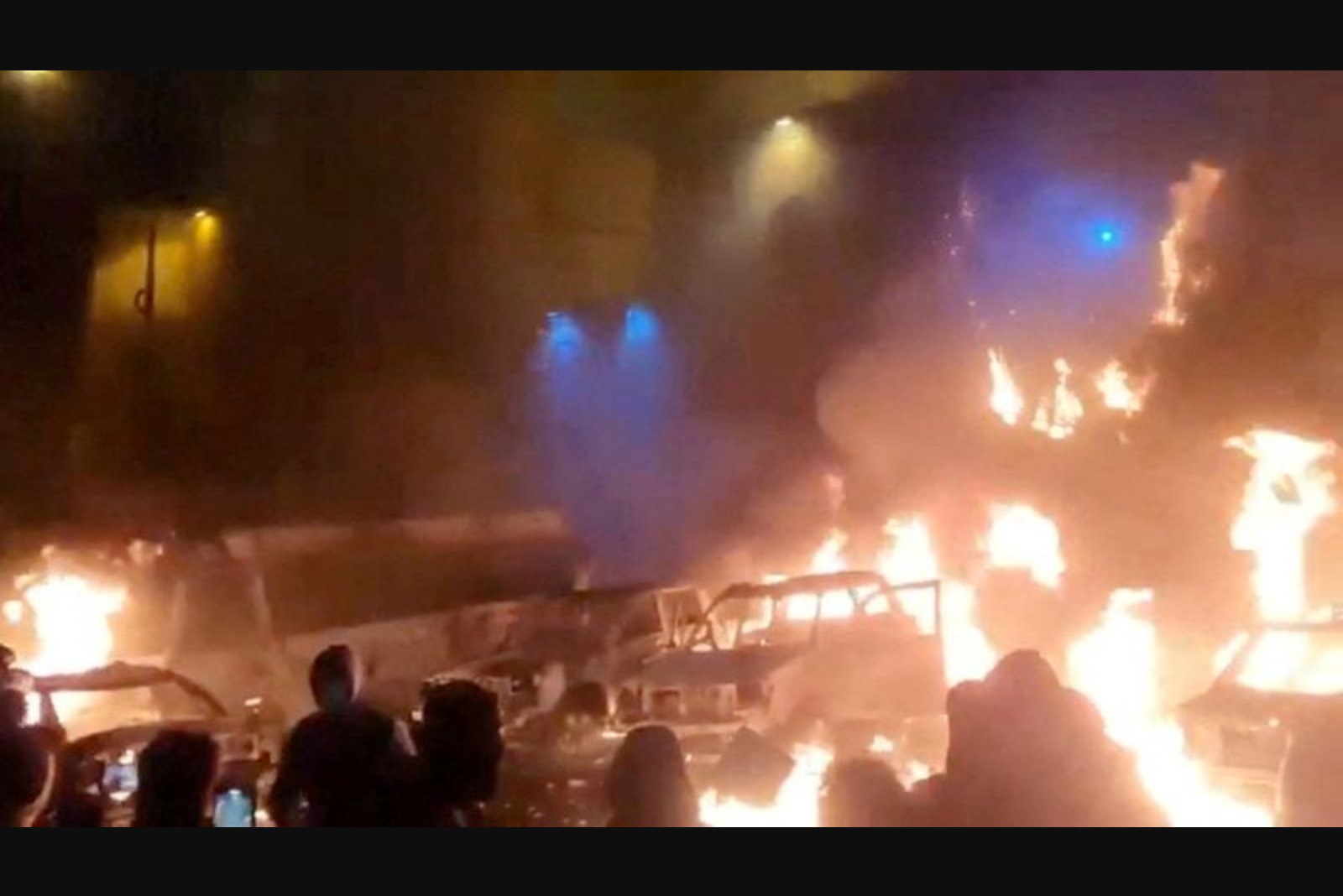
Reports indicate that plainclothes Iranian security forces have detained thousands of people in a campaign of mass arrests and intimidation aimed at deterring further demonstrations. Authorities have moved to restrict communications and have used overwhelming force to suppress what rights groups describe as the bloodiest unrest since the 1979 Islamic Revolution.
Initial protests began last month in Tehran’s Grand Bazaar over economic hardship and quickly evolved into wider demonstrations reflecting long-suppressed grievances. The protests escalated into what observers have characterized as the gravest threat to Iran’s theocratic system in nearly five decades, with many demonstrators calling for senior clerics to step down.
In responding to inquiries, the IOC said it is particularly concerned about the situation of Iranian athletes impacted by the events unfolding in their country - as it is with athletes affected by conflict and tragedy elsewhere.
"At this moment in time, we are particularly concerned about the situation of Iranian athletes impacted by the events unfolding in their country - as we are with all athletes who face conflict and tragedies elsewhere in the world," the IOC said. "Unfortunately, these situations are more regularly brought to our attention due to the increasingly divided world in which we live. We have to be realistic about the IOC's ability to directly influence global and national affairs. At the same time, we will continue to work with our Olympic stakeholders to help where we can, often through quiet sport diplomacy."
Human rights and monitoring groups report a heavy toll from the crackdown. The U.S.-based HRANA rights group has compiled a death toll of 6,373 and reports 42,486 arrests related to the unrest. Authorities in Tehran have pointed to "armed terrorists" they allege are linked to Israel and the United States as responsible for violence, while rights organizations attribute the large number of deaths to security force actions.
In the sports world, concerns have been raised about specific athletes. Iran International, described as a Persian-language satellite television channel and multilingual digital news operation based in London, reported that a 19-year-old wrestler, Shahab Fallahpour, was killed by security forces during demonstrations in the southwestern city of Andimeshk.
United World Wrestling (UWW), the sport's international governing body, said it had received multiple communications regarding the situation of four Iranian wrestlers and that it is seeking further reliable information. UWW reiterated its obligation as a sporting organisation to protect athletes and to uphold fundamental sporting values, while noting it is not in a position to directly influence global or national affairs.
Both the IOC and UWW emphasized the limitations of sporting organisations in affecting the political or security decisions made by states. They signaled, however, that they will continue to raise athlete welfare concerns with stakeholders and pursue discreet avenues of support where feasible.
The combination of widespread arrests, internet restrictions and reported fatalities has created an environment of acute concern for athletes, their families and sporting bodies monitoring developments. International federations are now balancing the need to seek verified information about individual athletes with the recognition that their capacity to intervene in national matters is limited.
As the situation continues to unfold, the IOC and sport-specific federations say they will maintain contact with Iranian sport authorities and affected athletes, seeking reliable updates and looking for opportunities to support those whose safety and careers may be jeopardised by the unrest.