
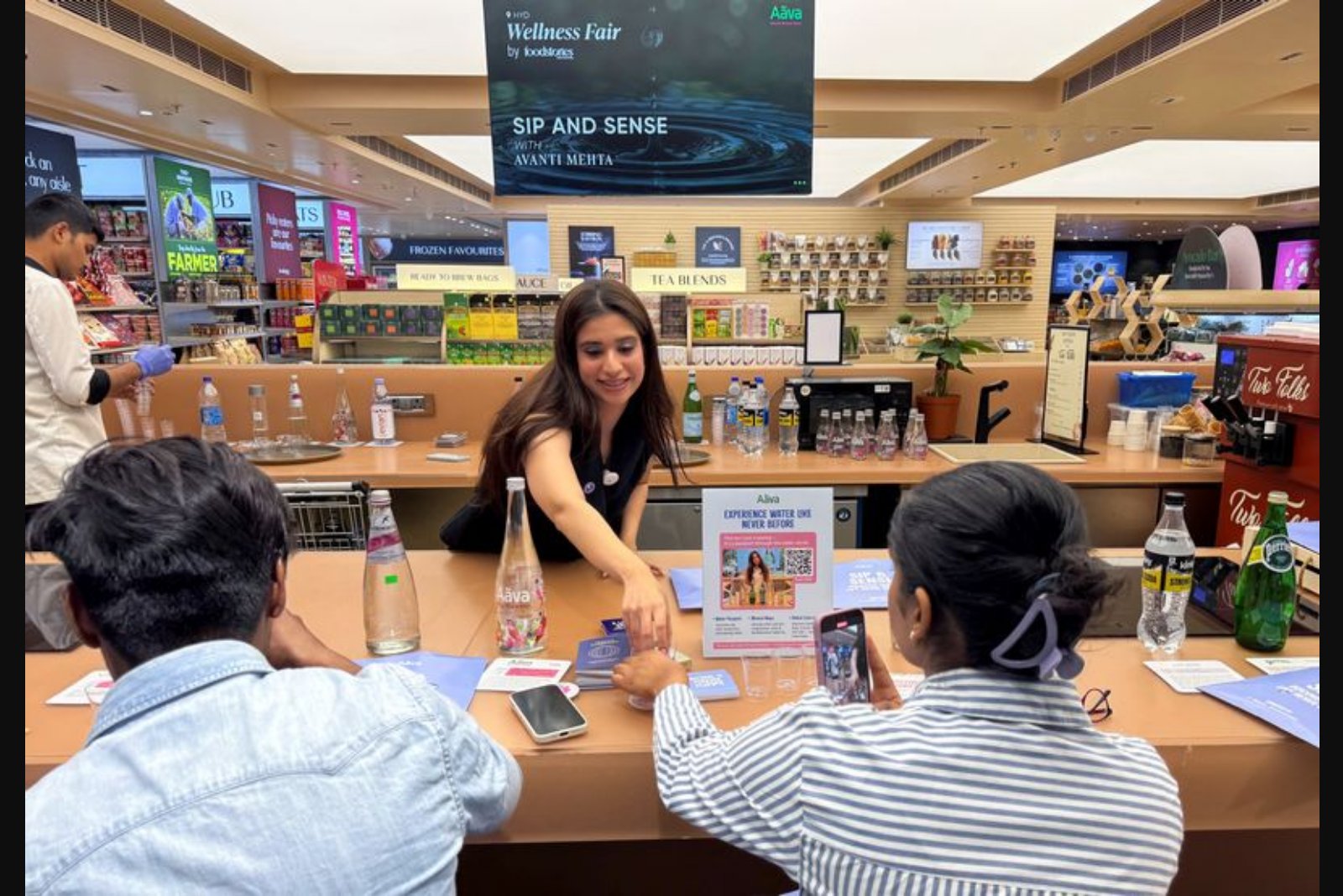
At a specialty food shop in New Delhi, a blind tasting is underway, but the subject is not wine - it is bottled water. Attendees sample tiny quantities in shot glasses to assess minerality, carbonation and salinity in products ranging from Evian and Perrier to San Pellegrino and India’s own Aava. Avanti Mehta, 32, who describes herself as India’s youngest water sommelier and whose family owns the Aava brand, guided the tasting. "They will all taste different ... you should be choosing a water that can give you some sort of nutritional value," she said.
The event underscores a broader shift in India, where premium water has become both a status symbol and part of a wider wellness trend among wealthier consumers. The premium segment in the country is estimated at $400 million, and it is expanding as more affluent buyers opt for higher-priced bottled waters for perceived health and lifestyle reasons.
Price differentials are stark. Premium Indian mineral water retails for about $1 per one-litre bottle, whereas imported premium brands typically start at more than $3 - approximately 15 times the cost of the cheapest basic bottled water available in India. Those lower-cost bottled options, commonly priced at around 20 U.S. cents, are widely sold at convenience stores, restaurants and hotels and are produced largely by major players such as Pepsi, Coca-Cola and the domestic market leader Bisleri.
Clean, safe tap water remains a scarcity for many in the country of 1.4 billion people. Researchers cited in market commentary say 70% of the groundwater is contaminated, and municipal tap water is frequently considered unsafe to drink. A recent incident highlighted those risks when 16 people in Indore city died after consuming contaminated tap water in December. Against that backdrop, many Indians regard bottled water not as a luxury but as a necessity.
The bottled water market in India is nearly $5 billion annually and is projected to grow at about 24% a year, among the fastest expansion rates globally. By contrast, Euromonitor data referenced by industry participants show bottled water demand in the United States and China is driven largely by convenience and that each of those markets is worth more than $30 billion but is forecast to grow only about 4-5% annually.
Within India, the premium segment is emerging as a key growth driver. Euromonitor figures indicate premium water made up 8% of the bottled water market last year, up from just 1% in 2021. "Distrust of municipal water in some areas has escalated the demand for bottled water. Now, people understand how mineral water has more health benefits. It’s expensive, but the category will boom," said Amulya Pandit, a senior consultant at Euromonitor who covers drinks.
Affluent consumers describe tangible effects from switching to premium mineral water. New Delhi-based real estate developer B.S. Batra, 49, said his family uses only premium water at home for its mineral content and to protect health. "You feel different, more energetic during the day," Batra said. "I consume mineral water even with whisky at home, and kids use it for their smoothies." He is also an active badminton player.
Beyond households, premium waters are finding buyers in retail, hospitality and lifestyle segments. Celebrity-backed entries and established conglomerates are moving into the space. Bollywood actor Bhumi Pednekar and her sister launched Backbay, selling 750 ml cartons of mineral water priced at $2.2. Indian conglomerate Tata is broadening its premium water offerings, and retailers report rising sales of high-end bottled waters.
Tata Consumer Products, which also operates bottled water at the low end of the market, has prioritized premium water as it pursues health-focused, affluent customers who appear willing to pay higher prices. CEO Sunil D’Souza told industry interlocutors that he sees a long runway for premium water and that he does not need to "push water uphill." Tata’s premium "Himalayan" mineral water operation is sited in Himachal Pradesh near the Himalayan foothills. At that facility, workers monitor largely automated machinery filling plastic and glass bottles with water sourced from a natural underground aquifer.
Most Indian consumers prefer still water, and sparkling varieties remain a niche. Tata said it plans to introduce a sparkling Himalayan water while also scouting for additional natural springs to support an expansion of its premium portfolio.
Retailers have seen dramatic sales growth for high-end waters. At three Foodstories gourmet outlets, sales of premium waters reportedly tripled in 2025. The chain imported Saratoga Spring Water from New York, a product described as "light and creamy," retailing at 799 rupees - about $9 - for a 335 ml bottle; those shipments sold out within days, according to co-founder Avni Biyani.
Domestic premium brands are also reporting rapid increases. Aava, the Indian mineral water brand associated with the sommelier running the tasting, recorded sales of 805 million rupees - roughly $9 million - last year and has been growing sales at about 40% a year since 2021. Tata said its combined basic and premium water portfolio grew tenfold to $65 million over six years and that it expects that portfolio to grow about 30% annually going forward.
Imported waters face additional costs in the Indian market, including a tax of more than 30% that makes them pricier than local alternatives. Bottles from Nestle and Danone - such as Perrier, San Pellegrino and Evian - retail for over 300 rupees, or about $3.20, for a 750 ml bottle. Danone described imported waters as "tend[ing] to be niche and boutique," while Nestle declined to comment.
For consumers who have installed household purifiers, there is an additional consideration: many purification systems remove most minerals from the water. That dynamic has helped position mineral-rich bottled waters as an alternative that preserves perceived nutritional value. As Mehta put it at the tasting session: "When you open your tap, you’re not getting an Aava, Evian ... And that is what you’re essentially paying for."
Not all participants at the tasting embraced the premium pricing. Among 14 people at the event, some enjoyed the experience, while others balked at the cost. "To be honest, it is kind of expensive," said executive Hoshini Vallabhaneni. "For everyday use - it will burn a hole in the pocket."
Key points
- Premium bottled water in India is a growing $400 million segment, with premium making up 8% of the bottled water market last year versus 1% in 2021, supporting rapid expansion across domestic and imported brands.
- India's broader bottled water market is nearly $5 billion and is projected to grow about 24% annually, driven in part by concerns about municipal water safety and widespread groundwater contamination.
- Major consumer goods firms and new entrants, including celebrity-backed products and conglomerates like Tata, are targeting affluent, health-focused consumers with premium mineral water offerings.
Risks and uncertainties
- Public health and water safety issues - persistent contamination of groundwater and incidents of municipal tap water poisoning - continue to influence consumer behavior and could affect demand patterns in bottled water and home purification markets.
- Price sensitivity - premium bottled water commands significantly higher prices than basic bottled water and may face limits on adoption for routine use, particularly among consumers who view it as too expensive for everyday consumption.
- Tax and import costs - imported waters face taxes of more than 30%, which raises retail prices and may constrain imported brands to niche, boutique segments rather than broader market penetration.
Tags: water, premium, beverages, retail, consumer