
Overview
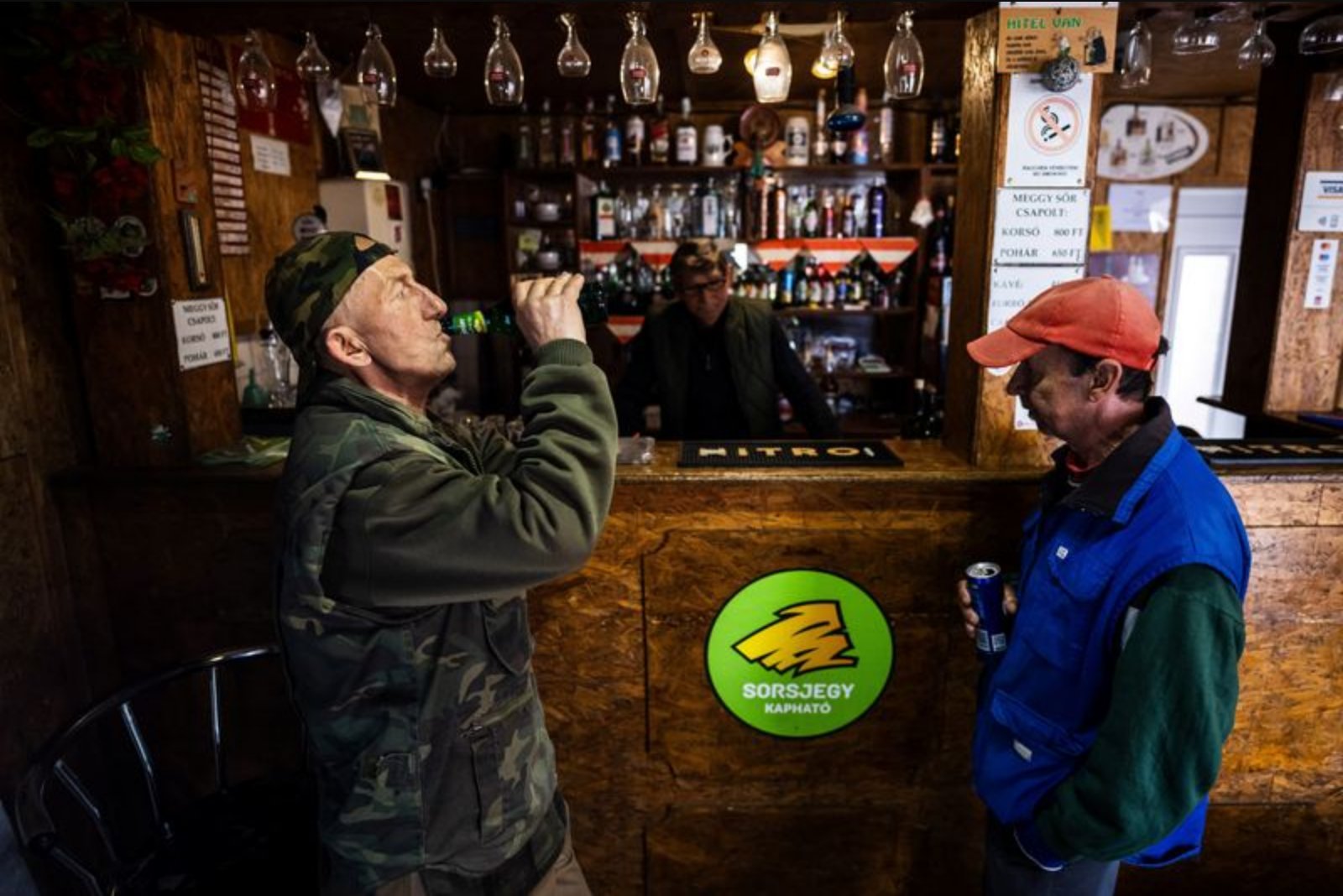
In a small, hilly settlement in northeastern Hungary, a village pub operates as a focal point for political discussion and daily life, reflecting broader national forces at work ahead of a pivotal election on April 12. The establishment's owner, who has managed the business for four decades, says his long-standing support for Fidesz aligns with practical benefits he and his neighbours have received from government-backed local programs.
Local patronage and political alignment
Sandor Toth has run his pub in Malyinka for 43 years. He recalls living through the end of communist rule and four electoral victories in his constituency by the Fidesz lawmaker who represents Viktor Orban's party since 2010. Toth, now 72, says he has consistently cast his vote for Fidesz.
During the past year his pub received a 3 million forint grant from a government initiative dubbed the "pub programme," funds he used to replace windows and install air conditioning. Hundreds of pubs across the country have received similar state grants under the government slogan that they are "the soul of the villages." For Toth, that assistance underpins a continuing preference for Fidesz: "I believe generally here people vote for Fidesz as they help pensioners and also young people," he said, adding that "not all parties" would have provided the same support to his business.
The pub itself functions as a community hub. With 1980s memorabilia on the walls and a 1990s jukebox, Sanyi pub sits beside the village soccer field and holds a licence to sell tobacco. A pint of sour cherry beer costs 800 forints, about $2.38, which Toth notes is less than half the price in Budapest.
Rural Hungary as an electoral battleground
Poorer rural regions have been a stronghold for the nationalist, socially conservative Fidesz party, in part because community projects and local funding often flow through authorities controlled by Fidesz. In many towns and villages, the party and the state are closely intertwined, supplying money and employment. Fidesz allies also dominate substantial portions of Hungary's private media, while public broadcasters largely reflect government messaging. The Orban administration rejects allegations that it is undermining press freedom.
As the veteran prime minister seeks another term, commentators and party strategists identify rural Hungary as central to the outcome. Of the 106 single-member constituencies, 88 are located in the countryside. In the national assembly, 106 of the 199 seats are decided by constituency contests, making results in these districts particularly consequential. Political observers describe this election as Orban's toughest re-election bid in 16 years.
A closer race in a traditional Fidesz district
In the constituency that contains Malyinka and 81 other villages, the Fidesz candidate Zoltan Demeter won the 2022 vote with more than 54% of ballots cast. This cycle, however, the margin appears less secure as opposition forces intensify their efforts in rural areas.
Tisza party steps up rural outreach
The primary challenger is the centre-right Tisza party, formed in 2024 and led by Peter Magyar. Once sympathetic to Orban's approach, Magyar now aims to replace him as prime minister. Opinion polling indicates Tisza holds a national lead, although many voters remain undecided.
Polling by the 21 Research Institute in early March found Tisza with a strong edge over Fidesz among voters younger than 50, while Fidesz maintained a clear lead among those aged over 65. The same poll showed Fidesz at 37% and Tisza at 33% in villages.
Tisza has increased its in-person campaigning across the countryside, pursuing a strategy intended to address longstanding criticisms that opposition parties failed to offer rural communities a tangible alternative. Magyar has been touring towns and villages for two years, promising improvements in employment, roads and healthcare, and in the weeks before the election he has been holding multiple events daily - as many as five to six separate stops nationwide.
Observers note a change in engagement at rural events. A research note from Eurasia Group commented that attendance and attention at public gatherings have picked up compared with previous cycles, suggesting Magyar is making inroads in these constituencies.
Tisza's local campaign in the constituency that includes Malyinka emphasizes door-to-door outreach. Volunteers and the local candidate, Csaba Hatala-Orosz, say visiting households is central to their effort. "This is key, I think this was missing badly from previous campaigns, that we must go to each street," Hatala-Orosz said. He added that Tisza can "promise to support local small- and medium-sized businesses, rebuild roads ... I’ve been doing field work here for almost two years, and I got to know these 82 villages, and I have really put my heart into this." Their platform stresses practical investments in roads, health services and schools.
What the village picture reveals
The scene in Malyinka encapsulates competing dynamics in Hungary's rural electorate: longstanding patronage and tangible local benefits tied to Fidesz; a media environment where private outlets aligned with the ruling party and public broadcasting shape narratives; and an opposition movement pursuing intensive grassroots engagement that appears to have gained momentum among younger cohorts.
For villagers like Toth and their neighbours, these factors come together in everyday places such as the local pub, where the economic effects of grants, the cost of a beer, and conversations about roads, jobs and healthcare inform voting decisions ahead of a nationally consequential election.
End of article