
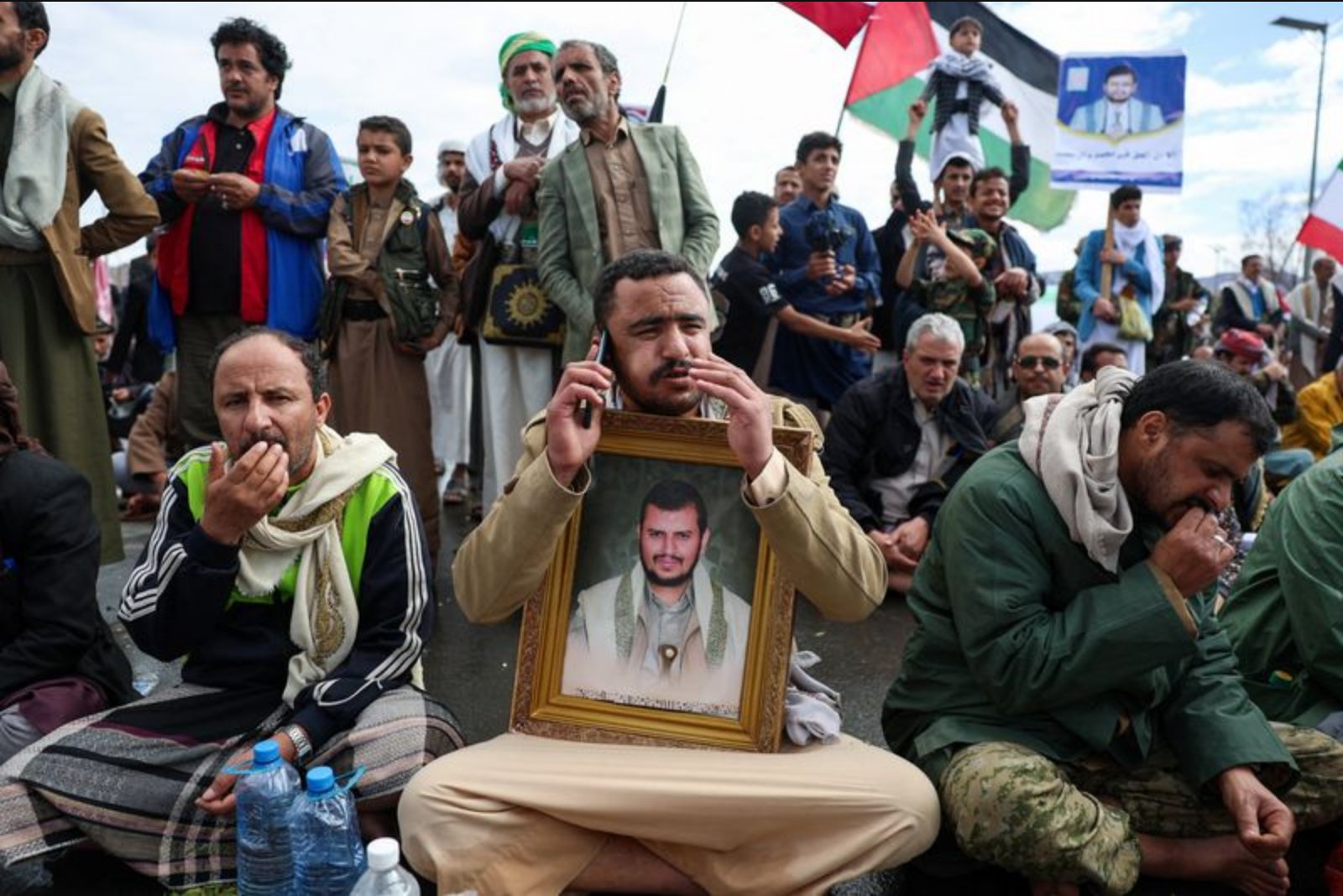
Yemen’s Houthi movement said it is prepared to take direct military action should other nations join the United States and Israel in operations against Iran or if the Red Sea is used to carry out attacks on the Islamic Republic.
In a televised address, the group’s military spokesperson Yahya Saree declared: "We confirm that our fingers are on the trigger for direct military intervention" if new alliances form against Iran and its partners, or if the Red Sea is employed for what he described as "hostile operations" targeting Iran.
Saree added that the Houthis were ready to respond if what he termed the escalation against Iran and the "axis of resistance" continued, but he did not specify what form any Houthi intervention would take.
The statement highlights the risk of a wider regional confrontation. The Houthis possess the capability to strike well beyond Yemeni territory and to interrupt commercial shipping lanes around the Arabian Peninsula, a factor that raises immediate strategic and commercial concerns for maritime traffic in the area.
The spokesperson reiterated a prohibition on the Red Sea being used to launch attacks against Iran or any Muslim country, saying the group would not permit such operations. He also cautioned against any further tightening of what he called "the blockade on Yemen."
Saree urged an immediate end to U.S. and Israeli strikes on Iran and countries allied with Tehran, including the Palestinian territories, Lebanon and Iraq. He also pressed for the implementation of the Gaza ceasefire agreement.
The Houthis have previously engaged in actions tied to the conflict in Gaza. After the October 7, 2023 attack on Israel by the Palestinian militant group Hamas, the movement began targeting international shipping in the Red Sea, framing those strikes as actions in support of Palestinians.
In addition to assaults on commercial vessels, the group launched drones and missiles toward Israel, prompting retaliatory airstrikes by Israel and U.S. attacks on Houthi targets inside Yemen. Those Houthi attacks were halted following a U.S.-brokered ceasefire between Israel and Hamas in October 2025.
Until the recent declaration, the Houthis had not publicly committed to direct entry into the broader regional war, despite their geographic position overlooking the Red Sea and their demonstrated military capabilities. The latest warning therefore represents a notable escalation in rhetoric and raises questions about potential impacts on maritime security and regional stability.
Summary: Yemen’s Iran-aligned Houthis, through military spokesperson Yahya Saree, warned they are prepared for direct military intervention if additional states join the United States and Israel against Iran or if the Red Sea is used to launch hostile operations. Saree demanded an immediate halt to strikes on Iran and allied countries, cited opposition to a tighter blockade on Yemen, and referenced prior Houthi attacks on shipping and strikes toward Israel that paused after a 2025 ceasefire.