
World March 25, 2026

German FM Urges Support for U.S.-Led Push for Iran Negotiations

Johann Wadephul welcomes a temporary pause in pressure and calls for diplomacy as Pakistan and Turkey emerge as possible venues

By Ajmal Hussain
German FM Urges Support for U.S.-Led Push for Iran Negotiations

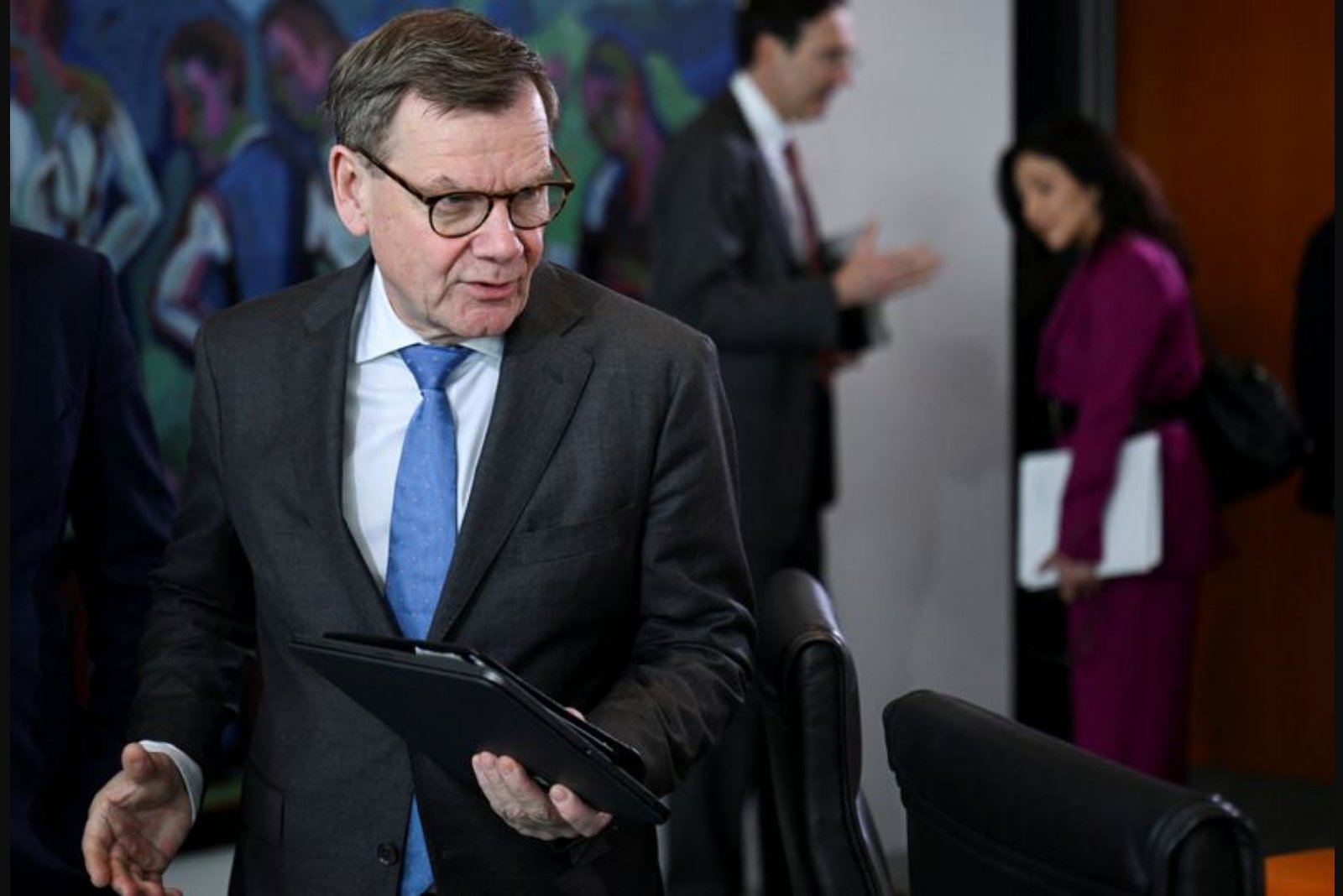
German Foreign Minister Johann Wadephul said he welcomed U.S. President Donald Trump’s move to seek negotiations aimed at ending the war with Iran and urged that any diplomatic opening be given a chance. Wadephul, speaking in Berlin alongside Tunisian counterpart Mohamed Ali Nafti, highlighted a short postponement of an ultimatum and called on Tehran to respond. A senior Iranian official said Pakistan had delivered a U.S. proposal to Iran and indicated Pakistan or Turkey could host talks, though Tehran publicly maintains it is not engaged in negotiations and would not strike a deal with the Trump administration.

Key Points

  • German Foreign Minister Johann Wadephul publicly welcomed U.S. President Donald Trump’s move to seek negotiations to end the war with Iran and urged that diplomatic openings be allowed to proceed.
  • A senior Iranian official said Pakistan has delivered a U.S. proposal to Iran and suggested Pakistan or Turkey could host talks to de-escalate the Gulf conflict - comments made on condition of anonymity.
  • The situation affects geopolitical risk considerations with potential implications for energy and defense sectors, given the focus on de-escalation in the Gulf region.

March 25 - German Foreign Minister Johann Wadephul said on Wednesday that he welcomed U.S. President Donald Trump’s decision to pursue negotiations aimed at ending the war with Iran, and he urged that any diplomatic opening be afforded a genuine opportunity to succeed.

Wadephul, speaking in Berlin alongside his Tunisian counterpart Mohamed Ali Nafti, pointed to what he described as a brief postponement of a deadline imposed on Tehran and framed the U.S. shift toward talks as a constructive development.

"It is commendable that the U.S. President has postponed his ultimatum to the Iranian regime for a few days and is now seeking negotiations," Wadephul said. "Iran’s regime would be well-advised to respond to this now. So, if there is a window of opportunity for diplomacy, we should definitely give talks a chance."

Separately, a senior Iranian official said on Wednesday that Pakistan has delivered a proposal from the U.S. to Iran, and that either Pakistan or Turkey could serve as venues for discussions intended to de-escalate the war in the Gulf. The official spoke on condition of anonymity.

Those remarks were described as among rare indications that Tehran might be prepared to consider diplomatic overtures. At the same time, Iran has publicly insisted that no talks are under way and has maintained it would not make a deal with the Trump administration.

Wadephul also cautioned that outcomes remain uncertain: "We must, of course, wait and see what these talks in Pakistan, in which we are not participating but which are now apparently taking place, will yield, which is certainly welcome," he said.

The German minister's comments underline a preference for allowing diplomatic processes to develop while acknowledging the limited visibility into parallel exchanges involving third-party states. The information available indicates possible back-channel movements but does not confirm direct engagement between Tehran and Washington.


Context note: The statements combine official public remarks and anonymous reporting about third-party mediation efforts. They reflect both a call for diplomacy and the evident uncertainty about whether Iran will respond to the overtures.

Risks

  • Uncertainty over Iran’s response - Tehran has publicly stated no talks are under way and has said it will not make a deal with the Trump administration, leaving the outcome of any proposals unclear; this creates volatility for energy and defense markets.
  • Limited visibility into third-party discussions - reports of proposals delivered via Pakistan and possible talks in Pakistan or Turkey come from anonymous sources, which means the credibility and content of those proposals remain uncertain and could affect market confidence.
  • Potential for stalled negotiations - even with a short postponement of an ultimatum, there is no guarantee that talks will proceed or succeed, maintaining geopolitical risk that could influence commodity prices and regional security-related expenditures.

More from World

Right-leaning Fujimori and Lopez Aliaga Lead Peru Poll as Campaigns Enter Debates Mar 25, 2026 Mexico Reaffirms Backing for Bachelet's UN Bid After Santiago Withdraws Support Mar 25, 2026 Ukraine Prepares to Hold Line as Russian Spring Offensive Targets Donetsk Fortress Belt Mar 25, 2026 Turkey Acting as Messenger Between Tehran and Washington, Ruling Party Official Says Mar 25, 2026 Philippines Seeks U.S. Waivers to Secure Oil From Sanctioned Suppliers Amid Energy Emergency Mar 25, 2026