
Overview
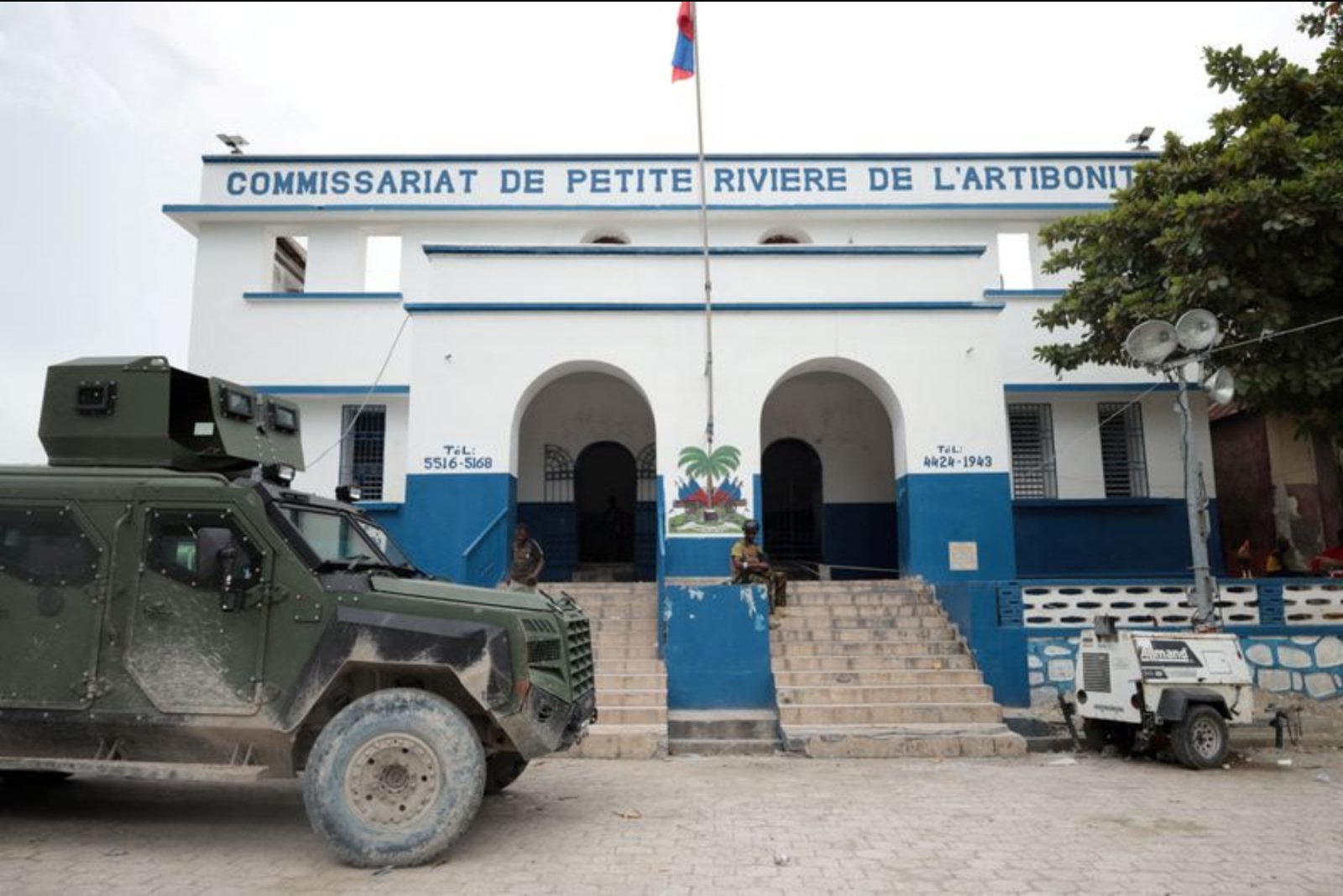
Armed bands carried out additional operations in Haiti’s Artibonite region on Tuesday, continuing a wave of violence that followed a weekend assault in the Jean-Denis area that local human rights groups and residents say resulted in some 70 fatalities. National police reported conducting operations in several parts of Artibonite on Tuesday as the unrest spread to neighboring localities.
Casualties and local accounts
Residents of Jean-Denis counted 70 bodies on Sunday morning after an attack attributed to the Gran Grif gang, according to the National Network for the Defense of Human Rights (RNDDH). That figure matched the estimate provided by the Defense Plus rights group and was substantially higher than official tallies, which placed the death toll at approximately 16.
The RNDDH reported that roughly 30 additional people were wounded. It said victims included infants, pregnant women, teenagers and an 80-year-old man. The RNDDH’s findings followed interviews it conducted with local authorities, police and residents.
Movements and new fronts
Following the assault, armed men withdrew from Jean-Denis on Monday, RNDDH said, but by Tuesday they had repositioned in nearby Pont Benoit and were attempting to mount a fresh offensive on Marchand Dessalines, a town about 19 km (12 miles) to the north. Social media videos reportedly showed armed men linked to the Kokorat San Ras gang - an ally of Gran Grif - distributing cash to residents in Marchand Dessalines.
Gran Grif has been designated a terrorist organization by the United States and the neighboring Dominican Republic.
Local defenses and law enforcement response
Residents told Reuters that local self-defense brigades lacked the firepower to repel the gangs. They said the attackers often paused their operations during daytime hours when police units were present, then resumed shootings and set fire to buildings at night.
The RNDDH said the Gran Grif offensive on Jean-Denis followed weeks of threats. It added that residents had not fled because they believed the self-defense brigade would be able to protect them. The brigade withdrew when it was unable to withstand the assault, the rights group said.
Police activity around the scene was described as limited. RNDDH noted that armored vehicles that reached Jean-Denis remained only a few hours before withdrawing and then returned on Monday.
Operational constraints and international force details
Local authorities told RNDDH that most of their armored vehicles were out of service, some because of battery problems that required mechanics from Port-au-Prince. The rights group also said units belonging to a U.N.-backed security force had to await authorization from the capital before deploying.
On Tuesday, Prime Minister Alix Didier Fils-Aime met with a U.N. delegation to discuss the arrival of an expanded international mission. The security force remains only partially deployed and has faced shortages in equipment, troop numbers and funding, according to the discussions reported by officials.
Implications for the region
The flow of violence into Artibonite - a region often described as a key agricultural area - and the reported civilian toll have underscored gaps in local security provision. With self-defense brigades and some police units unable to stop the attacks, residents and rights monitors reported significant harm to civilians and to community stability in affected towns.
Sources and methodology
The reporting in this article is based on statements from local residents, interviews conducted by the RNDDH with local authorities and police, social media video material cited by witnesses, and official police statements regarding operations in Artibonite.