
VAUX-DE-CERNAY, France, March 26 - Foreign ministers from the G7 and the European Union gather this week at the restored 12th-century Abbaye des Vaux-de-Cernay, roughly 40 km southwest of Paris, against a backdrop of simultaneous wars in Iran and Ukraine, economic uncertainty, and growing concern about sudden shifts in U.S. foreign policy.
The two-day meeting brings together ministers from Britain, Canada, France, Germany, Italy, Japan and the United States, alongside EU representatives. The grouping - which first assembled as six countries in nearby Rambouillet 50 years ago - historically approached shared economic and geopolitical problems with broad consensus. That cohesion, officials say, has eroded since Donald Trump returned to the U.S. presidency in 2025.
European diplomats and officials attending this session describe the past year as a period spent responding to abrupt changes in U.S. policy - from tariff measures to stances on Ukraine - most recently complicated by the conflict in the Middle East, which they say currently appears to lack clear objectives or an identified exit strategy.
French military leadership has publicly voiced frustration about Washington's unpredictability and its implications for allied interests and security, and some analysts have said the U.S. stance is unsettling not only for G7 members but for other major global actors.
"The U.S. attitude is an element of destabilisation of the international system for all players, not only for members of the G7, but also for China, (and) for many, many countries in the world," said Thomas Gomart, director of the Paris-based French Institute of International Relations.
Delegates have largely dispensed with the long-standing practice of negotiating a comprehensive final communiqué in order to avoid public clashes over sensitive points.
A top agenda item for allied delegations will be a debrief by U.S. Secretary of State Marco Rubio, who is scheduled to join the talks on the second day, Friday. Delegations expect Rubio to outline U.S. and Israeli military activity against Iran and to explain whether diplomatic avenues remain viable to bring the conflict to an end.
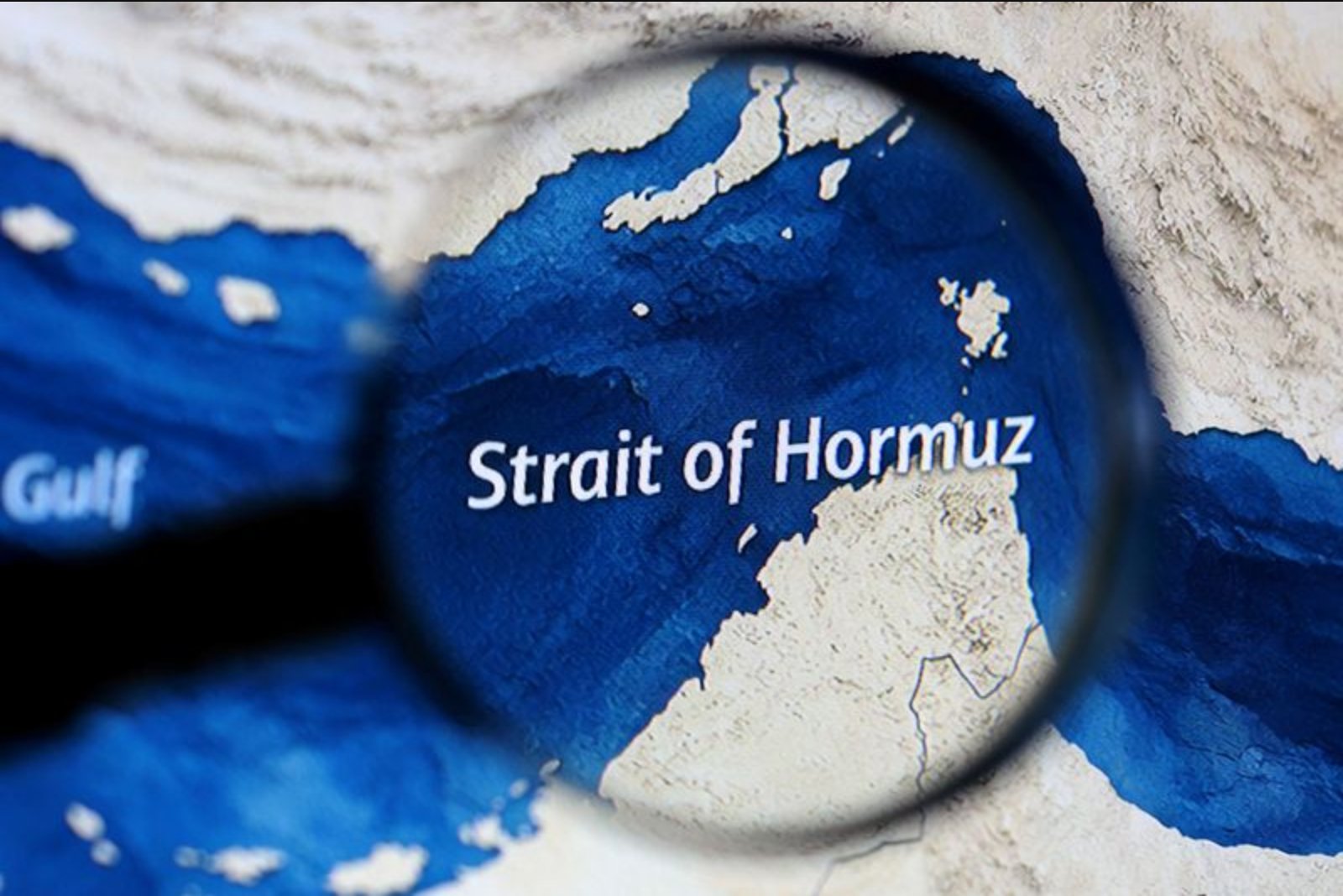
Ministers will also focus on the Strait of Hormuz, a chokepoint that the article's participants say Iran has effectively closed, disrupting approximately one-fifth of global oil supplies. Representatives from Brazil, India, South Korea and Saudi Arabia - economies whose positions are important for global security, energy and diplomacy - are also due to attend.
On Ukraine, officials report that negotiations to end Russia's war have stalled. There is concern among European officials that the United States - which has taken a leading role in mediation efforts and pursued steps toward rapprochement with Moscow - could press Kyiv toward a peace settlement that would be disadvantageous to Ukraine ahead of U.S. midterm elections in November.
European governments plan to press Rubio on this point, arguing that any settlement that leaves Kyiv in a weaker position would be unacceptable. Instead, they aim to push for strengthened sanctions on Russia and immediate measures to ready Ukraine for another winter of fighting. That preparation, officials say, should prioritize protection of Ukraine's energy infrastructure, which has been repeatedly targeted by Russian attacks, and continuation of military assistance.
"We will reiterate firm support for Kyiv and for U.S. mediation efforts, stressing the need to maintain strong pressure on Moscow through sanctions," an Italian diplomatic source said.
Ukraine's foreign minister is expected to attend the talks.
Beyond security issues, the meeting serves French priorities ahead of its G7 leaders' summit in the Alps next June. Paris has placed emphasis on tackling global imbalances and addressing what it regards as a crisis of multilateralism, and has sought to involve China more closely in discussions tied to those themes. Officials say one tangible area for possible agreement under the French presidency is the establishment of a G7 task force focused on stemming drug smuggling.
Contextual details within the meeting reflect concerns that span diplomacy, energy markets and security planning. Ministers and officials are balancing immediate crisis management - seeking answers from Washington on its Middle East posture and pushing to maintain pressure on Moscow - with longer-term goals on multilateral cooperation and supply chain and market stability.