
In a recent parliamentary session, the French government successfully prevented a second vote of no-confidence after advancing the income part of the 2026 budget without securing a final vote from the National Assembly. This move sparked immediate political backlash, resulting in a no-confidence motion initiated by the far-right National Rally (RN) party.
The motion gathered 142 votes in favor, considerably below the 288 votes necessary to pass, thus allowing the government to maintain its standing. This follows a similar earlier attempt by the hard-left factions that also failed to challenge the government's position on the budget.
Looking ahead, Prime Minister Sebastien Lecornu is expected to invoke article 49.3 of the French Constitution to unilaterally push through the expenditure part of the budget. This constitutional procedure bypasses the need for parliamentary approval but is likely to provoke further no-confidence proposals in the days that follow.
The government's maneuver to fast-track budget components without comprehensive parliamentary endorsement has stirred debates about legislative process adherence and executive power's limits. The coming weeks are poised to test the stability of the administration amid persistent opposition efforts.
The unfolding budgetary dispute holds considerable significance for sectors reliant on governmental fiscal policies, public spending allocations, and economic planning. Market watchers and analysts continue to monitor ensuing developments closely due to their implications on fiscal stability and governance integrity.
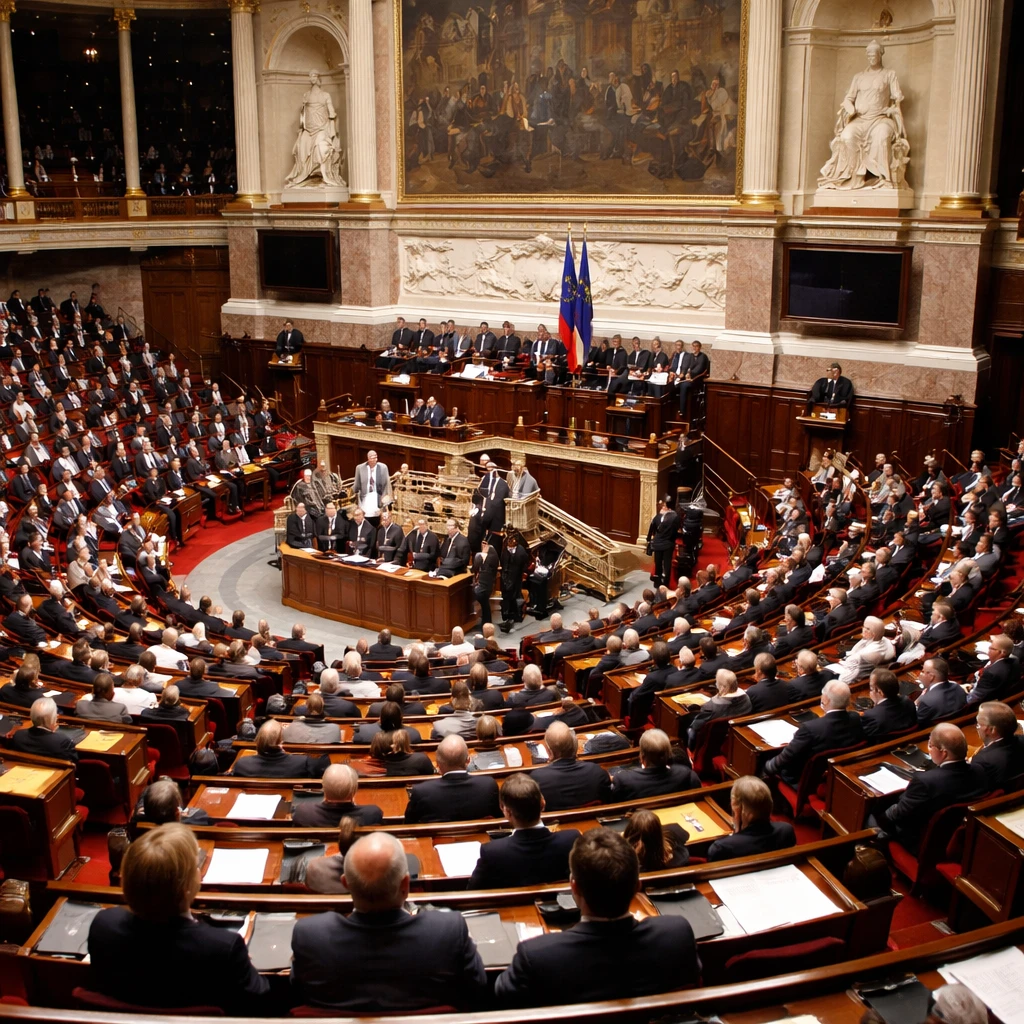
The French government has withstood a second no-confidence motion in the National Assembly following its contentious approval of the income segment of the 2026 budget without a proper parliamentary vote. The motion, driven by the far-right National Rally party, failed to reach the threshold needed to dislodge the administration, despite significant opposition support. Further political tensions are anticipated as Prime Minister Sebastien Lecornu plans to apply constitutional measures to advance the expenditure portion of the budget, potentially sparking additional no-confidence actions.
Key Points
- The French government circumvented the National Assembly's final vote on the income segment of the 2026 budget, prompting parliamentary backlash.
- A motion of no-confidence from the far-right National Rally party gained 142 votes but failed to reach the 288 needed to unseat the government.
- Prime Minister Sebastien Lecornu plans to invoke article 49.3 of the Constitution to enforce the expenditure portion of the budget, potentially leading to more no-confidence motions.
- The political standoff highlights tensions surrounding legislative oversight and executive authority in budget management.
Risks
- Continued political instability due to repeated no-confidence votes could hinder smooth governmental operations and fiscal policymaking.
- The use of constitutional override mechanisms may exacerbate opposition resistance, impacting legislative cooperation and public trust.
- Uncertainty around the final budget approval process may affect sectors dependent on government spending, potentially delaying economic initiatives and investments.