
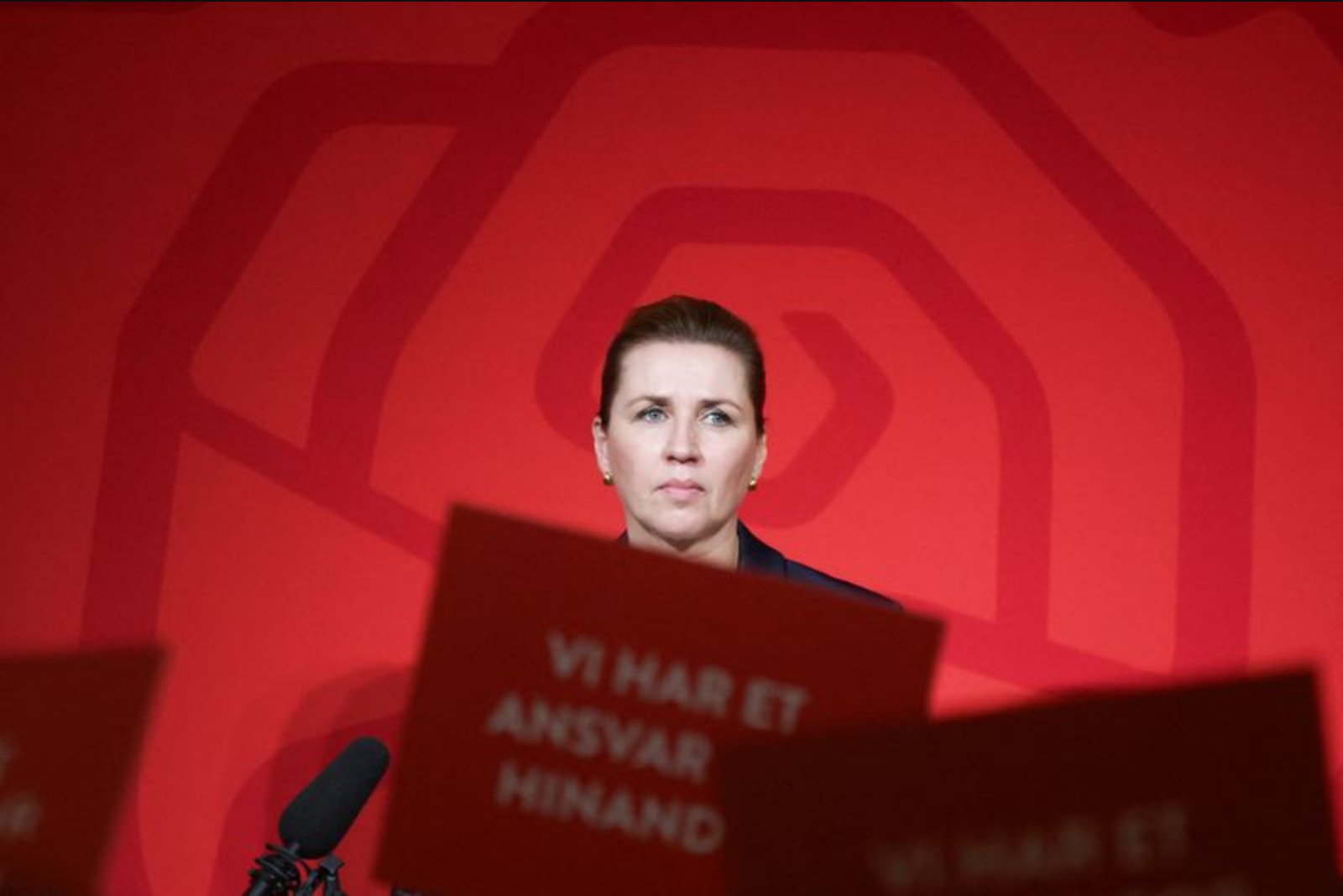
COPENHAGEN, March 27 - Denmark's prime minister, Mette Frederiksen, has initiated negotiations to put together a new coalition government after her centrist-right alliance suffered a decisive defeat in Tuesday's election. The outcome made it clear the previous bipartisan coalition with the centrist Moderates and the right-wing Liberals could no longer govern, and Frederiksen submitted her resignation to the king on Wednesday.
Her Social Democrats, which remain the largest party in the 179-seat Folketing, saw their representation fall to 38 seats from 50 - their worst showing since 1903. Despite this decline, Frederiksen's left-leaning bloc holds 84 seats, marginally ahead of the right-leaning bloc's 77 seats, leaving both sides short of the 90-seat threshold required to form a majority government.
Frederiksen already counts the Social Liberals and the Left Greens among those urging that she continue as prime minister. However, her party will need to win the backing of additional groups if it hopes to secure a stable governing majority capable of passing legislation.
Observers pointed to voter dissatisfaction over the cost of living and a growing weariness with Frederiksen after seven years in office as key drivers of the result. At the same time, many credited her with confronting U.S. President Donald Trump over his threats to annex Greenland.
The fragmented composition of the new Folketing - featuring 12 parties - will complicate the talks, analysts say. "The parties are quite divided on the substance, which also means that, after an election campaign, they may have to back down a bit on some promises," said Andreas Thyrring, a partner at Ulveman & Borsting, a public affairs advisory firm.
Negotiations are expected to be shaped by sharp differences on policy, with tax measures and agricultural rules likely to be pivotal. Frederiksen has proposed a wealth tax targeting the country's richest residents, a policy opposed by centre-right parties. Her plan to limit the use of pesticides has also drawn ire from the farming sector.
If Frederiksen cannot assemble a workable coalition, the king would then assign another party leader the task of exploring possible government formations. For now, Frederiksen and the Social Democrats are attempting to bridge divergent priorities among smaller parties to remain in power.
Summary of current position
- The Social Democrats remain the largest party with 38 seats, down from 50.
- The left-leaning bloc holds 84 seats versus 77 for the right-leaning bloc; 90 seats are required for a majority.
- Key negotiation issues include a proposed wealth tax and restrictions on pesticide use.