
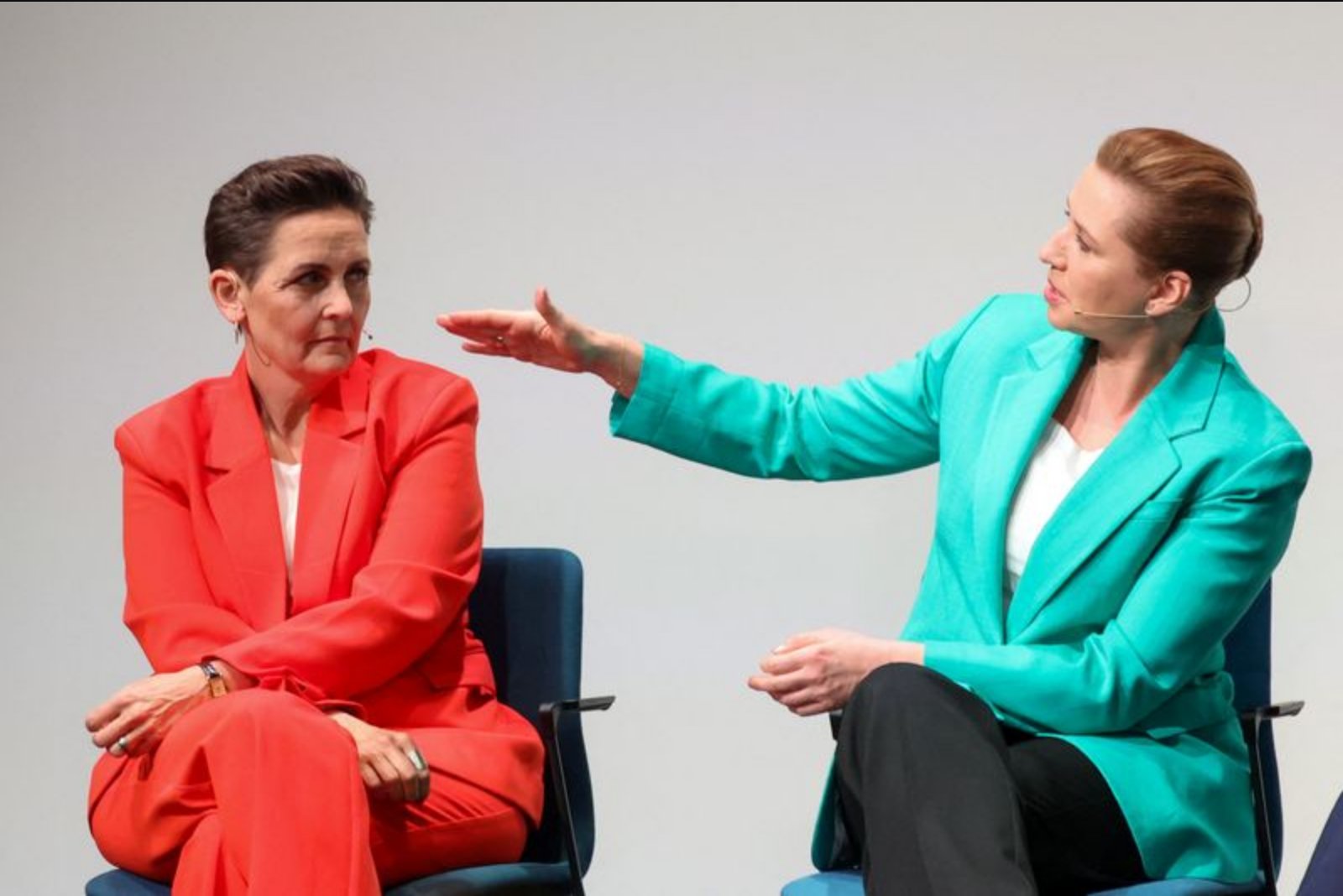
Denmark’s monarch, King Frederik X, has formally requested Prime Minister Mette Frederiksen and her Social Democrats to open talks with two left-leaning parties to determine whether a new government can be formed, triggering what could be weeks of negotiations to secure a working parliamentary majority.
Frederiksen had already submitted the resignation of her centrist coalition government following a significant defeat at the ballot box, but the resignation did not preclude her from being the one tapped to pursue the next governing arrangement. Her party suffered its poorest showing since 1903, sliding from 50 seats to 38 in the 179-seat Folketing, yet it remains the single largest party.
Analysts framed the vote as a broader expression of voter dissatisfaction with the outgoing government’s unfulfilled economic promises and a fatigue with Frederiksen’s leadership after seven years. Domestic priorities - notably environmental concerns, the rising cost of living and issues tied to welfare - loomed larger in voters’ minds than the prime minister’s internationally visible stance opposing U.S. President Donald Trump’s repeated interest in Greenland, observers said.
Political scientist Rune Stubager of Aarhus University described the scale of the loss in stark terms: "This loss was larger than you could explain just by the cost of ruling." He pointed to polarising policy choices taken by the government as key drivers of voter discontent.
Among the contested decisions cited by critics were the controversial elimination of a public holiday, tax reductions targeted at high earners, and a late-stage proposal to introduce a wealth tax that failed to gain traction with electors. Stubager also noted that the anti-immigration Danish People’s Party capitalised on inflation and living-cost worries by campaigning to cut fuel taxes and staging events that offered discounted petrol to motorists.
King Frederik X has specifically asked Frederiksen to examine forming a coalition comprising her Social Democrats, the Green Left - which won 20 seats - and the Social Liberal Party, which secured 10 seats. Even if these three parties align, they would fall short of the 90 seats required for a majority, meaning Frederiksen would likely need additional backing from the centrist Moderates or from parties on the right to ensure passage of her legislative agenda.
If Frederiksen cannot assemble a viable coalition, the constitutional process would require the king to invite another political figure to explore government formation options.
The election illustrated a drift away from centrist parties across the electorate. Right-wing nationalist parties increased their combined share of the vote to 17.0%, up from 14.4% in 2022, while the Green Left made gains in both vote share and parliamentary representation. Overall, Frederiksen’s broader left-wing bloc finished with 84 seats, compared with 77 for the right-leaning bloc, leaving both sides short of the threshold needed to govern alone. The Moderates, led by Foreign Minister Lars Løkke Rasmussen, emerged with 14 seats and stand in a potential kingmaker role.
Political analyst Noa Redington highlighted the paradox at the heart of the result: although Frederiksen’s party endured the election’s steepest losses, she is broadly viewed as the most likely candidate to resume the premiership. "That is the paradox of the election, that the huge loser, Mette Frederiksen, the prime minister, she is the favourite to become the next prime minister as well," Redington said.
Frederiksen herself acknowledged the fragmented result in a parliamentary debate, noting that the outcome ruled out the formation of a conventional left- or right-wing government. "So what is left is that we need to cooperate. That is the message here," she said, emphasizing the need for cross-party negotiation.
Since 2022, Frederiksen led an unusual grand coalition encompassing the Social Democrats, the centre-right Liberal Party and the Moderates. Following the election, the Liberal Party leader and Defence Minister Troels Lund Poulsen has indicated that his party is no longer interested in governing in coalition with Frederiksen, narrowing her options for reconstructing a broadly based government.
Summary of the political arithmetic
- Social Democrats: 38 seats (down from 50), 21.9% support.
- Green Left: 20 seats.
- Social Liberal Party: 10 seats.
- Moderates: 14 seats, possible kingmaker.
- Left-wing bloc total: 84 seats. Right-leaning bloc total: 77 seats. Majority threshold: 90 seats.
The coming days and weeks will focus on whether Frederiksen can navigate these numbers to secure a working parliamentary majority and which parties will be willing to compromise on policy priorities tied to the economy, welfare, environmental regulation and taxation.