
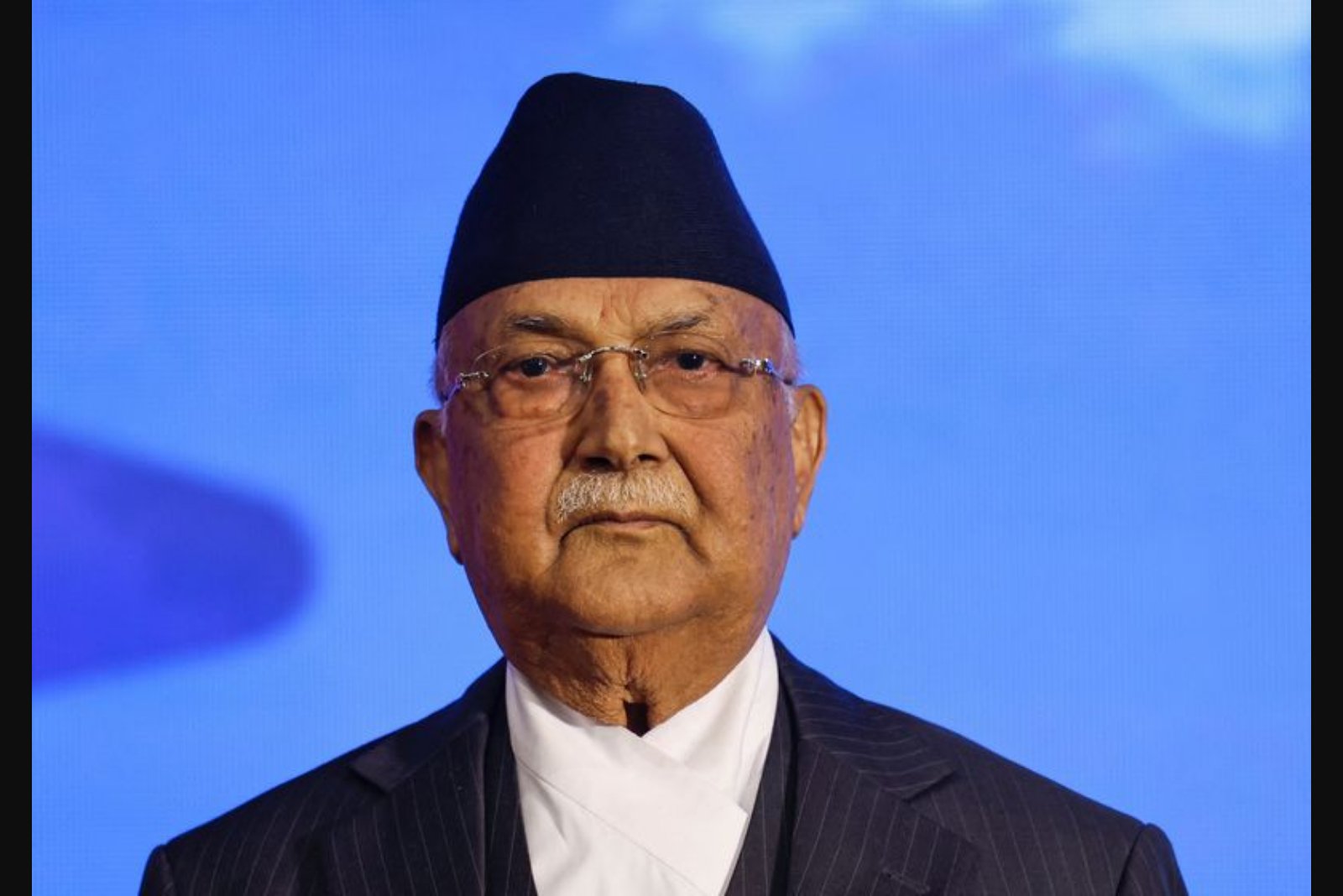
Nepal's former prime minister, K.P. Sharma Oli, was detained by police on Saturday as investigators examine whether he was negligent in failing to stop a violent response to nationwide Gen Z protests last September. Authorities are acting on recommendations from a Nepali investigative panel that looked into the disturbances.
The panel, which reviewed the anti-corruption demonstrations and the state's handling of them, recommended this week that Oli, 74, be prosecuted for not preventing the crackdown on protesters. The unrest spanned two days and resulted in 76 fatalities, according to the panel's findings. Those events ultimately led to Oli stepping down from the premiership.
Min Bahadur Shahi, identified as a senior leader of Oli's Communist Party of Nepal (Unified Marxist Leninist), told Reuters: "They took him from his residence this morning." Police confirmed that the former prime minister was taken into custody.
Police spokesman Om Adhikari also confirmed that Oli's home minister, Ramesh Lekhak, has been detained as part of the same investigation. Officials provided no further details about the conditions of the detainments or the next steps in the legal process.
The detainments come as Nepal has recently moved forward with a new government. Rapper-turned politician Balendra Shah was sworn in as prime minister on Friday after winning the parliamentary elections held on March 5. The transition at the top of government occurred while the inquiry and recommendations regarding the September unrest were being processed.
The situation remains under active investigation. The panel's recommendation to prosecute, the confirmed detainments of a former prime minister and his home minister, and the recent change in national leadership are all factual elements that define the current political and legal landscape in Kathmandu.
Contextual note: Reporting has indicated the panel recommended prosecution and police have acted to detain the named officials. Further legal proceedings or outcomes are not addressed here and remain subject to formal processes.