
On Jan. 31 a federal judge directed that Adrian Conejo Arias and his five-year-old son, Liam Conejo Ramos, be released after immigration officers detained them during an enforcement action in a Minneapolis suburb.
The child, described as Ecuadorean, was photographed outside his residence wearing a blue bunny hat while federal agents stood nearby. That image circulated widely online. According to the Columbia Heights Public School District, Liam was one of four students detained earlier in the month.
In a three-page order, U.S. District Judge Fred Biery sharply criticized what he described as an enforcement approach driven by daily deportation quotas. "The case has its genesis in the ill-conceived and incompetently-implemented government pursuit of daily deportation quotas, apparently even if it requires traumatizing children," he wrote.
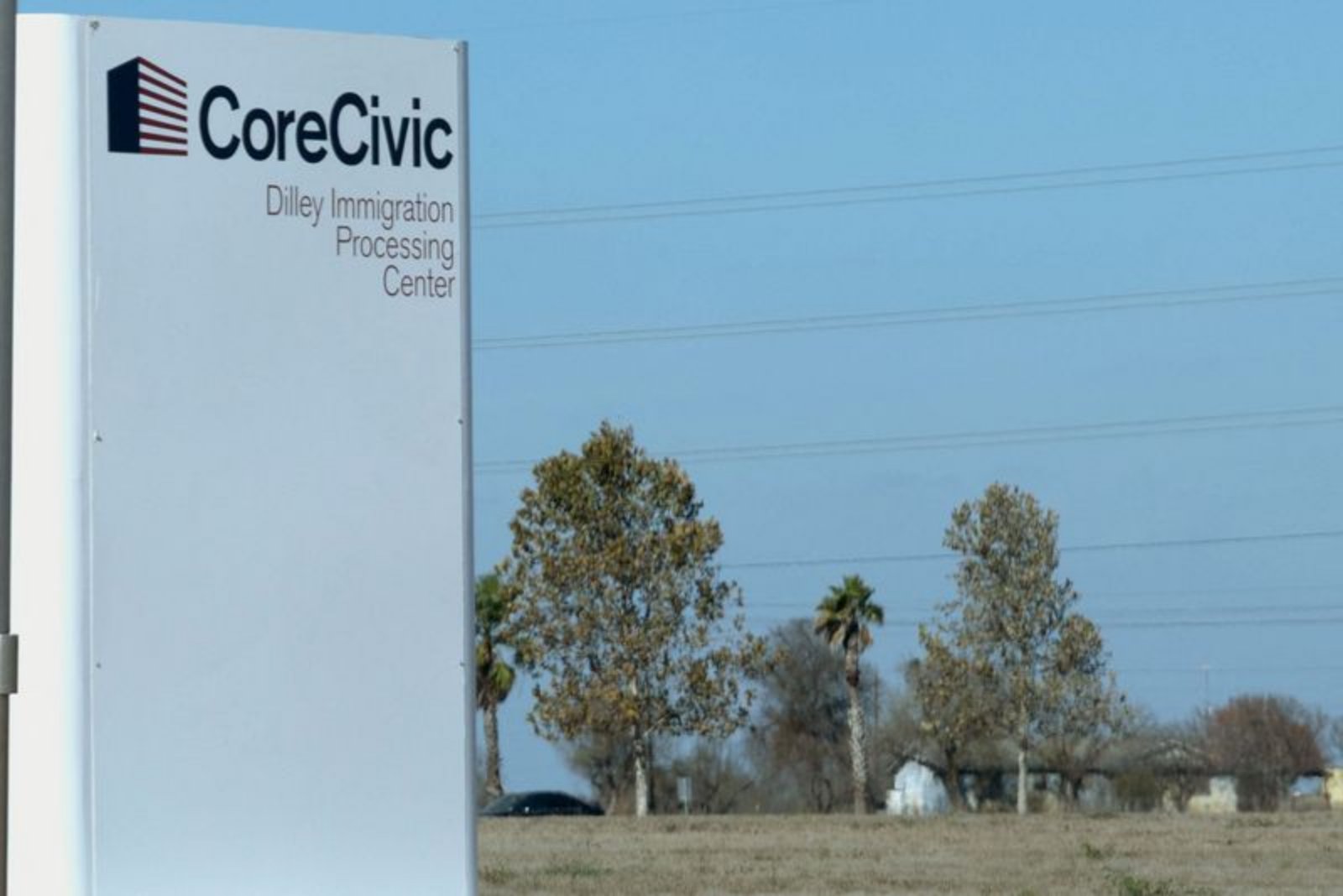
The judge noted that the father and son had entered the United States legally as asylum applicants and that they were transferred to a family detention facility in Dilley, Texas, the pair's attorney, Marc Prokosch, had previously said. Prokosch and the Department of Homeland Security did not immediately return requests for comment.
Judge Biery, who was appointed by then-President Bill Clinton, invoked constitutional concerns in his ruling. He cited the requirement that an arrest warrant be supported by a judge's finding of probable cause and criticized the use of so-called "administrative warrants" issued by immigration officials, calling that practice "the fox guarding the henhouse."
In the same opinion the judge drew sharp comparisons between the administration's tactics and language from the U.S. Declaration of Independence, referencing actions described there including sending "Swarms of Officers to harass our People," exciting "domestic Insurrection among us" and "quartering large Bodies of Armed Troops among us." He characterized some actors involved as driven by a "perfidious lust for unbridled power" and said their behavior was "bereft of human decency," adding, "And the rule of law be damned."
School officials said the enforcement action involved other young people as well. Columbia Heights district Superintendent Zena Stenvik said that armed and masked officers detained two 17-year-olds and a 10-year-old in addition to Liam.
The judge's order emphasized that while petitioners may ultimately return to their home country, whether involuntarily or by self-deportation, such outcomes should proceed through "a more orderly and humane policy than currently in place." The ruling framed the court's intervention as a response to what the judge described as an immigration system with arcane procedures that can produce harsh results for families.
Context and next steps
The order requires the release of the father and son from federal custody. The court document focused on procedural and constitutional issues tied to enforcement mechanics rather than predicting ultimate immigration outcomes for the family. The limited public record available shows that the detained family were processed as asylum applicants and moved to a federal family detention facility prior to the judge's ruling.