
World January 27, 2026

Federal Judge Orders ICE Acting Director to Explain Agency's Noncompliance in Court

Chief Judge Patrick Schiltz threatens contempt proceedings after missed deadline to grant a detainee a bond hearing

By Avery Klein
Federal Judge Orders ICE Acting Director to Explain Agency's Noncompliance in Court

A federal judge in Minnesota has directed the acting head of U.S. Immigration and Customs Enforcement to appear in court to explain why the agency failed to follow multiple recent court orders, including missing a deadline to provide a detainee with a bond hearing. The judge said the court’s patience has run out and signaled contempt proceedings unless the agency remedies the violations.

Key Points

  • A federal judge in Minnesota ordered acting ICE director Todd Lyons to appear in court on Friday to explain the agency's noncompliance with recent court orders, including a missed deadline for a detainee's bond hearing.
  • Chief Judge Patrick Schiltz said the court has been patient but warned that patience is exhausted after ICE deployed agents without sufficient provisions for anticipated lawsuits and habeas petitions.
  • The order arrives amid protests over ICE enforcement tactics and follows separate incidents this month in Minneapolis in which ICE agents shot and killed two U.S. citizens, Renee Good and Alex Pretti - developments that have heightened legal and public scrutiny of the agency.

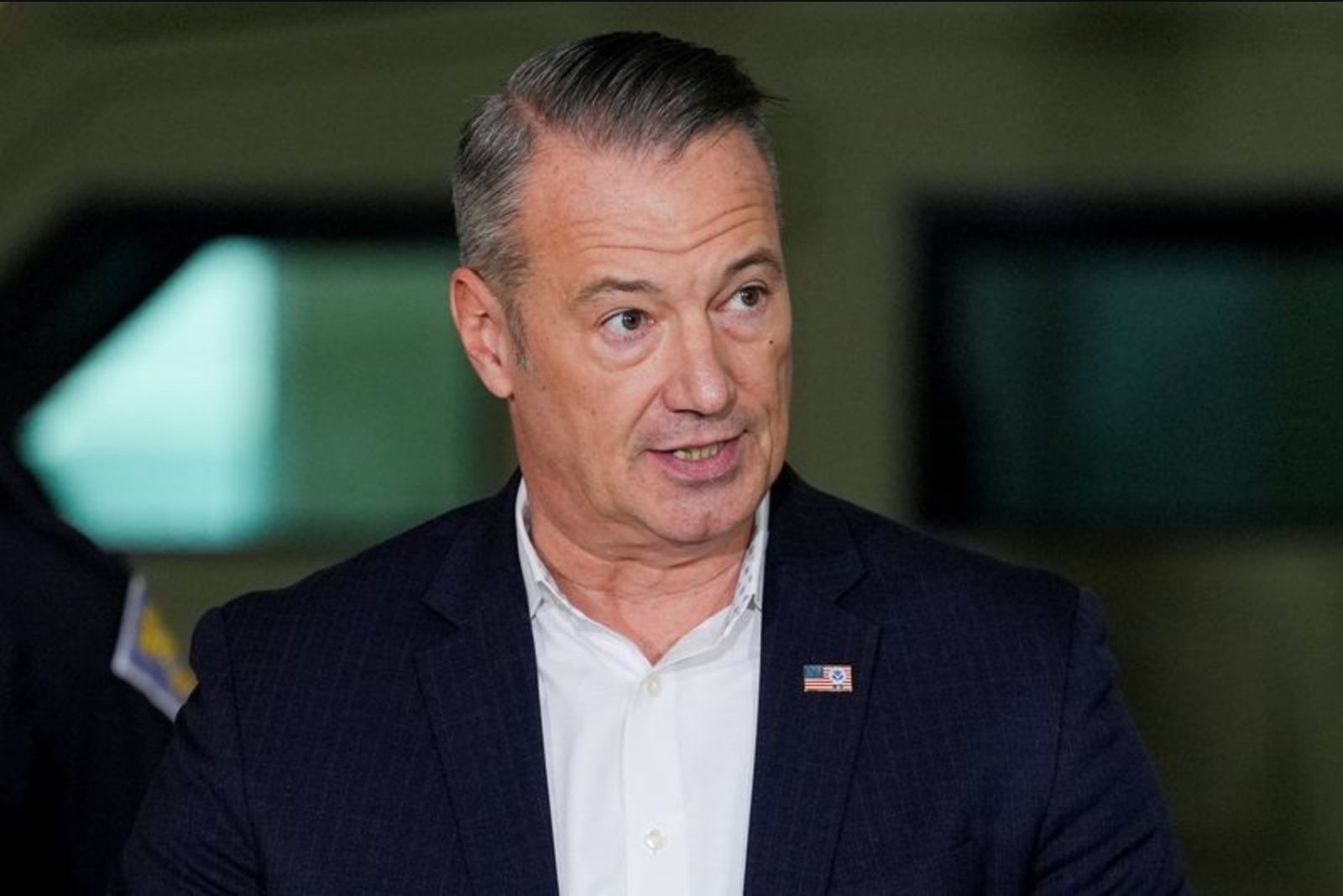
Jan 27 - The chief judge of the federal court in Minnesota has ordered the acting director of U.S. Immigration and Customs Enforcement to appear in person on Friday to address the agency’s failure to comply with a series of court orders issued in recent weeks. The order, filed late Monday, directs acting ICE director Todd Lyons to explain why he should not be held in contempt of court after the agency missed a deadline to provide a detainee with a bond hearing.

In his filing, Chief Judge Patrick Schiltz criticized the agency’s preparations for enforcement operations in Minnesota, noting that the courts anticipated litigation would follow. "This court has been extremely patient with respondents, even though respondents decided to send thousands of agents to Minnesota to detain aliens without making any provision for dealing with the hundreds of habeas petitions and other lawsuits that were sure to result," Schiltz wrote. "The court’s patience is at an end."

The Department of Homeland Security, which oversees ICE, was not immediately available for comment on Tuesday. Schiltz said the scheduled Friday appearance by the acting director will be canceled if the detainee in question is released before then.

Schiltz, who presides in Minneapolis, was appointed to the federal bench by Republican President George W. Bush. His recent order comes amid public protests criticizing ICE tactics used in enforcement actions that accompany the current administration’s immigration policies.

Authorities have reported that ICE agents shot and killed two U.S. citizens in separate enforcement actions in Minneapolis earlier this month. The individuals named in reports are Renee Good and Alex Pretti. The judge’s directive, and the prospect of contempt proceedings, follows the broader wave of litigation and public concern tied to recent enforcement activities in the state.


Context and next steps:

  • The court has scheduled a Friday hearing for the acting ICE director to appear in person unless the detainee is released beforehand.
  • The filing specifically ties the potential contempt finding to missed court-ordered deadlines, including the failure to provide a bond hearing.
  • No immediate response from the Department of Homeland Security was available on Tuesday.

Risks

  • Potential contempt proceedings against the acting ICE director could lead to heightened legal conflict between the federal judiciary and an executive-branch enforcement agency - impacting legal and governmental sectors.
  • Ongoing litigation and public protests tied to enforcement actions may increase operational scrutiny of ICE and the Department of Homeland Security, with possible implications for agency operations and policy execution.
  • The unresolved status of detained individuals and missed courtroom deadlines introduces continued legal uncertainty for detainees and the courts, affecting humanitarian and legal service sectors.

More from World

Who Can Compete in Women’s Events at Milano-Cortina? The Olympics and the Patchwork of Transgender Eligibility Rules Feb 2, 2026 U.S. Olympic hospitality site renamed 'Winter House' after protests over ICE shootings Feb 2, 2026 Greenland’s premier says U.S. still aims for control despite ruling out military action Feb 2, 2026 Kremlin says Russia has long offered to process or store Iran’s enriched uranium Feb 2, 2026 Long-Awaited Rafah Reopening Prompts Hope and Anxiety Among Palestinians Stranded Across Border Feb 2, 2026