
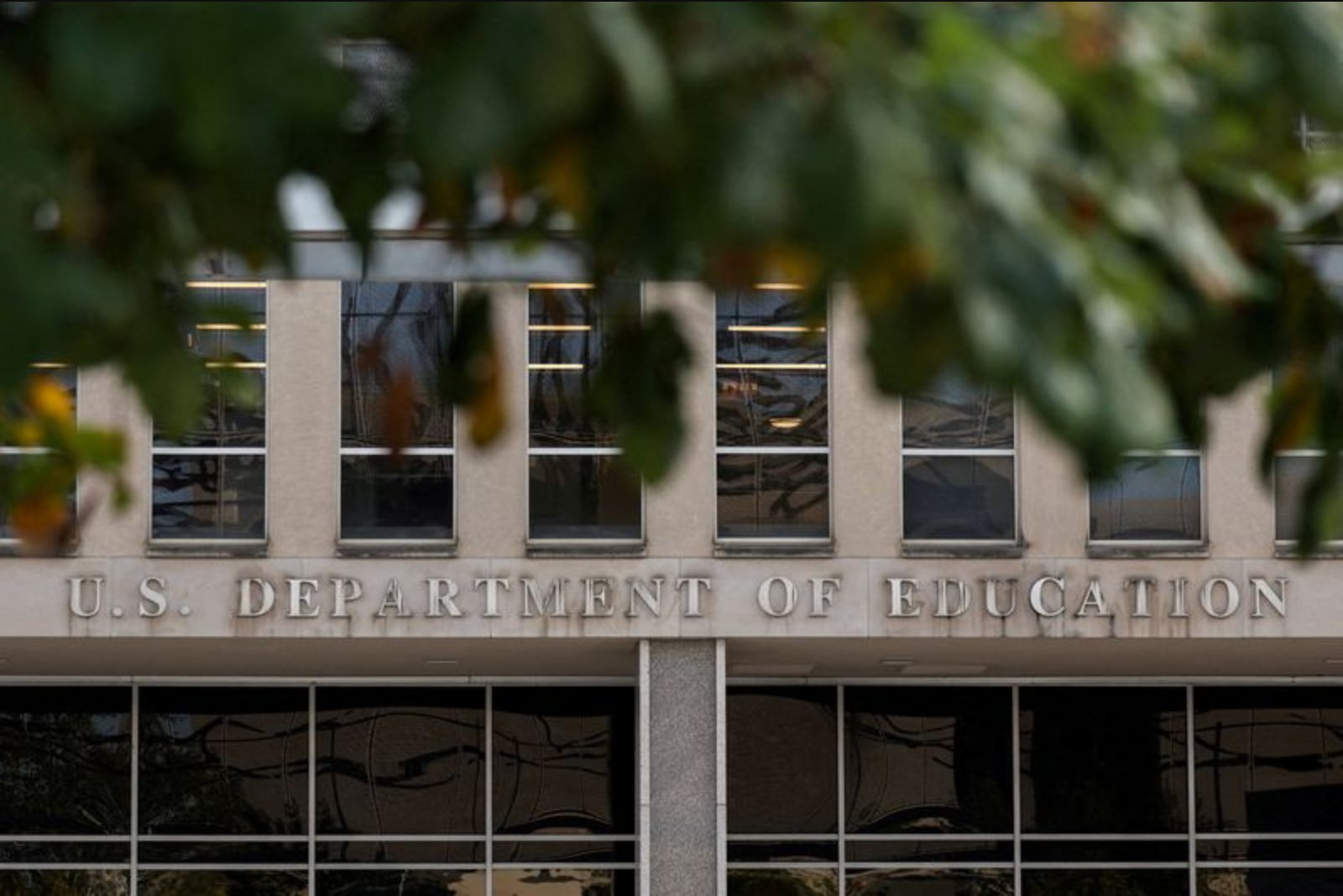
A federal judge in Boston on Friday issued a preliminary injunction blocking the U.S. Department of Education from forcing public universities in 17 states to supply extensive historical admissions data that would show the race and sex of students admitted over several years. The order followed a lawsuit filed by Democratic attorneys general in those states challenging a recently adopted reporting requirement.
U.S. District Judge F. Dennis Saylor IV granted the injunction at the request of the states, which argued the department's new survey requirement had been implemented in a rushed fashion and left institutions exposed to potential penalties and investigations should they inadvertently submit erroneous data.
The Education Department had sought seven years of admissions data through the Integrated Postsecondary Education Data System, or IPEDS, survey. Officials said they wanted the information to monitor whether colleges had stopped considering race as an admissions factor following the Supreme Court's 2023 decision that ended race-conscious admissions policies.
New York Attorney General Letitia James praised the ruling, saying in a statement that "schools should not have to scramble to produce years of sensitive information to satisfy an arbitrary and unlawful demand." The Education Department did not respond to a request for comment.
The group of states that sued includes California and Massachusetts among the 17 that joined the challenge. In their filings, the states contended that the tight timeline and abrupt rollout of the survey produced a high risk that universities would make unintended errors when submitting complex datasets, potentially triggering enforcement actions.
The department created the IPEDS survey at the direction of President Donald Trump. In an August memorandum, he cited an alleged lack of data needed to evaluate whether race continued to play a role in admissions practices, asserting there was "rampant use" by universities of what he termed "hidden racial proxies."
Saylor's written ruling said the Education Department did have statutory authority to request the information, but criticized the "rushed and chaotic manner" in which the new requirements were adopted. The judge found the agency failed to adequately consult with colleges about foreseeable obstacles to producing the requested information.
He also noted that the administration's efforts to scale back the Education Department had reduced staffing in the National Center for Education Statistics, leaving too few employees to manage the survey process effectively after job cuts, a factor the judge cited as compounding implementation problems.
After the states filed their suit, Saylor issued temporary restraining orders that extended the deadline for the institutions in those states to complete the survey until Monday while he reviewed the case. On Tuesday he issued a separate order extending the submission deadline for dozens of other public and private universities as he considered whether they should also receive preliminary injunctive relief.
The injunction pauses the department's immediate plan to collect multi-year admissions information from the affected public institutions as the court weighs the merits of the legal challenge brought by the states' attorneys general.
Contextual note: The court's actions put on hold the Education Department's data-request effort for the specified institutions while litigation proceeds. The ultimate decision on whether the department may compel the data will depend on the ongoing judicial review.