
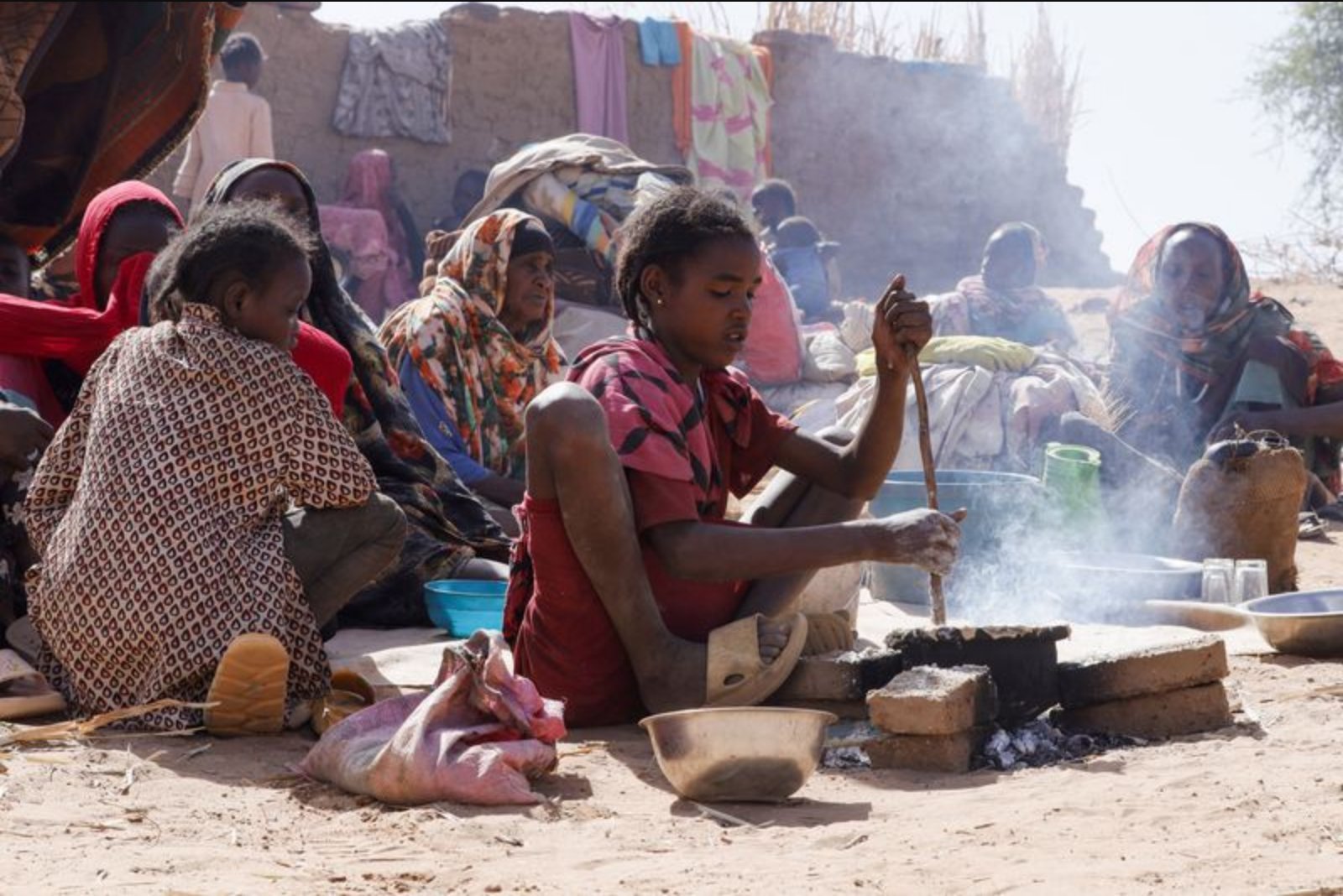
The U.N.-supported Integrated Food Security Phase Classification (IPC) has determined that acute malnutrition has surpassed famine thresholds in two more localities of North Darfur - Um Baru and Kernoi - underscoring escalating humanitarian distress as the conflict in Sudan continues.
In its alert, the IPC reported that in Um Baru the proportion of children under five suffering acute malnutrition was nearly double the famine threshold. While the IPC alert is not a formal famine declaration, it signals critically high levels of hunger based on the most recent assessments.
Both Um Baru and Kernoi lie close to Sudan's border with Chad and received large numbers of internally displaced people late last year after the district of al-Fashir fell to the Rapid Support Forces (RSF). Al-Fashir had earlier been identified by the IPC as experiencing famine conditions. Following the influx of displaced people, Kernoi and Um Baru experienced clashes as the RSF moved to consolidate control in the area.
The conflict between the RSF and the Sudanese armed forces, which began nearly three years ago, has contributed to widespread food insecurity across the country, the IPC said. In November, the monitor confirmed famine conditions in al-Fashir and in Kadugli - where authorities reported that the Sudanese army on Tuesday had broken what had been a years-long siege on the city.
The IPC also noted an overall increase in reported cases of acute malnutrition across Sudan. The monitor estimated nearly 4.2 million cases, up from 3.7 million in 2025, based on its latest data.
Access to lifesaving health services in North Darfur is severely constrained, compounding the malnutrition crisis. In Kernoi, for example, only 25% of children with Severe Acute Malnutrition were enrolled in treatment programmes, according to the IPC. Conflict-related disruptions to food production and supply lines in Greater Kordofan have additionally reduced food availability and impeded distribution.
Aid agencies operating in Sudan report that their response capacity has been limited by reductions in global donor funding. CARE International, one of the major humanitarian organisations active in the country, said these cuts are constraining efforts to scale up assistance.
"Starvation has really become entrenched in some of the places where we’re working," said Elizabeth Courtney, CARE's Humanitarian Advocacy Advisor. She warned that funding is urgently required to expand supplies before the rainy season and the upcoming lean season, when household food stocks from the previous harvest tend to be depleted.
The IPC alert serves as a signal of critical need, but it does not replace a formal famine classification process. Nevertheless, the data-driven assessment details sharply elevated malnutrition rates in the two localities and points to gaps in treatment coverage and humanitarian access.
Contextual constraints in the field - insecurity, displacement, and funding shortfalls - have limited both the delivery of health services and the reach of nutrition programmes. The IPC report and aid agency statements together paint a picture of escalating need that will require increased access and resources to address effectively.