
Utah County officials on Wednesday declared a long-unresolved homicide closed after new forensic testing produced what they described as definitive proof that Theodore "Ted" Bundy murdered 17-year-old Laura Ann Aime in 1974.
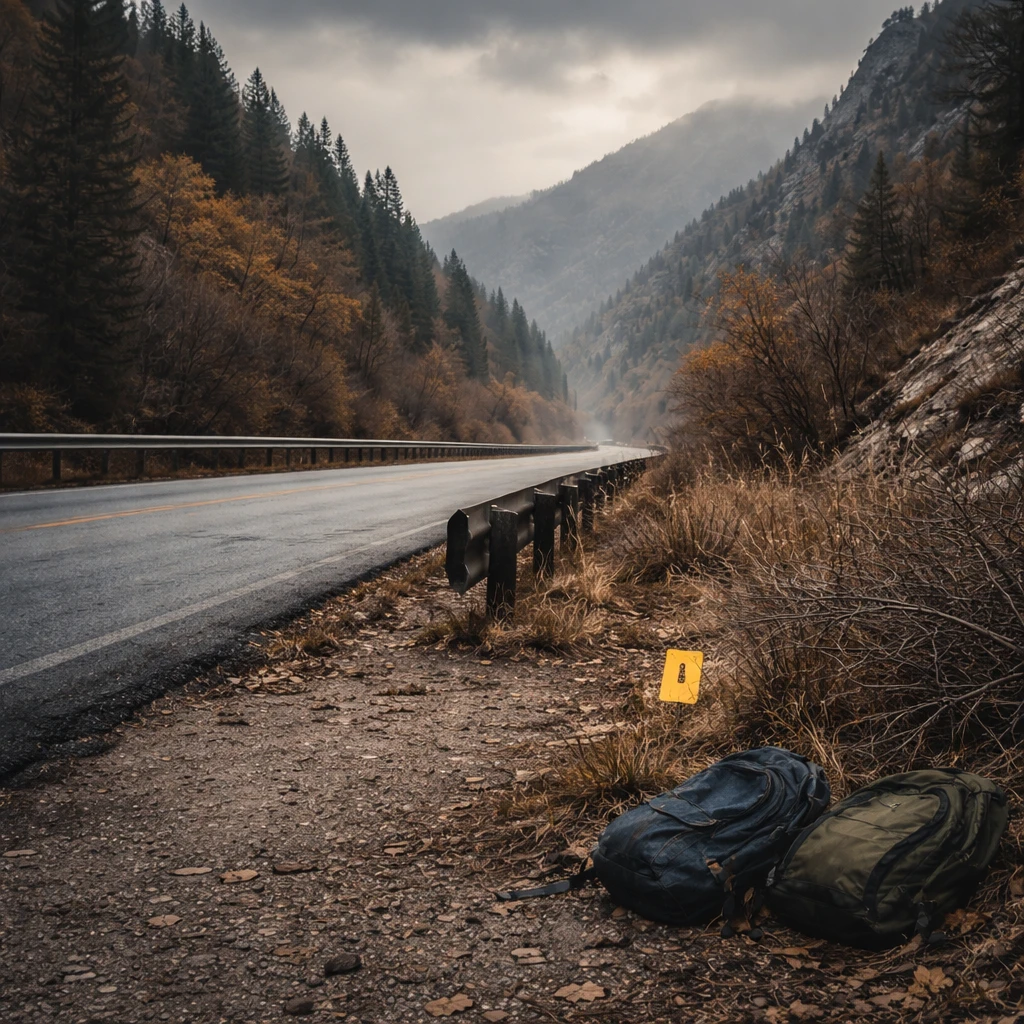
According to a statement from the Utah County Sheriff’s Office, Aime disappeared on the night of October 31, 1974. She left a party alone to make a purchase at a convenience store and did not return. Her body was discovered on Thanksgiving Day that year by two college students. Authorities said the remains were found several feet from the highway near State Road 92 in American Fork Canyon.
Investigators noted that evidence from the case bore similarities to Bundy’s known pattern of violence. The sheriff’s office said in its statement that "case evidence similarities indicated that the manner of abuse and the likely cause of death was comparable to the modus operandi of Theodore 'Ted' Bundy." Building on that comparative assessment, officials said recent laboratory work provided a conclusive link.
"The Utah County Sheriff’s office has definitive proof that Theodore 'Ted' Bundy murdered Laura Ann Aime in 1974," the office stated, pointing to DNA recovered from Aime’s body and submitted to the Utah Bureau of Forensic Services.
Bundy, who at times claimed he killed at least 100 women, was executed in Florida in 1989 for the 1978 abduction and murder of 12-year-old Kimberly Leach. The Utah County Sheriff’s Office said Bundy had earlier acknowledged his culpability in the disappearance and deaths of Aime and others ahead of his execution, but that he offered no additional details about his involvement.
At the time of the 1974 investigation, authorities declined to accept Bundy’s verbal admission concerning Aime’s death, saying the available evidence and the investigative sciences of that era would not have supported a conviction. The sheriff’s office highlighted that limitation when explaining why the case remained unresolved for decades.
Officials said a renewed examination of preserved evidence and forensic testing yielded the DNA match that linked Bundy to Aime’s killing. The office did not provide further procedural details about the testing beyond noting the submission to the state forensic bureau.
Bundy is believed to have committed crimes between 1974 and 1978. He admitted to killing 36 young women and has been associated with murders across multiple states, including Washington, Oregon, Utah and Colorado, according to the sheriff’s office statement.
Context and case status
With the new DNA confirmation, Utah County law enforcement has closed the case of Laura Ann Aime. The announcement underscores the role of modern forensic testing in resolving longstanding homicides that were previously limited by the investigative methods available at the time.