
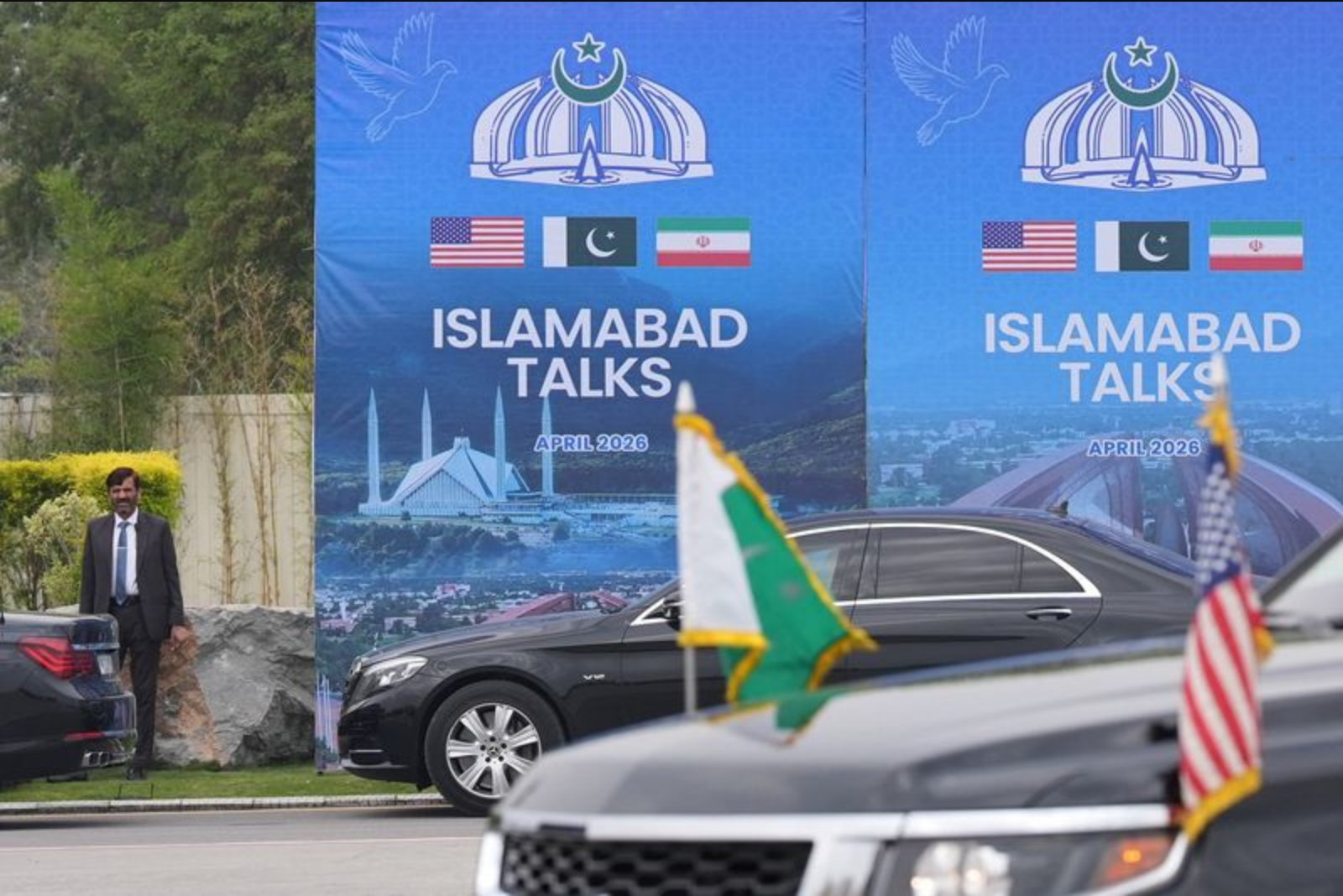
Senior representatives from the United States and Iran gathered in Islamabad on Saturday for talks intended to halt a war in the Middle East that has claimed thousands of lives, disrupted energy supplies and damaged the global economy. Tehran has said formal negotiations can only proceed after Washington provides specific commitments - chiefly a Lebanon ceasefire and relief from longstanding sanctions.
Main items on the agenda
- Lebanon ceasefire - Iran is pressing for a halt to fighting in Lebanon, where Israeli operations against Iran-backed Hezbollah fighters have resulted in the deaths of nearly 2,000 people since the outbreak of hostilities in March. The United States and Israel have maintained that the Lebanon campaign falls outside the scope of any Iran-U.S. ceasefire, a point Tehran disputes.
- Sanctions and frozen assets - Tehran wants Washington to unblock Iranian assets and lift sanctions that have, it says, crippled the Iranian economy over many years. U.S. officials have indicated they could offer significant sanctions relief, but only in return for Iranian concessions on its nuclear and missile programmes.
- Control of the Strait of Hormuz - Iran seeks formal recognition of authority over the Strait of Hormuz, including the right to collect transit fees and regulate access. Such a change would represent a major shift in regional power dynamics. The United States, by contrast, is insisting the strait remain open to oil tankers and other commercial traffic without restrictions or tolls.
- War damages - Iran is expected to press for compensation for damage incurred during the six-week conflict. The United States has not provided a public response on this demand.
- Uranium enrichment - Iranian negotiators want to retain the right to enrich uranium. Washington has ruled that out, and President Donald Trump has stated that allowing enrichment is non-negotiable.
- Missile capabilities - Both Israel and the United States want Iran's missile forces to be significantly reduced. Iran has declared its substantial missile arsenal non-negotiable.
- U.S. military presence and non-aggression - Tehran seeks the withdrawal of U.S. combat forces from the region, an end to hostilities on all fronts and a pledge of non-aggression. The U.S. position remains that military assets will be retained in the Middle East until a peace deal is secured; President Trump has warned of a major escalation in fighting if parties do not comply.
Contextual note included with the meeting
The coverage accompanying the meeting also contained a promotional note aimed at investors, arguing that superior data and AI-driven analysis can improve investment decisions. That note suggested tools combining institutional-grade data and artificial-intelligence insights may help identify more opportunities, while cautioning they do not guarantee success.
What negotiators face
The talks bring to the fore a tightly packed set of demands and red lines: a call by Iran for immediate, broad concessions including a Lebanon ceasefire and sanctions relief; firm U.S. insistence on curbs to Iran's nuclear and missile programmes; competing claims over maritime control in the Strait of Hormuz; expectations of financial reparations for wartime damage; and divergent positions on the continued presence of U.S. military forces in the region. Each item reflects deep, unresolved differences that negotiators will need to navigate if the discussions are to progress.