
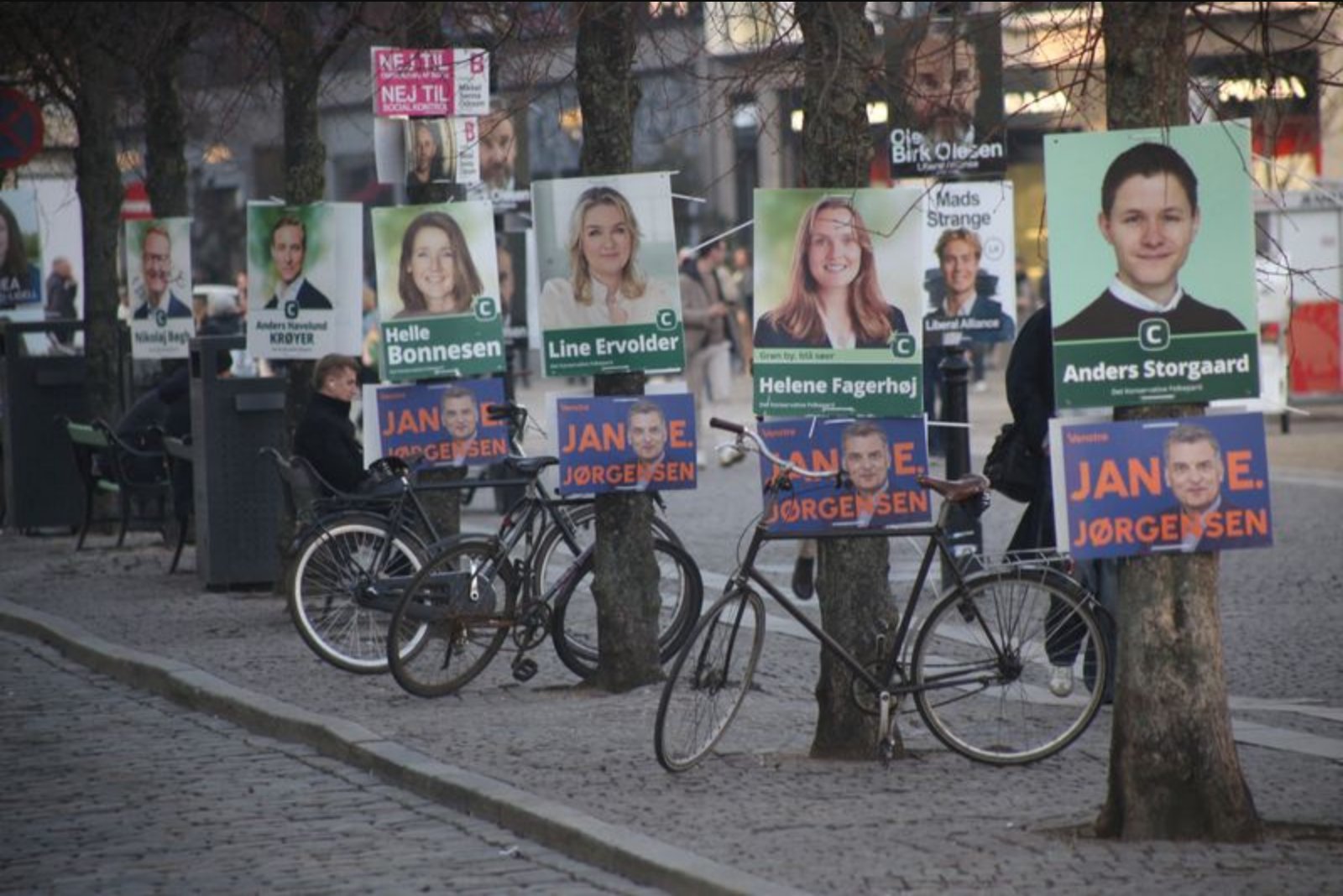
Denmark goes to the polls at a moment when international headlines and domestic priorities have both shaped voter debate. Opinion polls indicate that Prime Minister Mette Frederiksen’s Social Democrats are on course for their weakest electoral result in more than a century, yet she remains the frontrunner to form the next government after an election campaign that was briefly intensified by U.S. President Donald Trump’s persistent remarks about acquiring Greenland.
Trump’s repeated expressions of interest in Greenland - a semi-autonomous territory of the Danish realm - introduced an unusual geopolitical undertone to the campaign. Those comments, including a refusal at one point to rule out the possible use of military force, produced a temporary uptick in support for Frederiksen in some polls earlier this year. But the diplomatic dispute has since eased and domestic matters have reasserted themselves as the primary drivers of voter decision-making.
Throughout the campaign, voters have been focused on traditional domestic concerns: the cost of living, inequality and the future of welfare and education funding. Frederiksen has sought to signal a shift to the left with a proposal to reinstate a wealth tax aimed at generating revenue for investments in education and welfare. The plan drew criticism from opposition figures such as Liberal Alliance leader Alex Vanopslagh, who dismissed the proposal as "pettiness."
Frederiksen, who has led Denmark since 2019 and is campaigning for a third term, framed the vote as both a policy and leadership test. She has presented herself as a steady hand capable of managing international crises - citing wars in Europe and the Middle East - and responding to external pressure exemplified by the Greenland episode. But her leadership style is a contentious point: veteran political analyst Hans Engell noted that while some voters view her as the appropriate leader during tumultuous times, others consider her too authoritarian.
Polling trends underscore the mixed picture facing the incumbent. The Social Democrats, which earlier in the campaign dipped to a low of 17% in December, have recovered to roughly 21% as the Greenland rhetoric peaked and then subsided. Despite that rebound, projections show the broader left-leaning bloc falling short of a parliamentary majority in the 179-seat Folketing. Analysts forecast the left bloc will secure about 85 seats, while 90 seats are required for a majority.
The current government arrangement is notable: Frederiksen’s grand coalition was the first to bridge the left-right divide in more than four decades. That coalition is expected to lose its parliamentary majority in the election. Nevertheless, with several left-wing allies predicted to hold steady and a right-leaning opposition that appears divided, Frederiksen retains an advantage in post-election negotiations.
"Everything points to something resembling a dead heat between the red and blue blocs," Engell said, adding that Frederiksen is likely to emerge as prime minister because the support backing her looks more stable. The balance of power may hinge on the positioning of centrist forces and the fragmented composition of the right.
On the centre-right, the right-leaning bloc is led by Defence Minister Troels Lund Poulsen of the Liberal Party. A pivotal role could be played by former Prime Minister Lars Lokke Rasmussen, who leads the centrist Moderates and currently serves as foreign minister. Rasmussen’s eventual alignment - whether with Frederiksen’s left bloc or with a right-leaning coalition - could decide who is able to form a government.
A crowded ballot further complicates coalition calculations: 12 parties are contesting the election, and the allocation of four seats representing Greenland and the Faroe Islands could prove decisive in a tight outcome. In Denmark’s parliamentary system, a government does not need an outright majority to rule; it simply must avoid a majority of parliamentary opposition. That dynamic leaves room for minority governments or issue-by-issue arrangements if no stable majority emerges.
Key policy debates shaping voter choices included Frederiksen’s proposed wealth tax - intended to finance additional spending on education and welfare - and ongoing discussions about immigration policy. The Social Democrats’ previous adoption of tough asylum reforms had alienated some traditional left-leaning supporters, a factor that shaped electoral dynamics earlier in the campaign but that polls suggest the party has partly recovered from since the spike in attention on Greenland.
As the vote concludes, the political picture remains uncertain. While several indicators point toward a weakened but still influential Social Democratic bloc and a fragmented opposition, the final configuration of seats and party alignments will determine whether Frederiksen can secure another term and on what terms she governs.