
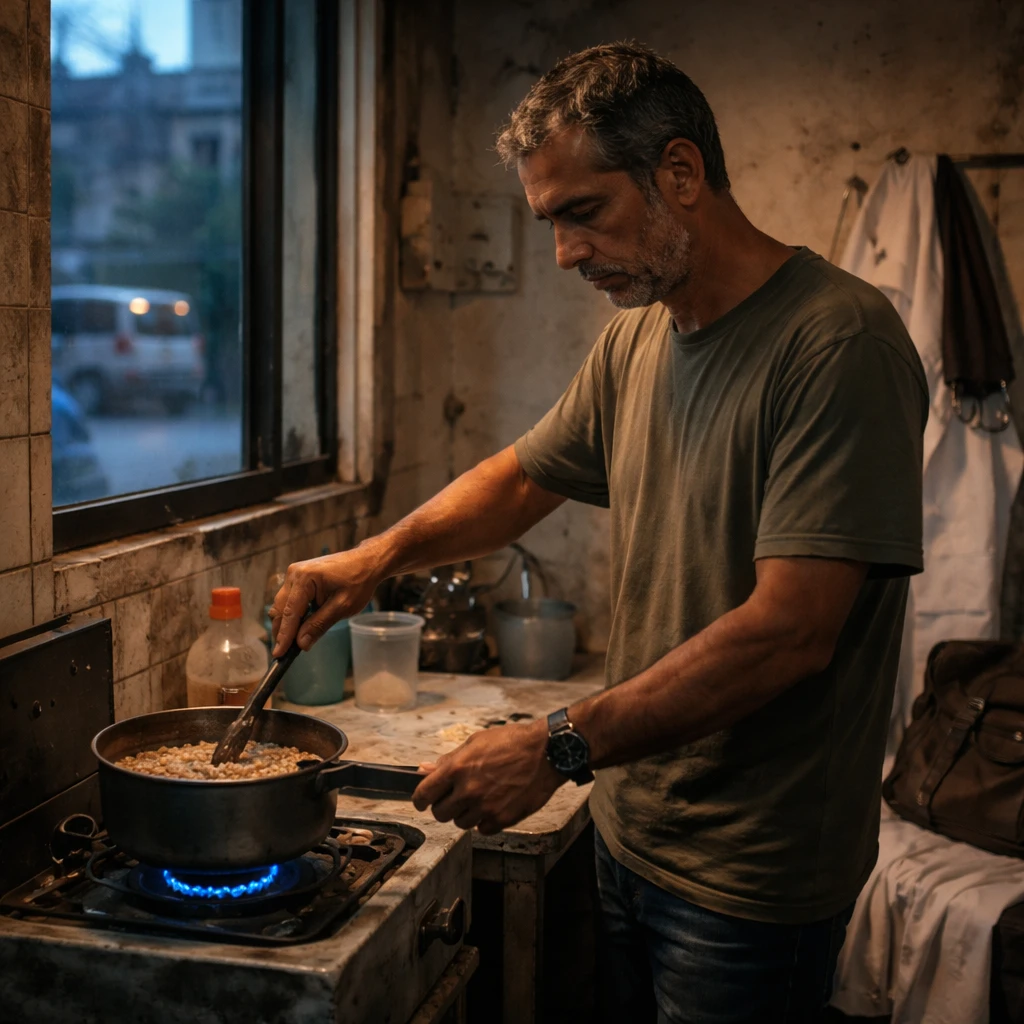
A veteran Cuban physician with more than 25 years in practice says he must earn extra income to make ends meet and to cope with recurring power outages. He rises at 5 a.m. to cook rice and beans for sale, supplementing a monthly government salary of 8,000 pesos - roughly $16 under a commonly used unofficial exchange rate - while his daily transport costs for buses and taxis already exceed that pay.
That daily reality sits alongside a wider erosion of Cuba’s state-run health system. Once a central achievement of the 1959 revolution and subsequent decades of state policy, the public healthcare network has shown signs of decline for years as economic difficulties have mounted. Officials and frontline staff say the situation has worsened since an oil blockade imposed by the United States earlier this year.
Cuban authorities report a surgical waiting list of 96,000 patients in a nation of roughly 10 million people, including 11,000 children. The Public Health Ministry projects the list could expand to 160,000 by the end of the year. Weekly shortfalls affect more than 300 pediatric operations that lack medicine, oxygen, anesthesia or other critical supplies. At the same time, an estimated 32,000 pregnant women risk not receiving the recommended minimum of three ultrasound examinations.
Those statistics describe the strain on patients, but they only partially capture the toll on the medical workforce. Doctors, nurses and other health personnel return from blackouts and water interruptions at home to hospitals and clinics facing shortages, unsanitary conditions and the emotional burden of telling patients they cannot receive care at previous standards.
"Public healthcare has always been promised here. Free. A world-class system," the doctor said. "I don’t know how much longer we can endure this. There are fewer and fewer doctors, fewer resources for the patient, but the patients keep coming."
Under current pressures, many state-employed clinicians supplement or replace their health-sector earnings with informal work. Interviews indicate doctors commonly accept side jobs in small businesses, restaurants, or domestic services rather than rely solely on state pay. Monthly wages in state medical employment run in the range of 7,000 to 8,000 pesos - equivalent to about $14 to $16 using the unofficial exchange rate many Cubans apply - levels that struggle to cover basic food and household expenses. For context, a carton of 30 eggs costs 3,000 pesos, a liter of cooking oil 1,500 pesos, and a kilogram of rice 700 pesos.
In conversations with clinical staff, several recurring themes emerged: basic medical and sanitation supplies are becoming scarce, hospital and primary care facilities operate intermittently when water and power are unavailable, and health workers are improvising solutions for equipment and consumables that are no longer reliably supplied.
Some clinicians described reusing single-use gloves until supplies were exhausted in the past; now gloves have vanished from inventories. When clinical-grade urine bags are unavailable, staff have resorted to repurposing water or empty beverage bottles, according to one doctor. Two doctors also reported seeing more cases of hepatitis and diarrhea, and a senior health ministry official acknowledged an increase in infections linked to shortages of antibiotics.
Fuel shortages and power outages have direct operational consequences. When pumps lose power, drinking water can stop flowing to clinics and some primary care outlets effectively cease consultations because they lack running water, a physician said. In hospital neonatal units, staff sometimes must hand-pump ventilators for infants until emergency generators come online, a nurse recounted.
Officials in the health ministry acknowledge the system is under pressure but stress the resilience of medical personnel. Tania Margarita Cruz, the vice minister for public health, said the so-called "Army of White Coats" will continue to serve despite the difficult circumstances. Still, she conceded that the energy crisis has reduced patient visits and hospital admissions and hampered the availability of basic supplies.
Cruz provided figures on cancer care that underline the strain in more specialized services. She said Cuba is treating 117,000 cancer patients, of whom 16,000 require radiation therapy and 12,000 need chemotherapy, while 400 patients currently need surgical intervention. Cruz said Cuba lacks necessary medications to sustain the "world-class protocol" historically applied and acknowledged a "decrease in the average and overall survival rates of Cuban patients and Cuban children" with cancer. She also warned that antibiotic shortages can result in fatal outcomes.
On the topic of workforce morale and retention, the health ministry has pointed to measures intended to support staff. Authorities recently increased overnight pay to 100 pesos per hour - a figure that amounts to roughly $2.40 for a 12-hour shift - and established bonuses for high performance in select specialties, reportedly worth 20 pesos or about 4 cents per hour. Officials say the ministry has implemented programs aimed at improving working conditions, offering professional opportunities and bolstering research as part of a broader effort to raise morale.
Frontline clinicians, however, describe a different picture. Several veteran, government-loyal doctors who requested anonymity said the cumulative effects of low pay, resource constraints, and restricted ability to speak freely are eroding the workforce. "We all fear speaking out," one doctor said, adding that criticizing conditions can derail careers. "I’ve seen doctors cry," she said. "With this crisis, they cry. They’ve stopped working, they’ve become depressed. You can see it on their faces."
Health system deterioration and staff burnout also coincide with a broader exodus and shift away from full-time clinical roles, according to accounts provided by medical personnel. Some physicians are reportedly leaving the country, others are abandoning government posts, and many accept informal or private work to cover household expenses - trends that constrict the supply of clinicians available for the state-run network.
Officials stopped short of quantifying mortality changes directly attributable to sanctions or the current shortages, but they signaled concern about survival outcomes. Cruz declined to attach a specific mortality figure to the effects of sanctions, but the ministry's public statements and clinician interviews together describe a health delivery environment where constrained inputs - fuel, power, water, medicines, and equipment - reduce the consistency and quality of care.
For patients and providers alike, the current conditions present a complex operational challenge. Surgical backlogs are expanding in the absence of reliable supplies and energy. Oncology services strain to maintain treatment protocols without essential medications. Primary care and preventive services fluctuate with the availability of basic utilities. For medical staff, modest pay increments and targeted bonuses appear insufficient to offset the daily pressures of resource scarcity and the emotional toll of providing care under these circumstances.
Key points
- Cuban public health staffing and supply chains are under acute strain following an intensified U.S. oil blockade and a prolonged domestic economic downturn - affecting surgical backlogs, pediatric operations and cancer care.
- State-employed medical salaries (7,000-8,000 pesos monthly) and modest performance bonuses have not prevented clinicians from seeking additional income or leaving clinical roles, pressuring workforce availability and quality of care.
- Energy and water disruptions have operational impacts on primary care and hospital services, interrupting consultations and emergency procedures and forcing improvised clinical workarounds.
Risks and uncertainties
- Rising surgical waiting lists and shortages of essential supplies could worsen health outcomes and increase demand on acute hospital services - key risks for the healthcare sector and public spending priorities.
- Persistent shortages of antibiotics and other medicines raise the risk of higher infection rates and mortality among vulnerable patients, impacting oncology and pediatrics particularly.
- Ongoing burnout, career disruption and emigration among clinicians could further erode system capacity and force greater reliance on informal care or limited private services, with implications for labor markets and public-sector staffing models.