
World February 2, 2026

Cuban Official Confirms Limited Exchanges With U.S., Stops Short of Calling It a Dialogue

Deputy foreign minister says Havana has communicated with Washington but no formal talks have been established amid recent tensions

By Priya Menon
Cuban Official Confirms Limited Exchanges With U.S., Stops Short of Calling It a Dialogue

Cuba's deputy foreign minister, Carlos Fernandez de Cossio, confirmed that Havana and Washington have exchanged messages and used diplomatic channels but that those contacts have not developed into a formal dialogue. His comments follow heightened tensions after the U.S. capture of Venezuela's Nicolas Maduro and recent U.S. statements and policy threats directed at Cuba.

Key Points

  • Cuba's deputy foreign minister Carlos Fernandez de Cossio confirmed exchanges with the U.S. but said they are not a formal dialogue - impacts diplomatic relations and political risk assessments.
  • Comments follow heightened tensions earlier this month after the U.S. capture of Venezuelan leader Nicolas Maduro - affects geopolitical risk in energy and regional trade sectors.
  • U.S. President Donald Trump has said talks with senior Cuban officials have begun and labeled Cuba an "unusual and extraordinary threat," while threatening tariffs on nations supplying oil to Cuba - relevant to energy and trade policy considerations.

Cuba has engaged in limited communications with the United States, a senior Cuban diplomat told Reuters, but those contacts have not reached the level of an official dialogue. Carlos Fernandez de Cossio, Cuba's deputy foreign minister, said Havana has signaled its willingness to negotiate, while stressing that what has occurred so far amounts to exchanges rather than structured talks.

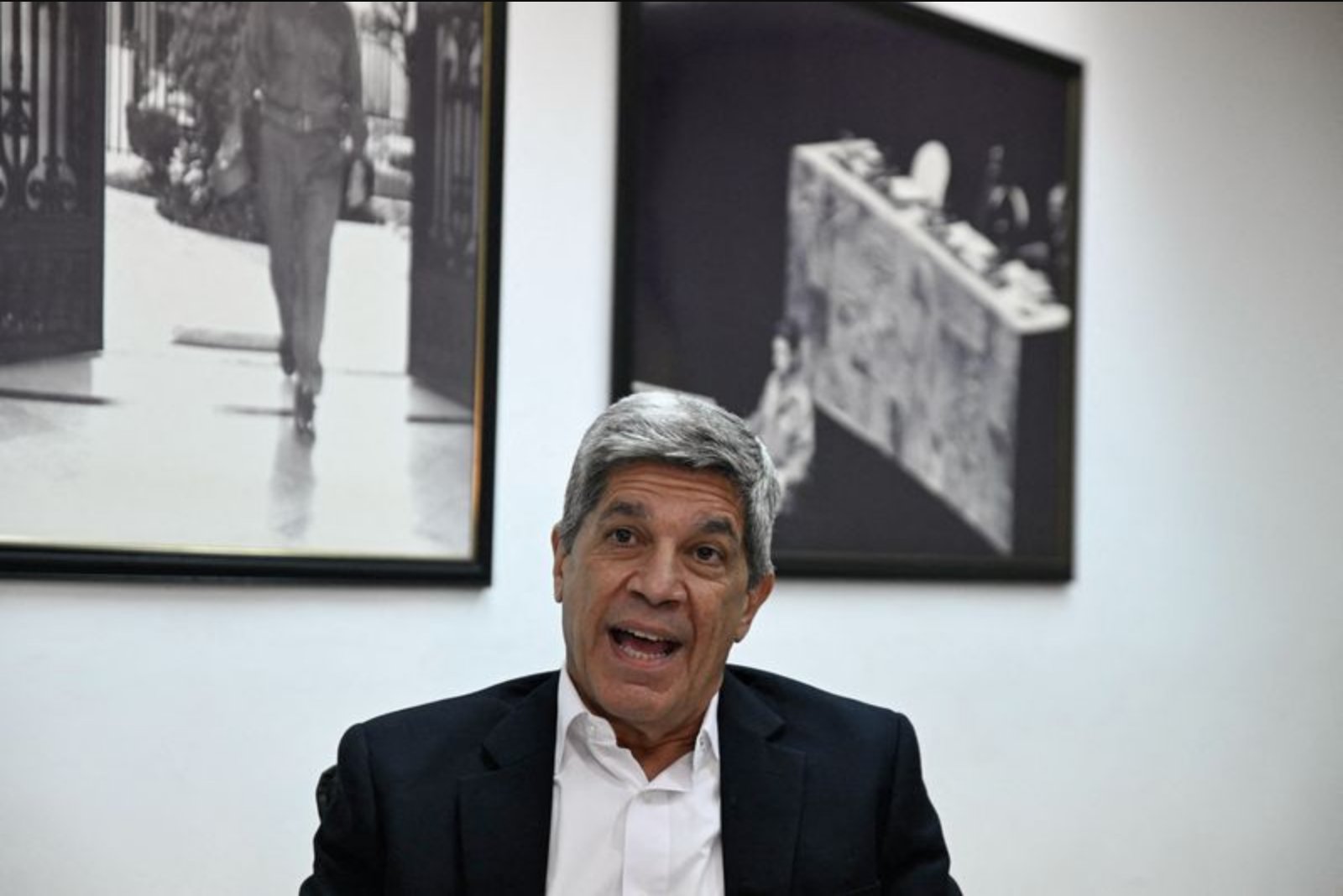
Speaking in an interview at the Foreign Ministry building in Havana, de Cossio said the U.S. government was aware that Cuba was "ready to have a serious, meaningful and responsible dialogue." He added: "We have had exchange of messages, we have embassies, we have had communications, but we can not say we have had a table of dialogue."

The diplomat's remarks provide the first acknowledgment from Cuban officials that some level of contact has taken place, even if it is limited in scope. The comments come after a period of elevated tensions earlier this month, when relations between the two countries deteriorated following the U.S. capture of Venezuelan leader Nicolas Maduro, who has been a long-time ally of Cuba.

U.S. President Donald Trump has publicly stated that talks with senior Cuban officials had begun. On Sunday, Trump said the United States had started discussions with "the highest people in Cuba," and he also declared Cuba "an unusual and extraordinary threat" to U.S. national security. In addition, Trump threatened to impose tariffs on any country that supplies oil to the communist-run island.

Reflecting the uncertain state of bilateral contacts, Trump told reporters at his Mar-a-Lago estate in Florida: "I think were going to make a deal with Cuba." Havana had previously denied that any talks were underway with Washington.

At this stage, the exchanges described by de Cossio appear to be limited to diplomatic messages and embassy-level communications rather than a formal negotiation process or a scheduled meeting framework. The Cuban official framed the country's position as open to serious talks, while also distinguishing current communications from an established dialogue table.


Reporting note: The Cuban deputy foreign minister spoke at the Foreign Ministry building in Havana and characterized the contacts between Havana and Washington as exchanges rather than formal negotiations.

Risks

  • Communications between Havana and Washington remain limited and undefined, creating uncertainty for diplomatic normalization efforts - impacts political risk assessments in international trade and energy.
  • U.S. threats of tariffs on countries sending oil to Cuba and declarations of national security threat raise the prospect of economic measures that could affect energy supply chains and regional trade - impacts energy markets and companies exposed to regional commerce.

More from World

DHS to Equip Every Minneapolis Field Officer with Body Cameras, Plans Nationwide Rollout as Funds Allow Feb 2, 2026 Egypt’s Deployment of Advanced Turkish Drone to Southwestern Airstrip Marks Escalation in Sudan Conflict Feb 2, 2026 Queen's University Belfast severs formal links with George Mitchell after release of Epstein-related files Feb 2, 2026 Russia Warns Western Forces Sent to Ukraine Would Be Treated as Legitimate Military Targets Feb 2, 2026 French Government Survives First No-Confidence Motion on 2026 Budget Vote Feb 2, 2026