
A court in Sydney on April 2 rejected an application seeking to bar Australian media from identifying the relatives of a man accused of one of the nation's deadliest mass shootings.
The defendant, 24-year-old Naveed Akram, is accused of opening fire on a Jewish Hanukkah celebration on Bondi Beach last December, an attack in which 15 people were killed. Police have said the assault was inspired by Islamic State.
Akram's legal team had sought a broadly framed suppression order lasting 40 years. The proposed order would have prohibited publication in Australia of the names and photographs of his mother, brother and sister, as well as details including their home address and the places where they work and go to school. The application was made on grounds of concern for the family members' safety.
Several Australian media organisations opposed the bid, arguing that such an order would unduly impede proper reporting on a case that has generated intense public interest both within Australia and internationally. The media groups told the court that the public interest in transparent proceedings outweighed the proposed privacy protections.
Judge Hugh Donnelly dismissed the suppression application, citing the fundamental role of open justice in the legal system. He said suppression orders "should only be made in exceptional circumstances" and observed that this case had provoked "unprecedented public interest, anger, outrage and grief."
The judge also noted practical constraints on any domestic suppression order. Evidence presented in court showed that Akram's driving licence, including his home address, had been circulated widely online. The court heard that Akram's mother had given an interview to a local newspaper within hours of the shooting.
Because social media platforms and overseas publications would not fall under an Australian court's jurisdiction, Donnelly said a domestic prohibition would be largely ineffective, limiting its utility as a protective measure. He described the case as "exceptional by virtue of the sheer magnitude and intensity of commentary on social media."
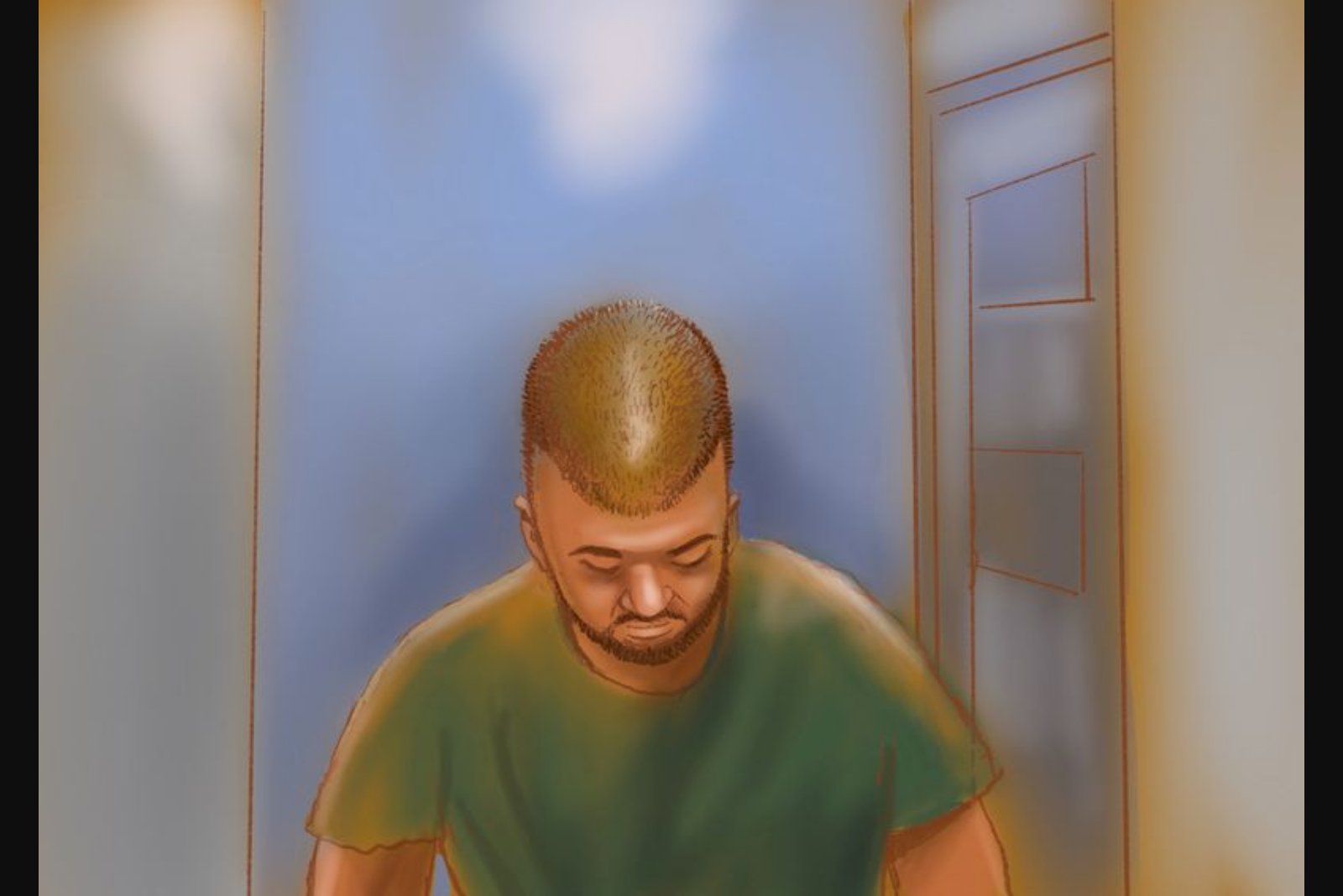
Akram attended the hearing remotely from the maximum security prison where he is being held. Appearing by video link, he waved at the camera as he sat down to observe proceedings and spoke only to confirm he could hear. After conferring with his legal team, his barrister, Richard Wilson, informed the court that he did not intend to appeal the ruling.
The attack has jolted a nation known for strict gun laws, leading to renewed calls for tighter controls and stronger measures to counter antisemitism. The government has launched a government-backed inquiry into antisemitism and social cohesion, with findings due by December. Authorities have already strengthened gun laws and introduced new hate speech legislation.
Context and implications
The court's decision highlights tensions between protecting individuals potentially at risk and maintaining transparency in high-profile criminal proceedings. The ruling underlined limitations of domestic suppression orders in an era where information can spread quickly beyond national borders and on platforms outside the court's reach.