
World February 9, 2026

Collapse of Two Adjoining Buildings in Tripoli Leaves 15 Dead, Officials Say

Authorities end rescue operations after evacuating survivors; municipal leaders call for state intervention amid long-standing building deterioration

By Marcus Reed
Collapse of Two Adjoining Buildings in Tripoli Leaves 15 Dead, Officials Say

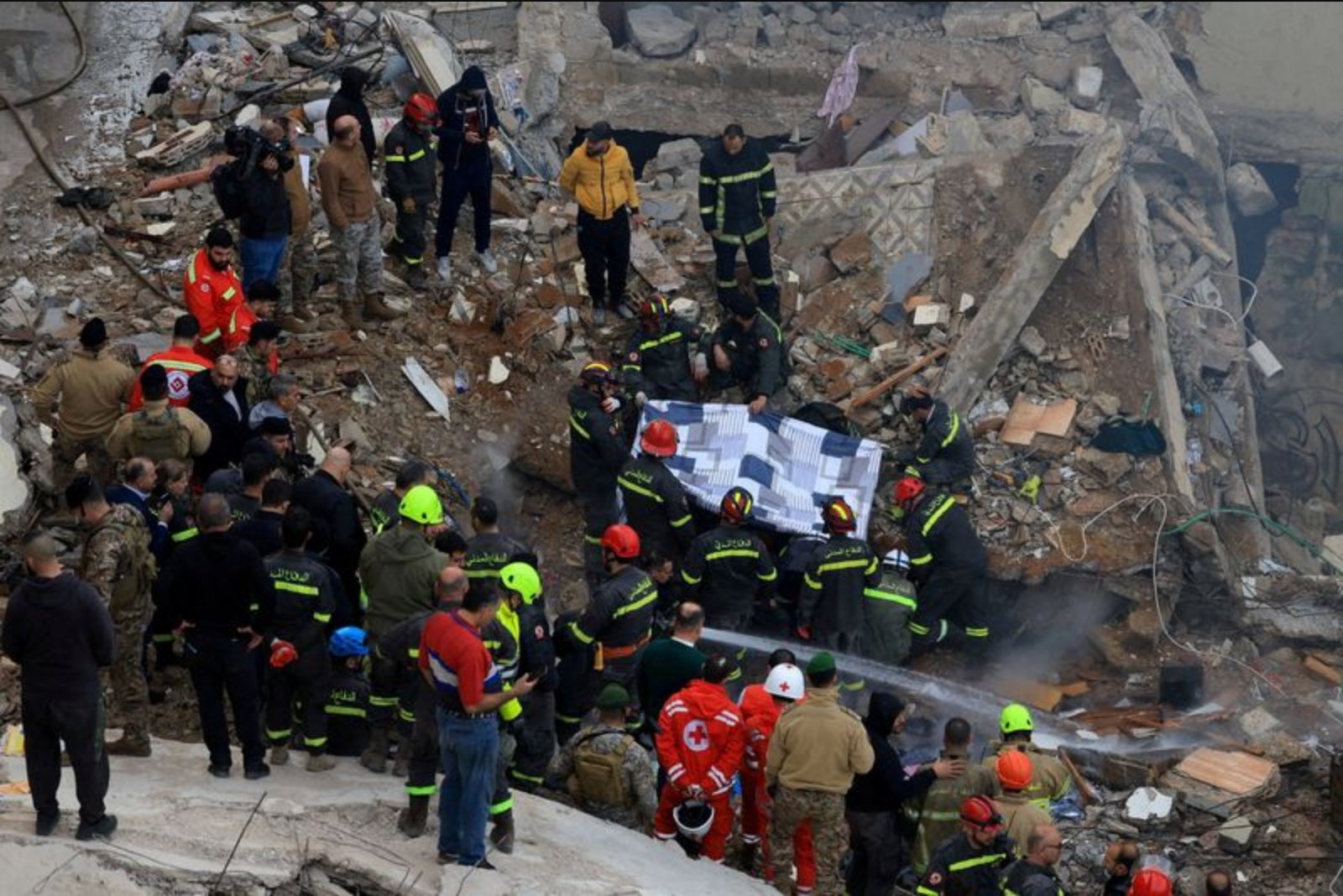
Search and rescue teams concluded operations in Tripoli after two neighboring residential buildings collapsed, raising the confirmed death toll to 15. Civil defence officials said eight people were pulled alive from the rubble. Local officials described a wider pattern of aging, poorly maintained structures and urged central government action as displaced families receive temporary shelter and short-term financial assistance.

Key Points

  • Rescue teams retrieved eight survivors from the rubble after two adjoining buildings collapsed in Tripoli; the confirmed death toll is 15.
  • Municipal leaders say repeated collapses reflect long-standing infrastructure deterioration linked to construction violations, weak oversight and lack of maintenance, with many buildings aged 60 to 70 years.
  • Authorities are providing temporary shelter and the Higher Relief Committee is offering housing allowances for up to three months, while charities and the Ministry of Social Affairs coordinate longer-term support.

Search and rescue efforts in the northern Lebanese city of Tripoli concluded with authorities reporting 15 fatalities after two adjacent residential buildings fell, the National News Agency reported on Monday citing the head of civil defence. Civil defence director general Imad Khreiss said rescue teams managed to extricate eight people alive from the debris in the Bab al-Tabbaneh neighbourhood.

Officials had said on Sunday that the collapse involved two adjoining buildings. Abdel Hamid Karimeh, who leads Tripoli's municipal council, said he could not confirm how many people remained unaccounted for following the operations. Earlier statements from the head of Lebanon's civil defence rescue service said the two structures had been home to 22 residents.

Municipal sources and state media noted that a number of older residential buildings have given way in Tripoli in recent weeks, a trend they attribute to deteriorating infrastructure and extended neglect. Karimeh characterized the problem of unsafe buildings in the city as long-standing, driven by a combination of construction violations, prolonged disorder, weak regulatory oversight and a lack of routine maintenance.

He also pointed to rent control laws as a contributory factor, saying such restrictions discourage property owners from making necessary repairs. Karimeh noted that many structures in Tripoli are between 60 and 70 years old and have exceeded their structural lifespan without essential maintenance, which increases the risk of collapse.

Local officials said the scale of the problem outstrips what the municipality and residents can handle alone and called for direct intervention by the central state. In the aftermath of the collapses, authorities have initiated measures to support those displaced. Municipal authorities are providing temporary shelter, while Lebanon's Higher Relief Committee is offering housing allowances for a period of up to three months, Karimeh said.

Charities, the Ministry of Social Affairs and international organisations have been described as coordinating relief efforts with the goal of ensuring at least a minimum acceptable level of support for affected households. The municipal leadership emphasized the need for coordinated action to address both immediate humanitarian needs and the broader, systemic issues that have left many buildings vulnerable to collapse.


Context limitation: Reporting reflects statements from municipal and civil defence officials; details on the number of missing individuals remain unconfirmed.

Risks

  • Continued failure to address aging and poorly maintained buildings may lead to further collapses, affecting residents and increasing demand for emergency response and temporary housing - sectors impacted include housing and municipal services.
  • Restrictive rent control laws cited as discouraging owner investment in repairs present an ongoing risk to building safety, potentially undermining property upkeep and maintenance budgets - impacting real estate and construction.
  • The scale of structural deterioration is reported to exceed municipal capacity, creating uncertainty about the speed and sufficiency of state and international aid to stabilize housing for displaced families - affecting social assistance and relief coordination.

More from World

Missiles Strike Southern Israeli Towns, Causing Widespread Damage and Scores Injured Mar 22, 2026 Trump Order Seeks to Preserve Exclusive TV Slot for Army-Navy Game Mar 21, 2026 Family Clings to Hope After Butcher Vanishes Following Strike on Commercial Complex Mar 21, 2026 Three Weeks In, Iran Conflict Tests U.S. Control and Strains Global Energy and Alliances Mar 21, 2026 Trump peace board delivers written disarmament plan to Hamas amid stalled talks Mar 21, 2026