
Chinese dissident artist Gao Zhen, a New York-based sculptor noted for provocative works that critique the Cultural Revolution, appeared at a one-day, closed-door trial on Monday on charges of "defaming national heroes and martyrs," a human rights group said.
The hearing took place at Sanhe City People’s Court in Hebei province - which borders Beijing - and finished without a verdict, Shane Yi, a researcher at the China-based rights group operating outside the country, told reporters via information received from Gao's lawyers and family.
Gao, 69, was detained in August 2024 while visiting China with family, despite having relocated to the United States in 2022 and making several trips back to China without reported incident prior to his detention, Yi said. The artist faces a maximum prison term of three years under the allegations, according to Yi.
Relatives were not permitted to attend the closed proceeding, Yi added. The rights researcher also noted that verdicts in cases handled in this manner are frequently announced months after a trial concludes.
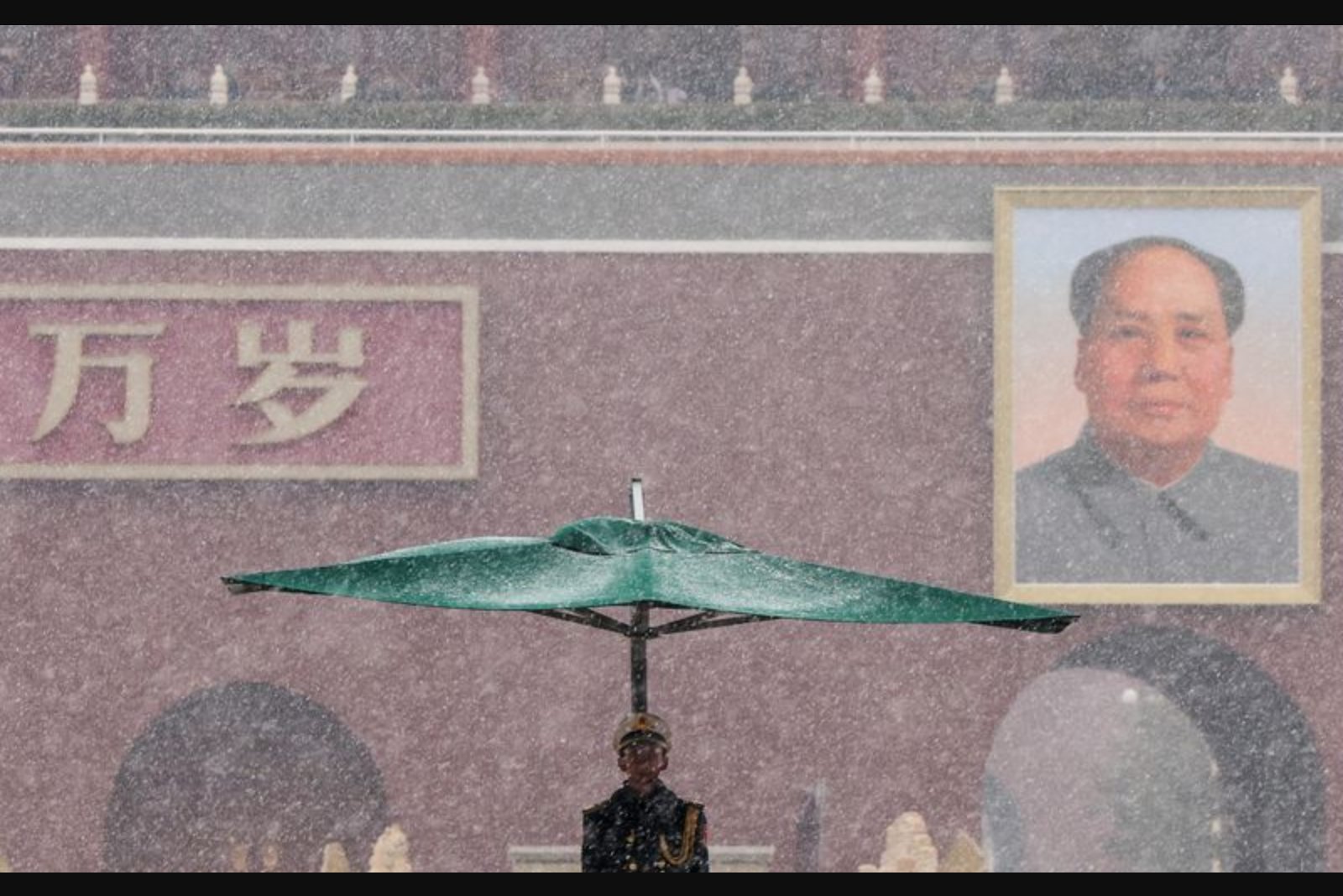
Gao is internationally known for collaborative works with his brother Gao Qiang that use satirical sculpture to challenge official narratives of the 1966-1976 Cultural Revolution - a period described in the court materials as a time of social upheaval and political persecution that resulted in millions of deaths. Among those works cited are "Miss Mao," which presents unsettling alterations to Mao's visage including elongated noses and breasts, and "Mao's Guilt," a bronze depiction of the former leader kneeling in apparent remorse.
Sources working with Gao reported that his wife, Zhao Yaliang, and their seven-year-old son are subject to exit bans and have been prevented from leaving China. Rights advocates John Kamm, chairman of the Dui Hua Foundation, and Shane Yi confirmed the family’s restricted movement and noted that Gao’s son holds U.S. citizenship.
Reports from Gao's legal contacts and family also describe health concerns affecting the artist. Those accounts state Gao is suffering from malnutrition, lumbar spine disease, and chronic knee and eye conditions that require medical treatment.
Yi said the formal charges relate to works created between 2005 and 2009. The prosecutions invoke China’s "Law on the Protection of Heroes and Martyrs," which the reporting noted was established in 2018 and later strengthened in 2021. The law has previously been applied in cases involving alleged insults toward servicemen and military personnel who died in the line of duty, as well as to controversies involving historical figures.
The reporting referenced an earlier instance in which a stand-up comedian was censored and his comedy company fined $2 million in 2021 after a joke that referenced a People’s Liberation Army slogan. That example was cited to illustrate prior uses of legal measures to sanction perceived insults to state or military symbols.
Requests for comment sent to Gao’s wife and to the Sanhe Public Security Bureau were not answered immediately, according to the rights group sources.
Context and legal notes
The case centers on an application of laws designed to protect national symbols and figures from public insult. The charges, and the timing of Gao’s detention during a family visit, have been highlighted by rights advocates as representative of a broader pattern in how such statutes have been applied, though the court proceeding itself was conducted in private and concluded without a verdict.
What is known from the proceedings
- The trial was held in Sanhe City People’s Court in Hebei province and lasted one day.
- No verdict was announced at the end of the hearing; verdicts in similar cases are sometimes delayed by months.
- Gao faces charges related to artworks produced between 2005 and 2009 under a law enacted in 2018 and amended in 2021.