
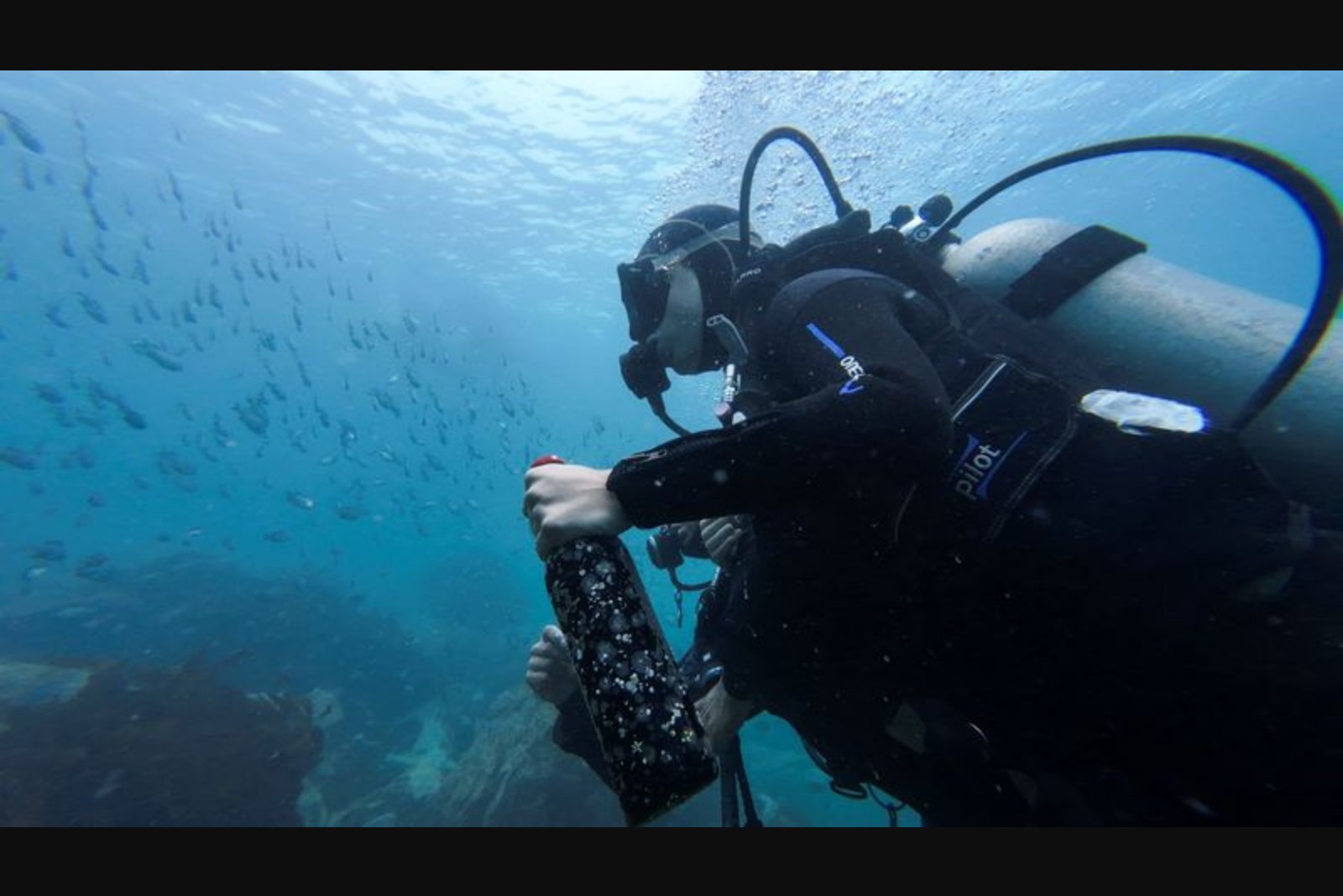
Off the coast near the small island of Locos in northern Chile, divers are stocking bottles of wine into metal cages installed on the seabed as part of a new underwater storage program. The operation seeks to recreate the conditions of an underground wine cellar by using the sea's consistent environment.
The site around Locos offers a steady year-round temperature of about 11 degrees Celsius (52 degrees Fahrenheit), combined with negative pressure and moderated light levels. Those factors, the project team says, approximate the so-called cave effect produced by traditional subterranean cellars.
"We are gradually finding certain products that work very well underwater," said Alejandro Soza, director of the ODC diving center in the Coquimbo region, whose company Cava Indus 8 is behind the initiative. According to the program, bottles are submerged at depths ranging from 10 to 20 meters (33 to 66 feet) for periods of eight months to a year.
The bottles rest surrounded by calcareous sediments on the sea floor, an environment the organizers describe as stable and protective - conditions that they argue are conducive to long-term aging. The setup is intended to deliver a uniform thermal and light regime and to shield the bottles from fluctuating surface conditions.
During a tasting held at the diving center, Brazilian sommelier Luana Balbine sampled one of the underwater-aged wines and reported sensory differences. "The tannins feel smoother, softer, the body feels more elegant," she said.
The initiative's team notes that white and cool-climate grape varieties appear to respond most favorably to the underwater aging process. They specifically cited Chardonnay, Sauvignon Blanc and Pinot Noir as varieties that react well, while also indicating the method can be applied to other grapes.
While the practice of preserving wine underwater has been used elsewhere for decades, this project is novel for Chile. The country is described in the project materials as one of the world's top wine exporters, where the wine industry plays a central role in national identity and contributes significantly to the economy.
Summary
Divers working with Cava Indus 8 and the ODC diving center are storing wines in metal cages on the sea floor near Locos, Chile, to replicate underground cellar conditions. Bottles are placed 10-20 meters deep for eight months to a year in calcareous sediments, producing a steady environment that has shown sensory effects such as softer tannins. White and cool-climate varieties have been highlighted as especially responsive.