
World March 12, 2026

Canada and Mexico Emphasize Trilateral USMCA Role as Washington Signals Bilateral Interest

Officials in Mexico City reaffirm USMCA priority amid U.S. probes into forced labor and industrial overcapacity

By Priya Menon
Canada and Mexico Emphasize Trilateral USMCA Role as Washington Signals Bilateral Interest

Canadian and Mexican officials told a Mexico City conference that preserving the trilateral U.S.-Mexico-Canada trade arrangement is a priority, even as the U.S. administration launches investigations into alleged forced labor and industrial overcapacity among 16 trading partners and signals possible interest in bilateral agreements. Mexico says most of its trade is covered by USMCA and therefore outside the scope of Section 301 inquiries.

Key Points

  • Canadian and Mexican officials said maintaining the trilateral USMCA is a priority; this impacts trade policy and diplomatic coordination among North American partners.
  • The U.S. announced investigations into alleged forced labor and industrial overcapacity among 16 trade partners, a move that can affect manufacturing and trade flows.
  • Mexico is identified as a possible target for a Section 301 inquiry into excess capacity, while Canada was not listed; this distinction has implications for bilateral trade exposure.

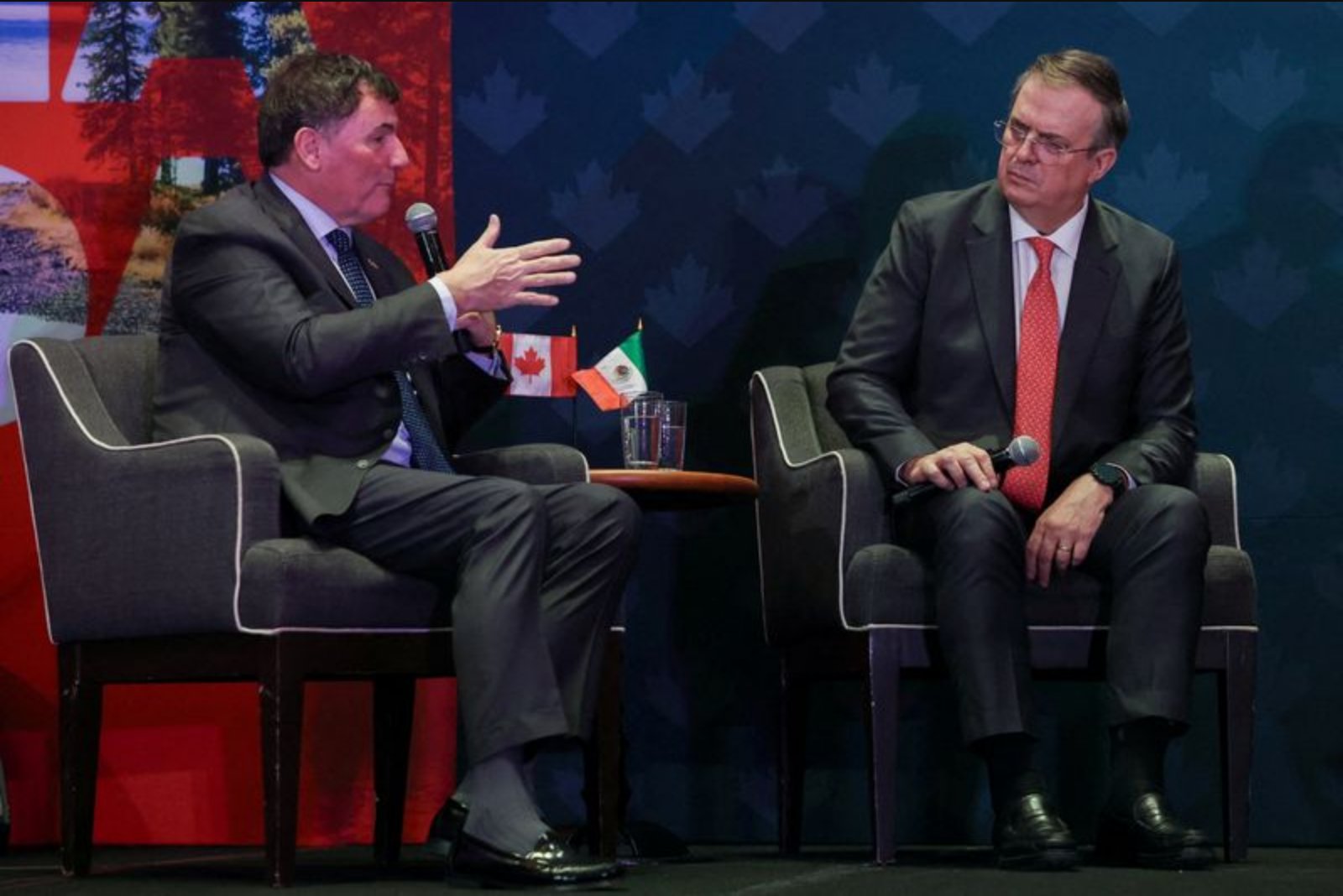
MEXICO CITY, March 12 - Senior Canadian and Mexican trade officials reiterated on Thursday that keeping the three-way U.S.-Mexico-Canada trade framework intact is a central objective for their governments, speaking at a conference in Mexico City as Washington indicates it may pursue bilateral arrangements instead.

Canada's ambassador to Mexico, Cameron MacKay, and Mexico's deputy trade secretary, Luis Rosendo Gutierrez, both told attendees that sustaining the trilateral United States-Mexico-Canada Agreement is a priority. Their remarks came against the backdrop of new actions announced by the U.S. administration.

On Wednesday, the U.S. government opened two separate trade investigations that target alleged use of forced labor and industrial overcapacity among 16 major trading partners. Those investigations are intended to reintroduce tariff-related pressure following a recent Supreme Court decision that invalidated substantial parts of the administration's trade program.

Mexico is listed among the countries that could be examined under an inquiry into excess capacity conducted under Section 301 of the Trade Act of 1974, a statutory mechanism that allows the United States to investigate foreign trade practices it considers unfair. The Section 301 probe focuses on industrial overcapacity as a potential basis for trade measures.

Mexican Economy Minister Marcelo Ebrard sought to minimize concerns about immediate economic repercussions, stating that the majority of Mexico's commerce is conducted under the USMCA and therefore falls outside the scope of Section 301 actions. The U.S. announcement did not include Canada among the countries identified as potential targets of the investigations; Canada is the United States' second-largest trade partner after Mexico.


These developments highlight an active moment in North American trade policy as officials from the three countries prepare to review the rules that govern their shared commercial relationship.

Conference highlights

  • Top Canadian and Mexican trade diplomats publicly stressed the priority of the trilateral trade pact.
  • The U.S. launched probes into alleged forced labor and industrial overcapacity affecting 16 trading partners.
  • Mexico is among those that could face a Section 301 investigation into excess capacity; Canada was not listed.

Risks

  • Section 301 investigations could lead to renewed tariff pressure on countries identified, posing risks to exporters and manufacturing sectors in affected economies.
  • Signals that Washington may favor bilateral agreements introduce uncertainty for the USMCA's trilateral framework and for businesses reliant on consistent North American trade rules.
  • Legal and policy shifts following the Supreme Court ruling that curtailed parts of the administration's trade program create an environment of regulatory uncertainty for trade-dependent industries.

More from World

Trump Order Seeks to Preserve Exclusive TV Slot for Army-Navy Game Mar 21, 2026 Family Clings to Hope After Butcher Vanishes Following Strike on Commercial Complex Mar 21, 2026 Three Weeks In, Iran Conflict Tests U.S. Control and Strains Global Energy and Alliances Mar 21, 2026 Trump peace board delivers written disarmament plan to Hamas amid stalled talks Mar 21, 2026 U.S. Deploys MQ-9 Drones and 200 Troops to Nigeria for Intelligence and Training Support Mar 21, 2026