
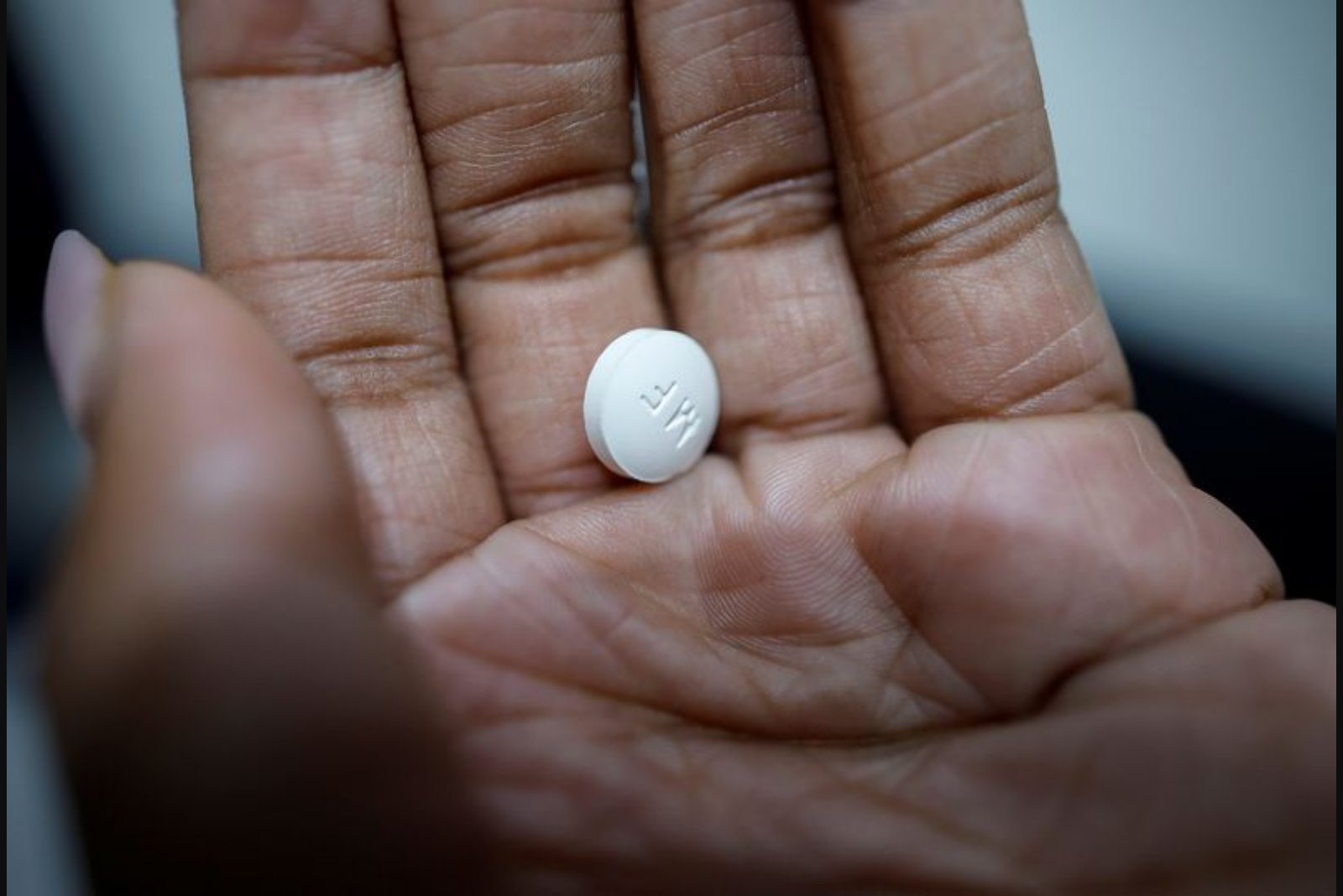
A Texas man has brought an amended federal complaint accusing a California physician of prescribing abortion-inducing medication to his partner and seeks to stop the doctor from mailing such drugs into Texas. The lawsuit, filed in the U.S. District Court for the Southern District of Texas in Galveston, appears to be the first private enforcement action under a Texas statute that went into effect in December and authorizes state residents to sue abortion providers for alleged violations.
The plaintiff, identified as Jerry Rodriguez in the court filing, is pursuing claims against Dr. Remy Coeytaux. Rodriguez previously sued Coeytaux last year in a wrongful death action alleging his partner used abortion medication the doctor prescribed without his consent. The amended complaint adds violations under Texas HB 7, a law that bans the prescribing, transporting, mailing and delivery of abortion-inducing drugs and establishes a private right of action for state residents.
Rodriguez is seeking civil penalties of at least $100,000 for each violation he can establish under HB 7. The amended filing asks the court to enjoin Coeytaux from continuing to allegedly mail abortion drugs to patients in Texas.
Attorneys in the case include Jonathan Mitchell, a former Texas solicitor general who represents Rodriguez. Mitchell has been associated with prior Texas legislation aimed at restricting abortions - notably a 2021 law that barred aiding or abetting abortion and included an unprecedented private right for citizens to sue. HB 7’s private enforcement provision is built on that 2021 law but permits civil penalties up to 10 times larger than those previously available, according to the court pleadings. Mitchell did not immediately respond to a request for comment.
Coeytaux is represented by the Center for Reproductive Rights. The organization said the filing is the first private lawsuit brought under HB 7. Nancy Northup, the group's president and CEO, criticized the statute in a statement, saying: "Texas officials have already been going after doctors outside their borders, and now they’ve incentivized private citizens to do their bidding."
The litigation adds to a wider legal contest over mifepristone, the abortion drug that is used in about 60% of U.S. abortions, and follows other efforts by Republican-led states to curtail its availability after major changes in federal and state abortion jurisprudence. The case also intersects with state-level shield laws intended to protect health care providers from out-of-state investigations and prosecutions.
California has enacted such protections, commonly described as a "shield law," to prevent the state's health care providers from being subject to enforcement actions by other states. More than a dozen other Democratic-led states have adopted similar statutes. The amended complaint in the Galveston court could therefore test the extent to which California’s shield law protects physicians who prescribe abortion medication to patients in other states.
Coeytaux has faced related litigation outside of Texas. The doctor has been indicted in Louisiana on allegations of prescribing mifepristone to women there. California Governor Gavin Newsom said last month that California would not extradite Coeytaux to Louisiana in response to those charges.
Legal experts and observers note a contrast between wrongful death claims against health care providers and the statutory enforcement standard established by HB 7. Wrongful death lawsuits typically require plaintiffs to prove negligence or a departure from established standards of medical care, and that such conduct directly caused a death. By contrast, HB 7’s civil action requires only proof that a defendant engaged in conduct prohibited by the law, creating a different evidentiary pathway for plaintiffs seeking penalties under the statute.
The Texas attorney general’s office has also been active in enforcing HB 7. Last week that office filed a lawsuit against a nurse practitioner in Delaware alleging violations of the Texas statute. Previously, the attorney general’s office obtained a $100,000 judgment against a New York physician accused of prescribing abortion drugs in violation of the 2021 statewide ban; that office is attempting to enforce that judgment in New York while appealing a judge’s ruling that dismissed the enforcement action on the basis of New York’s shield law.
Case caption: Rodriguez v. Coeytaux, U.S. District Court for the Southern District of Texas, No. 3:25-cv-00225.