
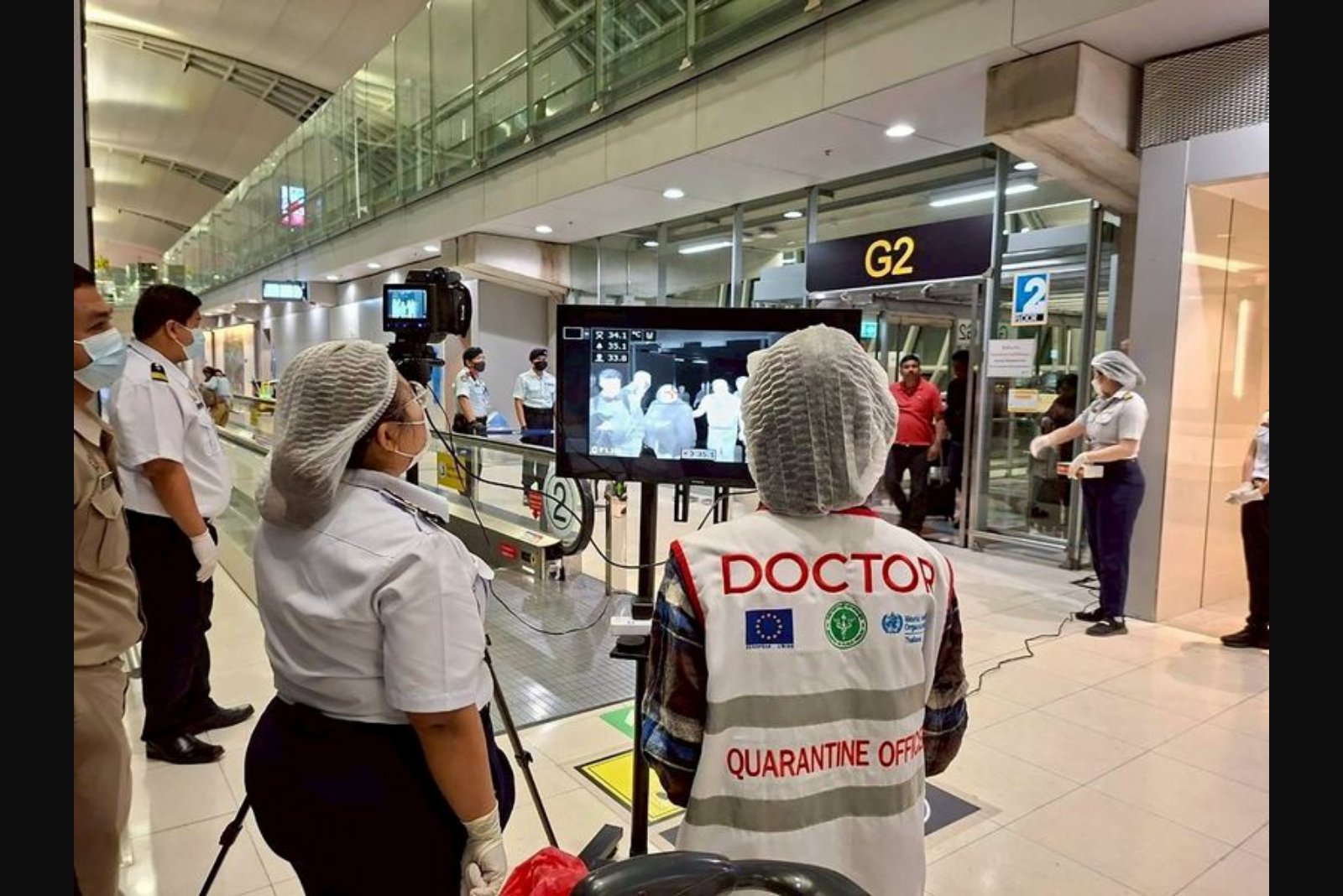
Public health agencies across several Asian economies have moved quickly to institute screening procedures at airports and ports in response to two confirmed Nipah virus infections in eastern India, officials said. The cases, reported in late December in the state of West Bengal, have prompted neighbouring and regional authorities to increase vigilance at points of entry, trace contacts and institute targeted measures for travelers arriving from affected areas.
Regional measures and screening
Singapore's Communicable Diseases Agency announced it will carry out temperature screening for passengers arriving on flights from parts of India linked to the confirmed infections. The city's manpower ministry is also intensifying surveillance of newly arrived migrant workers from South Asia and is engaging primary care providers to raise awareness and detection capacity. Officials said they are communicating with counterparts in South Asia and working toward establishing a global platform for reporting genome sequencing of detected cases.
At Hong Kong International Airport, the airport authority said it is facilitating enhanced health screening led by the health department, including temperature checks at gates for passengers arriving from India. Thailand has assigned designated parking bays for aircraft arriving from areas with reported Nipah infections and requires incoming travelers to complete health declarations before completing immigration procedures.
Malaysia's health ministry has said it is strengthening preparedness through health screening at international ports of entry, focusing on arrivals from countries considered at risk. Nepal, sharing a busy border with India, has declared a high alert and tightened screening for travelers at border points. China's disease control authority reported no detected cases within its borders but cautioned about the risk of imported infections, according to state media.
Cases in India and contact tracing
Local health officials in West Bengal reported that the two individuals who tested positive are health workers receiving treatment at a local hospital. Indian authorities have identified and traced 196 contacts connected to the two cases; none of those contacts have displayed symptoms and all have tested negative for the virus, the Indian health ministry said in a statement. The ministry also warned against the spread of speculative or incorrect figures about Nipah cases and said enhanced surveillance, laboratory testing and field investigations helped ensure timely containment of the infections.
About Nipah and public health concerns
The World Health Organization classifies Nipah as a priority pathogen because of its capacity to trigger rapid outbreaks, its reported fatality rate of 40% to 75%, and the absence of an approved vaccine or cure. Carried by fruit bats and transmitted by animals such as pigs, the virus can cause a severe brain‑swelling fever in humans and is capable of spreading directly from person to person through close contact. Several vaccines are under development but remain in the testing phase.
The virus has been identified periodically in India, with repeated sporadic infections reported, particularly in the southern state of Kerala, which has been considered among the world’s most at-risk regions for Nipah outbreaks. The virus has been associated with the deaths of dozens of people in Kerala since cases were first recorded there in 2018. The recent West Bengal cases mark that state's first known infections in nearly 20 years; local media reported five fatal infections there in 2007.
Containment, surveillance and information sharing
Authorities cited in the region emphasised enhanced surveillance, laboratory testing and field investigations as key elements of their response. Several jurisdictions highlighted cooperation with regional counterparts and the need for timely data sharing, including genome sequencing reports, to better understand detected infections.
Health officials and border agencies in the affected and neighbouring countries are monitoring arrivals from India and other areas with reported infections. Measures put in place vary by jurisdiction but commonly include temperature checks, health declarations, designated aircraft parking areas and targeted follow-up of specific traveler groups such as migrant workers.
Outlook and limitations
Public health authorities note that while the two confirmed infections in West Bengal are under treatment and identified contacts remain asymptomatic with negative tests to date, monitoring and preventive measures at points of entry remain active. Officials have cautioned against unverified reports and emphasised that laboratory testing and fieldwork have been central to the response efforts.
Summary of key developments
- Two Nipah virus infections recorded in West Bengal in late December involved health workers who are being treated in hospital settings.
- India traced 196 contacts related to the cases; none have exhibited symptoms and all have tested negative, according to the health ministry.
- Singapore, Hong Kong, Thailand, Malaysia, Nepal and Chinese authorities have enacted or signalled heightened screening and surveillance measures at airports and border crossings to reduce the risk of international spread.