
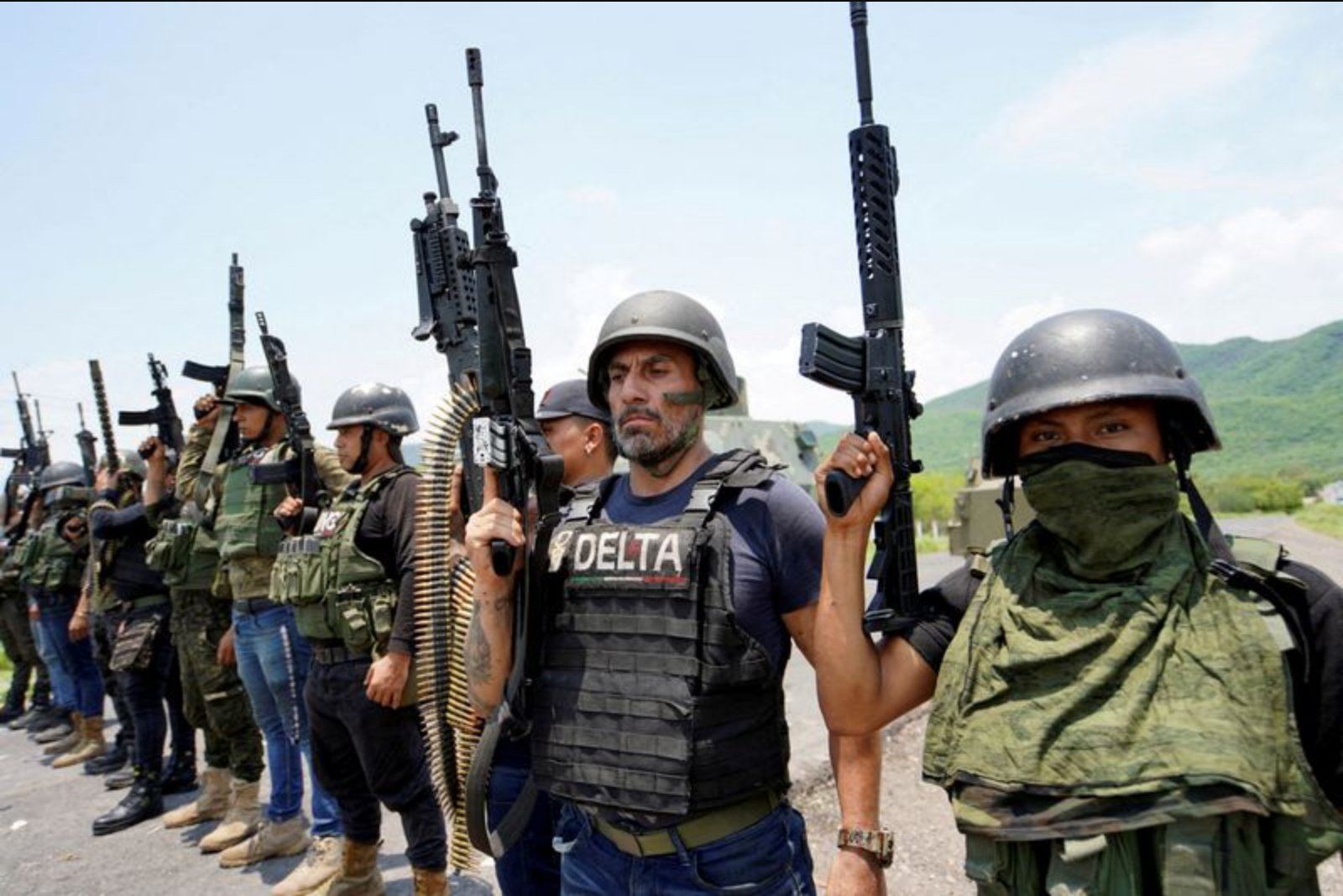
Argentina's government has formally listed the Jalisco New Generation Cartel (CJNG) as a terrorist organization, a step announced by the office of President Javier Milei on Thursday. Officials said the decision rests on official reports documenting the cartel's "illicit transnational activities" and connections to other terrorist groups, and that the designation will enable financial sanctions and operational restrictions intended to curb CJNG's capacity to operate inside Argentina.
The CJNG is one of Mexico's most powerful and violent criminal networks and has been linked in official accounts to large-scale fentanyl trafficking, extortion and attacks on Mexican security forces. In February, the cartel's leader, Nemesio Oseguera - also known as "El Mencho" - was killed during a surprise operation conducted by the Mexican army with intelligence support from the United States, according to the government announcement included in the Argentine statement.
The Argentine move places Buenos Aires closer to U.S. policy on the cartel. The administration of U.S. President Donald Trump last year designated CJNG as a foreign terrorist organization as part of broader efforts to target major Mexican cartels. Argentina, under President Milei, has already designated Hamas and Iran's Quds Force as terrorist organizations, and officials framed the CJNG decision as a response to evidence of the group's cross-border illegal activities.
Argentina's designation carries practical measures: financial sanctions and constraints on operations within the country are now authorized. The government said those tools are designed to limit the cartel's ability to function in Argentina, using the investigative reports that formed the basis for the decision.
The move comes amid pressure on Mexico from Washington to intensify action against drug cartels. Mexican President Claudia Sheinbaum has faced increased calls from U.S. officials to expand the offensive against these criminal organizations. Mexico has traditionally resisted labeling its domestic criminal organizations as terrorists, arguing that their motivations are profit-driven rather than political, and thus differ from groups already on terrorist lists.
Requests for comment were not immediately answered by key external actors: the U.S. State Department did not immediately respond to a request for comment, and spokespeople for Mexico's foreign ministry and for President Sheinbaum did not immediately have comments.
This designation marks a notable alignment of Argentine policy with a U.S. approach toward the CJNG and adds legal tools for Argentina to disrupt the cartel's alleged transnational networks and financial flows. How those tools will play out in practice remains subject to enforcement and diplomatic dynamics between the countries involved.