
Amnesty International has warned that fans travelling to the 2026 World Cup confront significant human rights dangers, suggesting the tournament is drifting away from the "safe, free and inclusive" event FIFA pledged when awarding the finals. With just over 10 weeks before the June 11 kickoff in Mexico, the rights group singled out the United States - which will host roughly three-quarters of the matches - as facing a "human rights emergency" driven by mass deportations, intensified immigration enforcement and limits on the right to protest.
"There are huge risks around this tournament," Steve Cockburn, Amnesty's head of economic and social justice, told Reuters. "This does not feel like ... the safe, free, and equal World Cup and the inclusive World Cup that was promised eight years ago when it was awarded, but also may be quite different from how it felt even just 18 months ago. It's a deeply troubling time in the U.S., which will certainly extend to fans who want to take part in World Cup celebrations."
Concerns in the United States
Amnesty highlighted that more than 500,000 people were deported from the United States last year - a figure the group contrasted with the capacity of New Jersey's MetLife Stadium, the planned venue for the final, saying the deportation total is more than six times that stadium's capacity. The organisation said mass arrests and deportations conducted by U.S. Immigration and Customs Enforcement (ICE) and other agencies have caused social disruption and raised the risk that enforcement actions could spill into areas and events associated with the World Cup, including stadiums, fan zones and watch parties.
Amnesty urged FIFA to wield its "enormous leverage" with the administration of U.S. President Donald Trump to obtain public commitments that immigration enforcement would not occur around World Cup-related locations. "We need clear assurances there will be no ICE presence around venues so people can attend without fear of arbitrary arrest or deportation," Cockburn said. He also called on authorities to pledge that planned protests will be allowed and facilitated.
The organisation asked that travel bans affecting supporters from Senegal, Ivory Coast, Haiti and Iran be lifted and that specific safeguards be implemented for LGBTQ+ fans.
Mexico - militarisation and protest risks
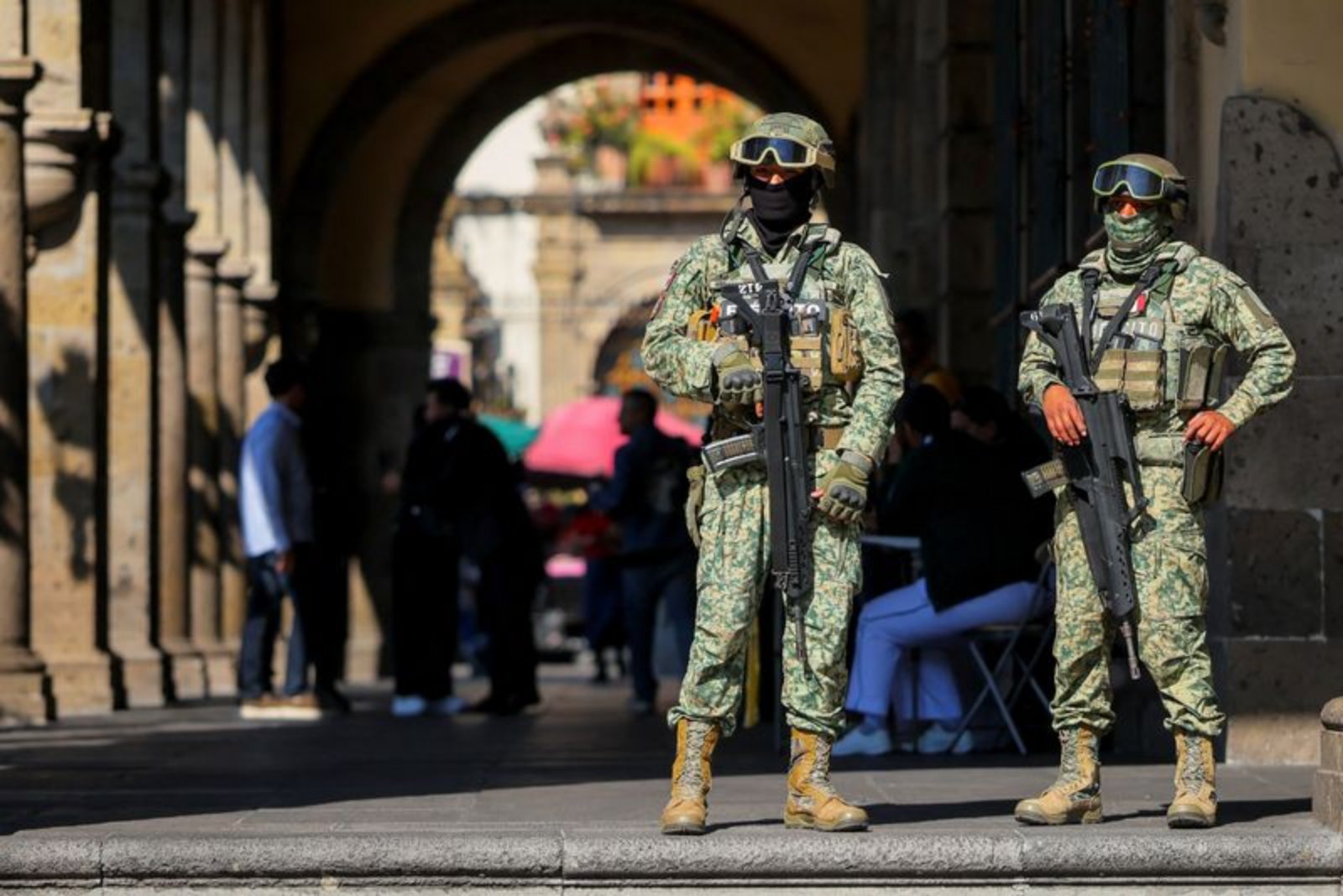
In Mexico, authorities have announced deployment plans that Amnesty said would involve about 100,000 security personnel, including 20,000 troops. The organisation warned that such heavy militarisation increases the likelihood of human rights abuses and the suppression of protests. Cockburn cited Mexico's history of violations associated with military deployments, including enforced disappearances and torture, as a basis for concern.
Local resistance has already emerged in host cities, the group said, with residents objecting to gentrification, housing displacement and shortages of water that they link to World Cup preparations. Amnesty noted that on the tournament's opening day in Mexico City, women's groups intend to march to demand justice for relatives who have disappeared. The group said it wanted FIFA, Mexican security forces and government authorities to ensure that the planned demonstration can proceed and receive attention.
Canada - displacement and shelter closures
Amnesty warned that preparations in Canada could exacerbate the plight of people experiencing homelessness in host cities. The organisation expressed concern that efforts to "beautify" Vancouver and Toronto ahead of the tournament might involve the forced removal of encampments, recalling actions taken during past major sporting events. Amnesty pointed to the recent closure of a winter warming centre used by homeless people in Toronto after the venue was booked for FIFA-related activities as an example of the pressures the tournament can place on vulnerable populations.
Government responses
A White House spokesperson emphasised the economic upside of staging the World Cup, saying: "This event will generate billions of dollars of economic impact and bring hundreds of thousands of jobs to our country. The President is focused on making this the greatest World Cup ever while ensuring it is the safest and most secure in history."
Canada's Office of the Minister of Public Safety said the country was committed to hosting a World Cup "that reflects our values of respect for human rights, inclusion, and the rule of law" and that it was engaged with government, law enforcement and community organisations to ensure the tournament is "secure, fair, and welcoming for everyone." There was no immediate response from Mexican authorities at the time of Amnesty's statements.
Advice to fans
Amnesty urged supporters to inform themselves about the risks and their rights before travelling. "We're not saying don't go. We're not saying don't enjoy it," Cockburn said. "I really hope the fans do go and enjoy it. But it's been about knowing the reality and making those judgements."
The organisation's appeals to FIFA include securing written guarantees that immigration enforcement will not be conducted around tournament venues and that protests and demonstrations will be permitted. Amnesty also called for the lifting of bans on fans from specified countries and for measures to protect LGBTQ+ attendees.
Context and implications
Amnesty's warnings place public-safety and human-rights concerns at the centre of preparations for a major international sporting event. The group's demands focus on protections that would allow fans and demonstrators to participate in events without fear of detention, deportation or suppression. The alerts cover three host nations - the United States, Mexico and Canada - and reflect distinct risks in each: targeted immigration enforcement in the United States, large-scale security deployments in Mexico, and potential displacement of vulnerable populations in Canada.
Amnesty's commentary comes with little more than 10 weeks remaining before the scheduled kickoff in Mexico, underscoring the urgency of the group's calls for public assurances and concrete safeguards ahead of the tournament.