
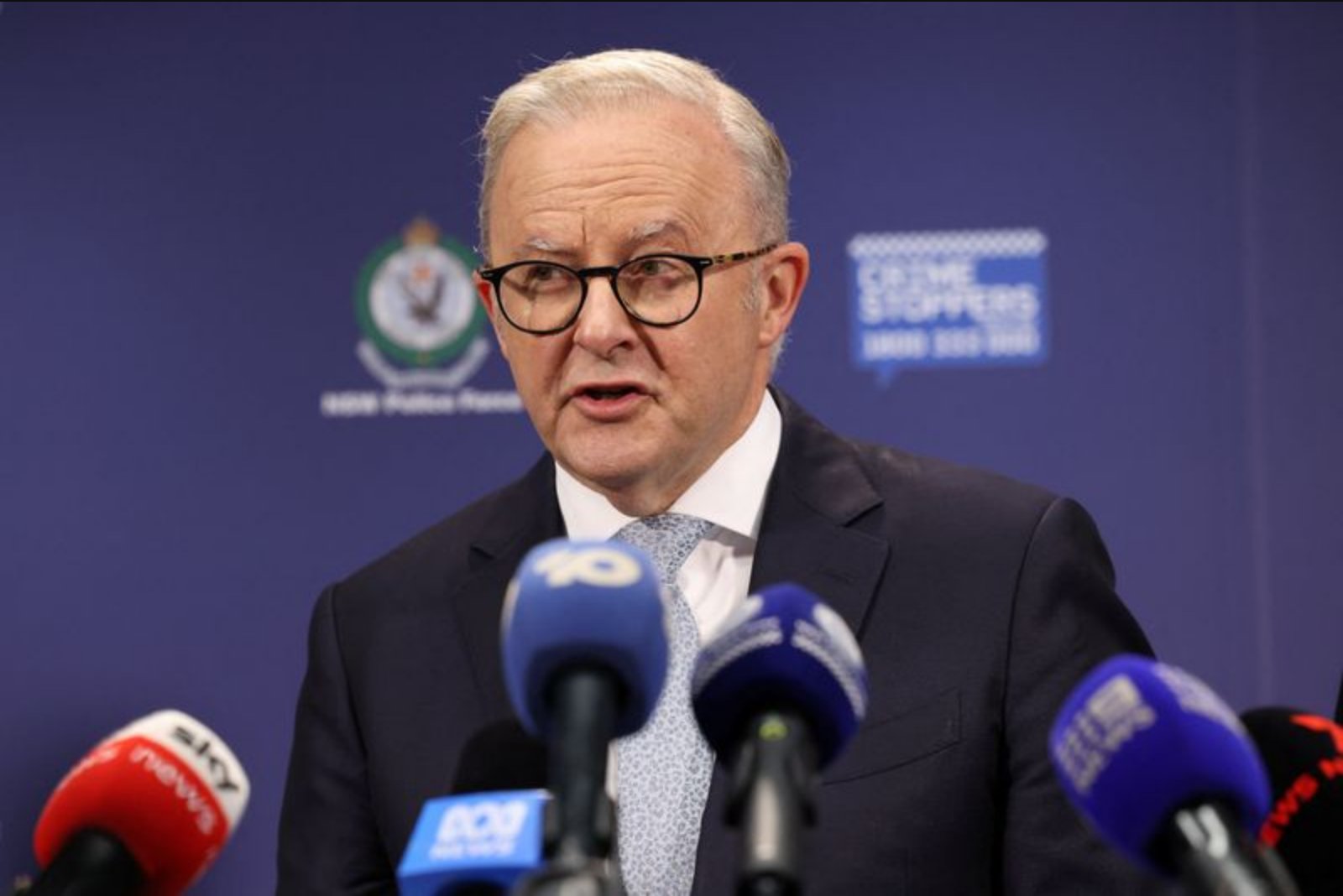
Prime Minister Anthony Albanese will speak directly to Australians on Wednesday evening about the ongoing war in the Middle East, with media reporting that he will ask households to conserve fuel.
The address is scheduled for 7 p.m. local time and will be broadcast simultaneously across major television and radio networks at 7 p.m. (0800 GMT). Public addresses of this nature by Australian prime ministers have been used in prior national emergencies, including during the COVID pandemic and the 2008 global financial crisis.
Asked about the address in an interview on Sky News, Housing Minister Clare O'Neil described the move as consistent with how prime ministers act in times of significant challenge. She said, "Australian prime ministers traditionally address the nation in times of great challenge." O'Neil added that the prime minister would outline "the status of what’s going on in Iran and the plans that the government has to protect the Australian community from the worst."
A spokesperson for Albanese declined to comment on the specific contents of the planned remarks ahead of the broadcast.
The conflict, now in its month-long phase, has widened across the region and has, according to reports, resulted in thousands of deaths. It has also disrupted energy supplies and raised concerns about potential damage to the global economy.
In recent domestic steps to blunt the immediate financial impact of the war on households, Albanese announced on Monday that the government would halve the excise on petrol and diesel and suspend the heavy-road-user charge for three months. The package is intended to help families cope with rising costs linked to the conflict and is estimated to cost the government about A$2.55 billion ($1.75 billion).
Despite Australia holding its highest fuel stocks in 15 years, those reserves remain well below the International Energy Agency recommendation of 90 days.
On Wednesday Treasurer Jim Chalmers said the government would also ease access to credit for small businesses affected by the conflict. Speaking to reporters, he said, "We know that the fallout is affecting everyone, but we believe that by working together, if everybody does their bit, we can get through this difficult period."
The prime minister's address will provide an opportunity for the government to set out its assessment of regional developments and reiterate the measures it says are in place to shield Australians from the worst impacts of the crisis.