
World March 30, 2026

Albanese Seeks Clear U.S. Objectives and De-escalation in Iran War

Australian leader asks President Trump for clarity on war aims as conflict fuels regional spread and energy disruptions

By Caleb Monroe
Albanese Seeks Clear U.S. Objectives and De-escalation in Iran War

Australian Prime Minister Anthony Albanese said on March 30 he wants greater clarity from U.S. President Donald Trump on the goals of the ongoing war in Iran and urged steps toward de-escalation. The conflict, which escalated after an initial Israeli strike on February 28 that killed Iran's Supreme Leader Ayatollah Ali Khamenei and led to the succession of his son Mojtaba, has spread across the Middle East, caused thousands of deaths and triggered severe disruptions to global energy supplies. Australia has deployed aircraft to help defend the United Arab Emirates at its request but has declined to send naval vessels to assist in reopening the Strait of Hormuz.

Key Points

  • Australian Prime Minister Anthony Albanese publicly asked U.S. President Donald Trump for clearer objectives regarding the war in Iran and called for de-escalation; this touches on diplomatic and security policy.
  • The conflict followed an initial Israeli strike on February 28 that killed Iran's Supreme Leader Ayatollah Ali Khamenei, who was then replaced by his son Mojtaba; the fighting has spread across the Middle East and resulted in thousands of deaths.
  • Widespread disruption to energy supplies has been reported and the global economy has been affected; Australia has sent aircraft to support the United Arab Emirates but declined to send naval ships to assist in reopening the Strait of Hormuz.

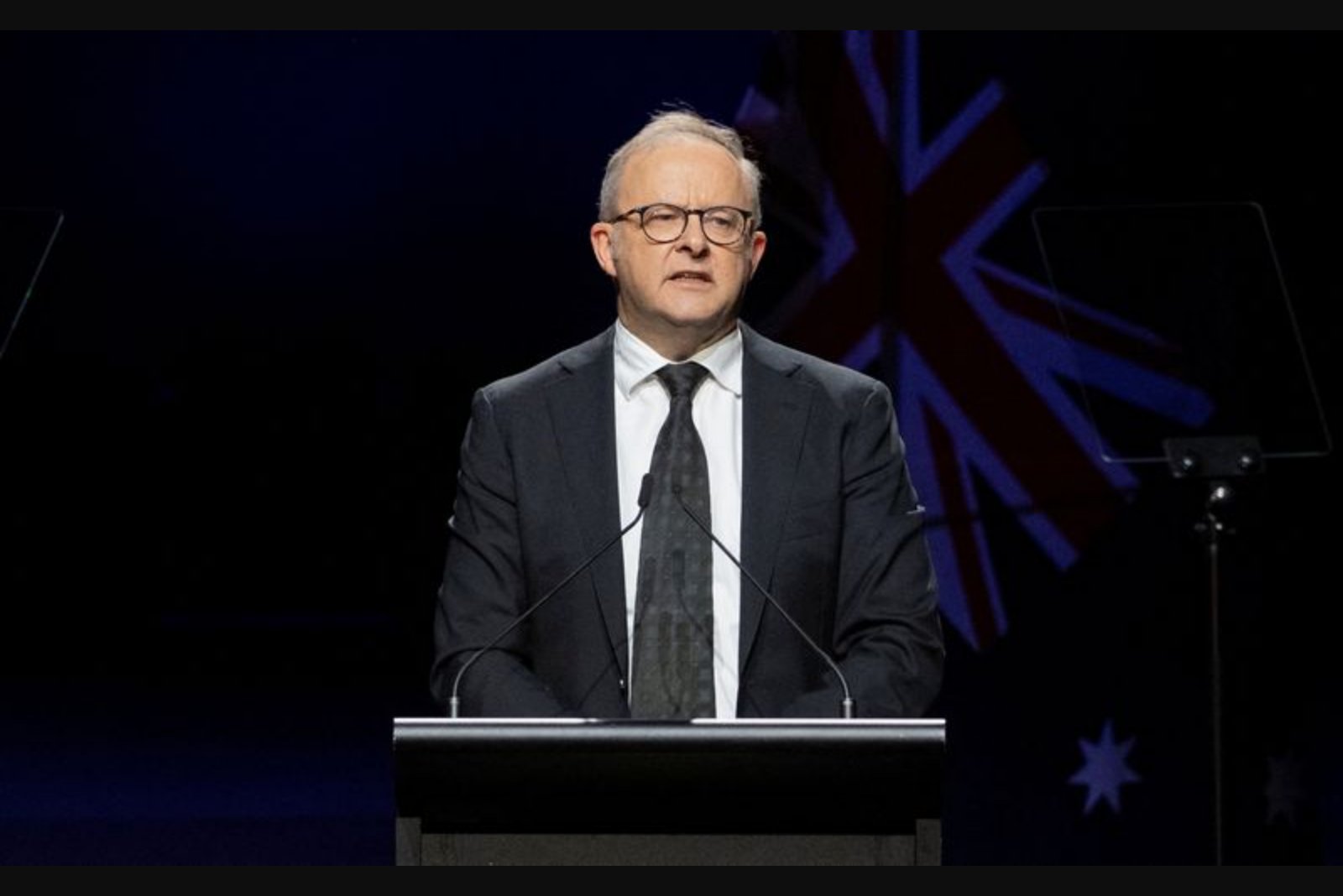
SYDNEY, March 30 - Australian Prime Minister Anthony Albanese on Monday said he sought clearer articulation from U.S. President Donald Trump about what the United States aims to achieve in the ongoing war in Iran, and stressed the need for a reduction in tensions.

Addressing a question about his assessment of how the conflict is being conducted, Albanese said he wanted more certainty on the objectives and expressed a desire for de-escalation. Quoting his remarks:

"I want to see more certainty in what the objectives of the war are and I want to see a de-escalation," Albanese said.

The conflict intensified following an initial Israeli strike on February 28 that killed Iran's Supreme Leader Ayatollah Ali Khamenei; the leadership transition saw his son Mojtaba assume the role. Since then, the war has spread across the Middle East, with reports that it has killed thousands and created what the reporting calls the biggest disruption ever to energy supplies, effects that have reverberated through the global economy.

Australia has taken limited defensive measures in response to the regional instability. At the request of the United Arab Emirates, Canberra has provided aircraft to assist with that country's defence. However, the Australian government has drawn a line at deploying naval assets to the region, ruling out sending ships to help reopen the Strait of Hormuz.

Albanese's call for clarity from Washington underscores a demand for defined objectives amid a conflict that has wide economic and security implications. The combination of leadership change in Iran, the expanding geographic reach of the fighting and acute disruption to energy flows are central facts framing Canberra's response.


Contextual facts from reporting:

  • An initial Israeli strike on February 28 killed Iran's Supreme Leader Ayatollah Ali Khamenei; he was replaced by his son Mojtaba.
  • The war has spread across the Middle East, killed thousands, and caused major disruption to energy supplies, affecting the global economy.
  • Australia supplied aircraft to assist the United Arab Emirates at its request but declined to send naval ships to assist in reopening the Strait of Hormuz.

Given the scale of reported energy disruption and the regional spread of the conflict, statements from allied leaders seeking clearer objectives and de-escalatory steps reflect concern about both security and economic fallout. Albanese's position signals that, while Australia will assist at the request of partners, it is cautious about broader military commitments in maritime operations tied to shipping routes such as the Strait of Hormuz.

Risks

  • Continued escalation of the conflict could sustain or worsen disruptions to energy supplies, affecting energy markets and global economic stability - impacting energy and broader financial markets.
  • Regional spread of hostilities raises security risks that may require further defensive commitments from countries in the region, influencing defence spending and logistics for allied nations - impacting the defence sector and shipping.
  • Ambiguity around the objectives of the war may complicate diplomatic coordination among allies and hinder efforts to de-escalate, prolonging market uncertainty and supply-chain disruption - impacting trade and international markets.

More from World

Inside Artemis II: A day-by-day roadmap for NASA’s crewed lunar test flight Mar 30, 2026 Northern Focus, Everyday Needs: Locals Question Military Build-Out in Canada's Arctic Mar 30, 2026 Kosovo Agrees to Join U.S.-Led International Force in Gaza Mar 30, 2026 Ukraine Seeks Gulf Buyers for Interceptor Drones as Iran Conflict Sharpens Demand Mar 30, 2026 A Father’s Gamble: From Lebanon’s Failing Care to a Life-Saving Transplant in Greece Mar 30, 2026