
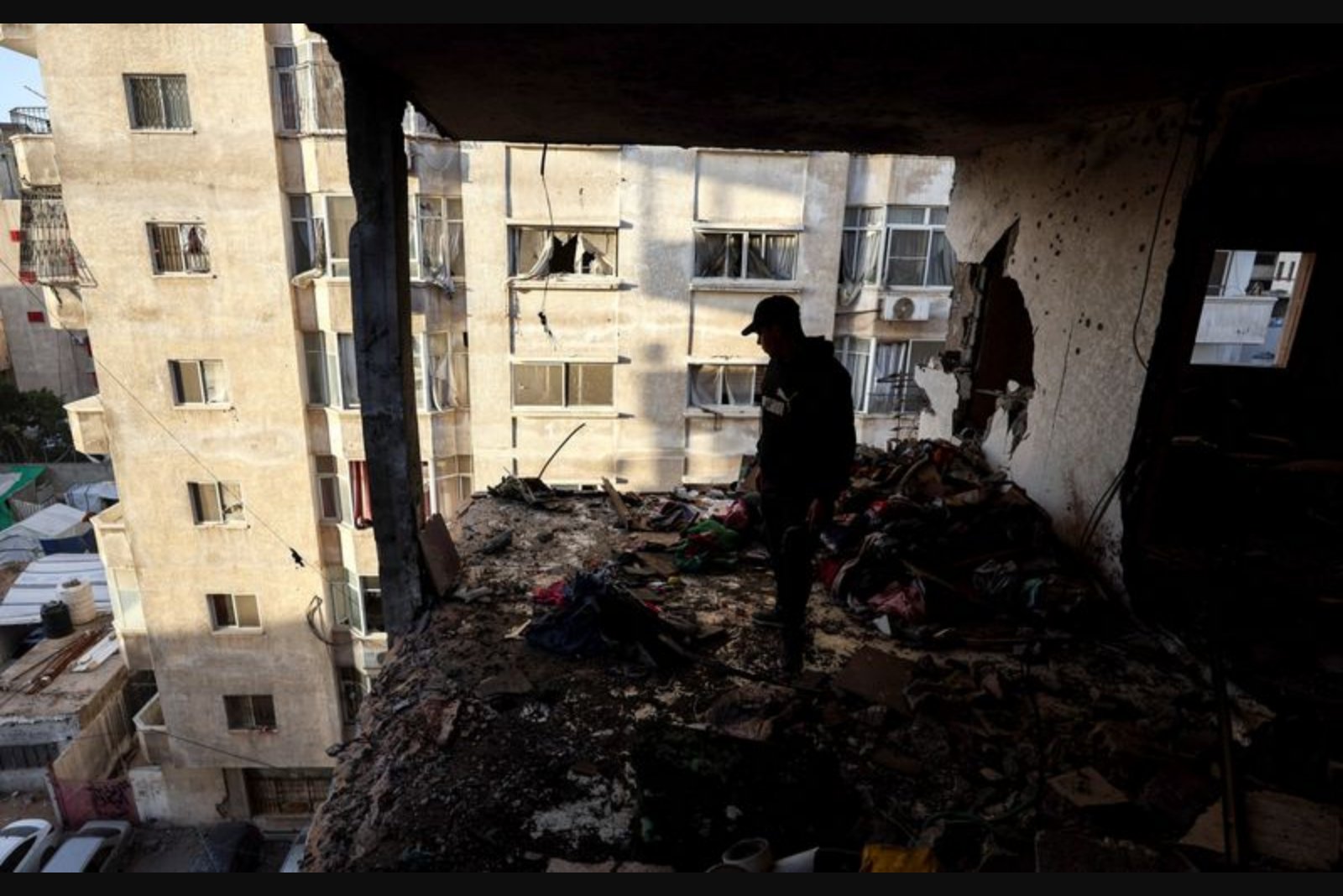
GAZA, Jan 31 - Israeli air raids in the Gaza Strip killed a minimum of 12 people, the Palestinian health ministry reported, with children among those confirmed dead in the latest violence that has strained a fragile ceasefire.
According to family members and the Palestinian news agency WAFA, one strike struck an apartment block in Gaza City and resulted in the deaths of three children and two women. WAFA also reported a separate strike that hit a tent in Khan Younis, further to the south.
The Israeli military said it was examining the reports and did not immediately confirm whether it had conducted the strikes in the territory. Visual material circulated following the incident in Gaza City showed charred and blackened walls in an apartment within a multi-storey building, with debris scattered both inside the unit and onto the street outside.
"We found my three little nieces in the street, they say ceasefire and all, what did those children do, what did we do?" said Samer al-Atbash, a relative.
Gaza health authorities report that Israeli fire has killed more than 500 people since a U.S.-brokered truce between Hamas and Israel took effect in October after two years of war. The health authorities say most of those killed have been civilians.
Israeli officials report that Palestinian militants have killed four Israeli soldiers since the ceasefire began. The two sides have repeatedly exchanged accusations of violating the truce, even as Washington urges progress toward implementing additional stages of the ceasefire agreement designed to bring the war to a permanent close.
In a related development, the Israeli military said that on Friday its forces identified eight gunmen emerging from a tunnel in Rafah, in southern Gaza. The military said three of those individuals were killed and a fourth, whom it described as a key Hamas commander in the area, was taken into custody.
The next phase of the U.S. President Donald Trump’s plan referenced in talks around the ceasefire contains complex elements, including the disarmament of Hamas - a demand the group has long rejected - further withdrawal of Israeli forces from Gaza and the deployment of an international peacekeeping force. Differences over these issues remain central to negotiations aimed at moving the ceasefire toward a more durable settlement.
Gaza’s principal land gateway, the Rafah crossing with Egypt, which has been largely closed during the conflict, was expected to reopen on Sunday. The reopening of the crossing is one of the elements tied to easing restrictions on movement into and out of the territory, though implementation and timing have been part of ongoing discussions.
The immediate human toll from these strikes and the continuing incidents of cross-border violence underscore the fragility of the current truce and the challenges facing efforts to advance the remaining phases of the ceasefire agreement.