
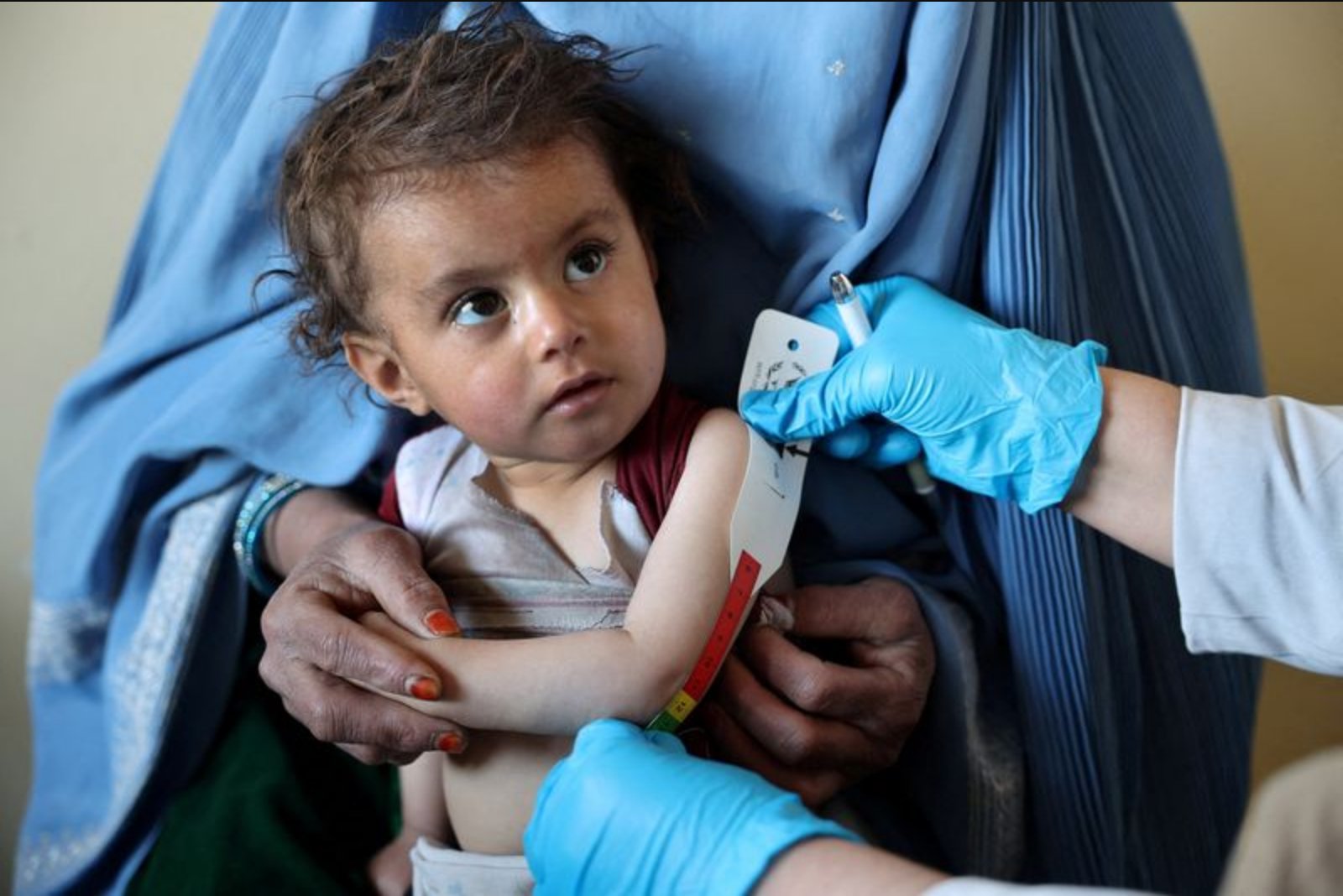
Afghanistan is set to implement a $100 million food security initiative supported by the United Nations and the Asian Development Bank, officials said as the country faces a deepening hunger emergency. The two-year programme is intended to reach more than 151,000 families, targeting Afghan returnees from Iran and Pakistan as well as people affected by recent earthquakes and floods.
Scope and objectives
The United Nations described the programme as both an emergency response and a measure to rebuild agricultural capacity over time. Qu Dongyu, director of the U.N.'s Food and Agriculture Organization (FAO), said the project will "address immediate food security needs but also aim to close Afghanistan's food production gap and create space for private sector recovery." The initiative therefore combines short-term assistance with efforts to re-establish production capabilities and support economic actors in the food system.
Humanitarian context
The FAO has warned in a report that 17.4 million people in Afghanistan are projected to face acute food insecurity in 2026, with 4.7 million expected to be affected by acute malnutrition. Aid agencies point to several drivers of this escalating crisis: mass returns of Afghan nationals, steep cuts in foreign assistance, and a deteriorating domestic economy.
According to the World Food Programme (WFP), more than 2.5 million Afghans have been expelled from Iran and Pakistan over the past year. That influx has increased the country's population by roughly a tenth and removed remittance income that many families depended on. Agencies warn that winter conditions, limited employment opportunities and shortfalls in funding have compounded the pressure on households.
The WFP also cautioned that last year saw the largest recorded surge in malnutrition in Afghanistan, and that conditions are likely to worsen in 2026 unless structural pressures are eased.
Programmatic focus and constraints
Officials frame the new funding as addressing immediate needs while seeking to narrow the gap in domestic food production and enable a recovery in private sector activity related to agriculture and food supply. The programme's two-year horizon reflects an attempt to pair relief with measures that could stabilize supply chains and livelihoods, though aid agencies highlight ongoing funding and economic constraints that continue to limit household resilience.
This report summarizes the announced programme and the humanitarian indicators cited by U.N. agencies and the World Food Programme. Where available, specific figures and statements from the FAO and WFP have been included as provided by those agencies.