
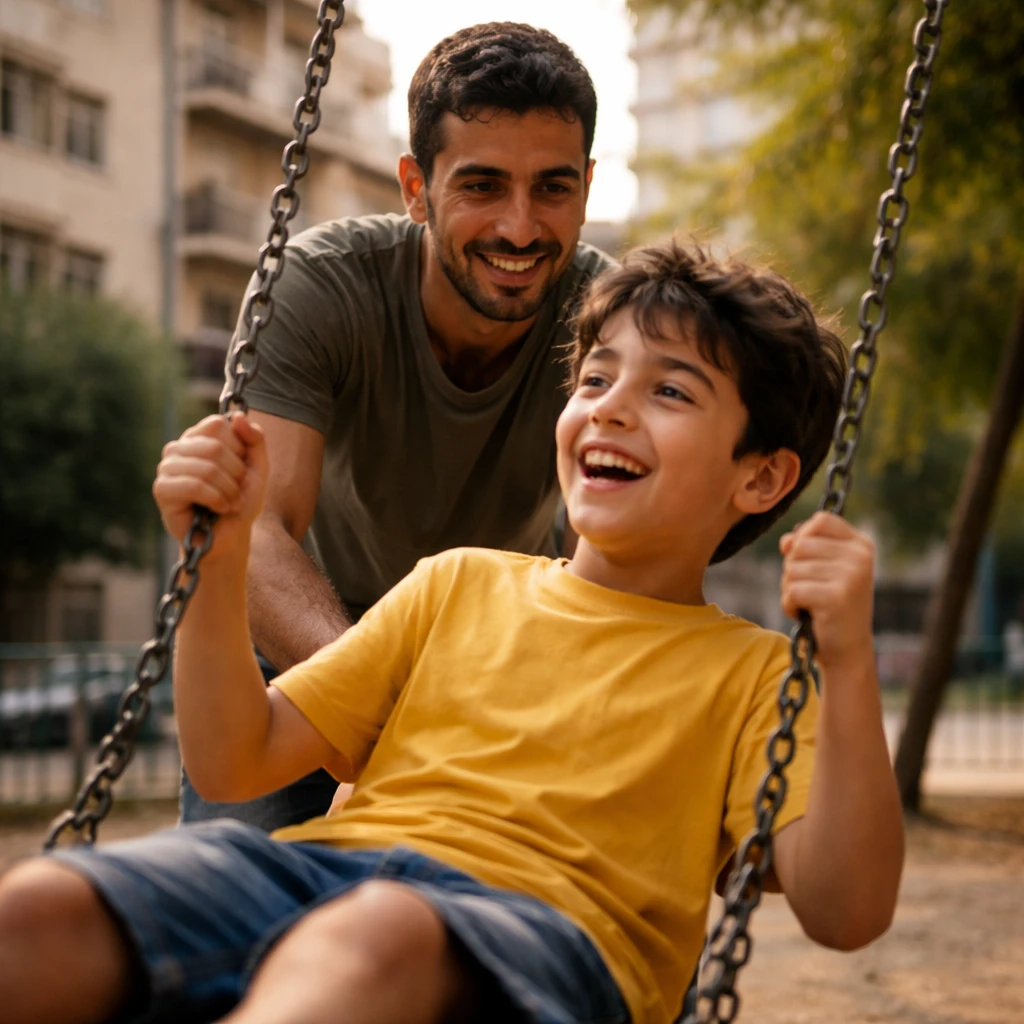
Abdulaziz Aldarwish faced an impossible decision when his young son Yahia’s kidneys failed. Working in Lebanon as a construction worker, Aldarwish could not afford the 1,200 euros per month required for dialysis treatment, and the country’s public healthcare system was described as being in a state of near-collapse after years of conflict and neglect.
With treatment in Lebanon out of reach, Aldarwish gathered 5,000 euros from his savings and family loans and put himself and Yahia aboard a migrant boat that set out from Lebanon toward Cyprus, a journey of roughly 200 km (120 miles). His wife and eight other children remained behind in a small Syrian village near the Lebanese border.
The voyage did not unfold as planned. When they left Lebanon in 2024, the small group carried only water and some dates - supplies calculated for what was expected to be a short trip. Yahia had been given a round of peritoneal dialysis before departure to bridge him through the crossing. Instead, they spent a week adrift in rough seas and survived on rainwater until a merchant vessel spotted them. Aldarwish later called their survival "a miracle," saying, "In the end, death was not our fate."
Upon arrival in Cyprus, medical staff informed the family that Greece planned to resume kidney transplants for low-weight children in May 2025, after a suspension that had lasted several years. Greek and Cypriot authorities worked together to arrange transport to Athens, where the boy and his father were placed under medical supervision. Doctors from three hospitals monitored them and interpreters provided assistance.
In January, two years after departing Lebanon, Yahia became one of the first young children to receive a transplant at the newly-established Onassis National Transplant Center in Greece. His father, Aldarwish, served as the donor.
"I had to take a risk: either things work out, I get him treated... or that’s it, we both die," Aldarwish, 32, said at the hospital after the operation, smiling with relief.
On the day of surgery, January 22, father and son embraced before being taken to separate operating rooms for parallel procedures that lasted several hours. Clinicians involved described the operation as the result of coordinated efforts across borders. Smaragdi Marinaki, head of the nephrology department at Laiko Hospital, which participated in the process, said, "This whole bridge of life was built for this child." Marinaki added that transplantation "transcends every barrier: borders and countries, races and religions."
Marinaki, who affectionately nicknamed Yahia "sweet tooth" for the boy’s long-deferred wish for chocolate, reported that the child is recovering well. The case was presented by doctors as emblematic of what international medical cooperation can deliver when authorities and clinical teams coordinate care across nations.
The story underscores several stark realities reflected in the family’s journey: the financial costs of chronic care, the peril of irregular sea travel in search of treatment, and the limits patients face when domestic health systems are unable to provide life-sustaining services. It also highlights the role that cross-border coordination among healthcare providers and governments can play in enabling complex procedures for vulnerable patients.
($1 = 0.8694 euros)