
Stock Markets March 24, 2026

Zoox Schedules Robotaxi Pilots in Austin and Miami as U.S. Rollout Expands

Amazon-owned unit to begin limited public testing later this year as it scales operations and awaits regulatory clearance

By Jordan Park AMZN
Zoox Schedules Robotaxi Pilots in Austin and Miami as U.S. Rollout Expands
AMZN

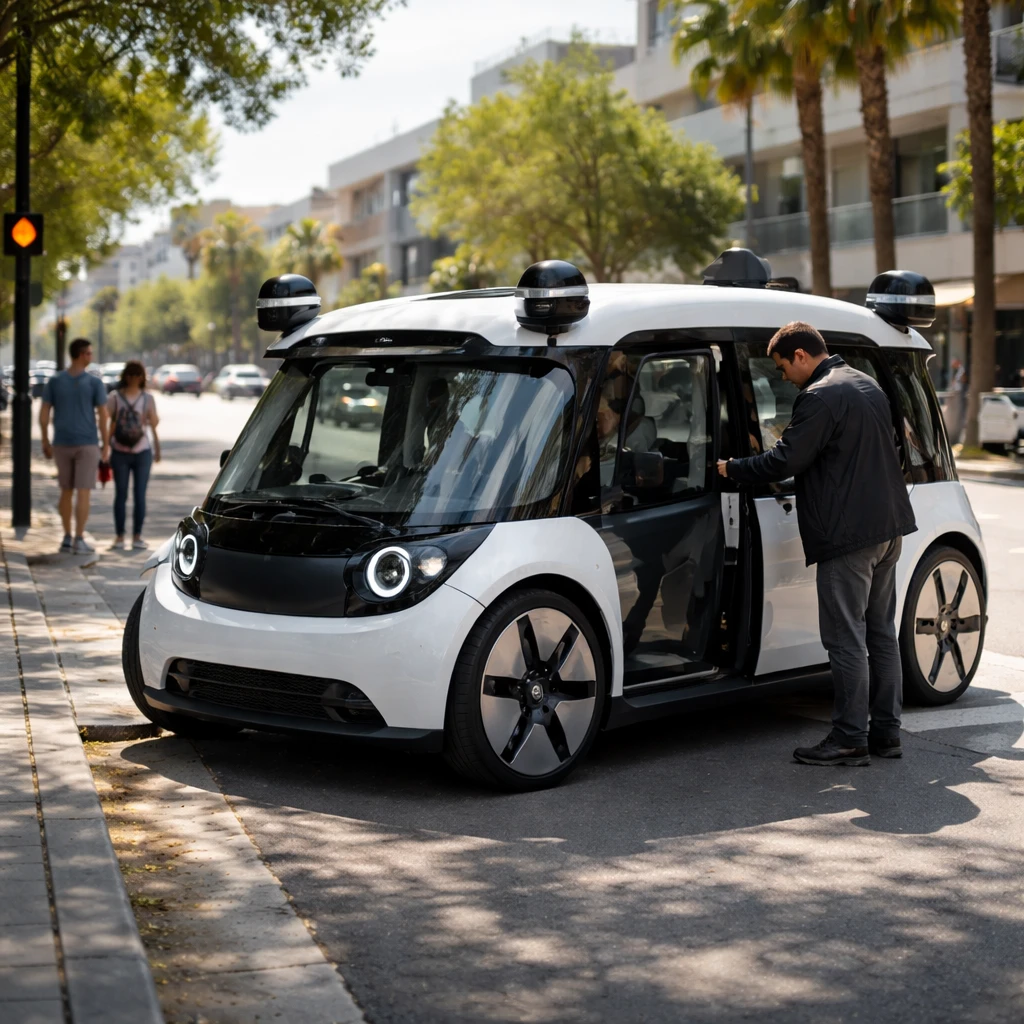
Zoox, the autonomous-vehicle subsidiary owned by Amazon, said it will deploy its purpose-built, steering-wheel-free robotaxis for testing in limited zones of Austin and Miami later this year. The company will initially restrict rides to employees and their families before opening a waitlist-based Explorer program, while also expanding service areas in San Francisco and Las Vegas and continuing tests across multiple U.S. cities.

Key Points

  • Zoox will begin limited robotaxi testing in Austin and Miami later this year, initially serving employees and their families before opening a waitlist-based Explorer program for the public.
  • The company is expanding service areas in San Francisco and Las Vegas and is testing its autonomous technology in 10 U.S. cities, with plans to operate soon in Atlanta and Los Angeles.
  • Zoox aims to field 100 robotaxis on public roads as it scales in Las Vegas and San Francisco and begins testing in Austin and Miami; it has requested NHTSA approval to operate up to 2,500 vehicles commercially.

Zoox, the self-driving vehicle unit owned by Amazon, announced that it will begin operating its distinctive, toaster-shaped robotaxis in limited areas of Austin, Texas, and Miami, Florida later this year. The rollout will be conducted as a testing program, with the vehicles operating without steering wheels or pedals.

Company officials said the initial phase of operations in both cities will be restricted to Zoox employees and their family members and friends. After that internal testing window, Zoox plans to activate its Explorer program, which will allow members of the public to join a waitlist for rides in the vehicles.

Zoox has prior experience offering free, driverless rides; last year it provided such services around the Las Vegas Strip and in select neighborhoods of San Francisco. The company reported that, as of late March, it had served 350,000 riders and that roughly 500,000 people were on its waitlist.


Testing footprint and fleet plans

In addition to the new Austin and Miami pilots, Zoox is enlarging its operational areas in San Francisco and Las Vegas. The company is actively testing autonomous technology in 10 U.S. cities. CEO Aicha Evans said in an interview that the robotaxis will soon operate in Atlanta and Los Angeles as well, noting that Zoox’s modified Toyota Highlanders have been collecting data in those markets since last year.

Zoox projects that it will have 100 robotaxis on public roads once it scales services in Las Vegas and San Francisco and begins public testing in Austin and Miami.


Regulatory status and commercial plans

Before Zoox can begin commercial operations at larger scale, it is waiting on a decision from the National Highway Traffic Safety Administration. The company has requested approval to operate up to 2,500 self-driving vehicles on public roads for commercial purposes. The agency opened a 30-day comment period on the proposal beginning March 11; it will publish its decision after that comment period.

Zoox has not yet launched a paid service. CEO Aicha Evans said the company is prepared to start charging fares once it secures the necessary regulatory approvals. Amazon acquired Zoox in 2020.

Risks

  • Regulatory uncertainty - Zoox’s commercial expansion depends on approval from the National Highway Traffic Safety Administration for up to 2,500 vehicles; the agency’s decision will follow a 30-day comment period that began on March 11. This impacts the transportation and automotive sectors.
  • Limited initial rollout - Early trips will be confined to employees and their close contacts before a public waitlist is opened, which may delay revenue-generating operations in the mobility and ride-hailing markets.
  • Operational scaling - Moving from testing to a commercial service with 100+ vehicles on public roads requires continued technical validation and city-specific permits, affecting urban mobility and tech deployment timelines.

More from Stock Markets

BofA Flags Five U.S. Cleantech Names as Solar Cost Advantages Persist Mar 24, 2026 Apple to Start Selling Ads in Maps in U.S. and Canada This Summer Mar 24, 2026 Fundrise Innovation Fund Shares Surge Again, Trading at Huge Premium to NAV Mar 24, 2026 Newly Listed VCX Rockets on Anthropic Stake and Claude Buzz Mar 24, 2026 BofA Reinstates Buy on Microsoft, Sees AI-Driven Revenue Lift and 31% Upside Mar 24, 2026