
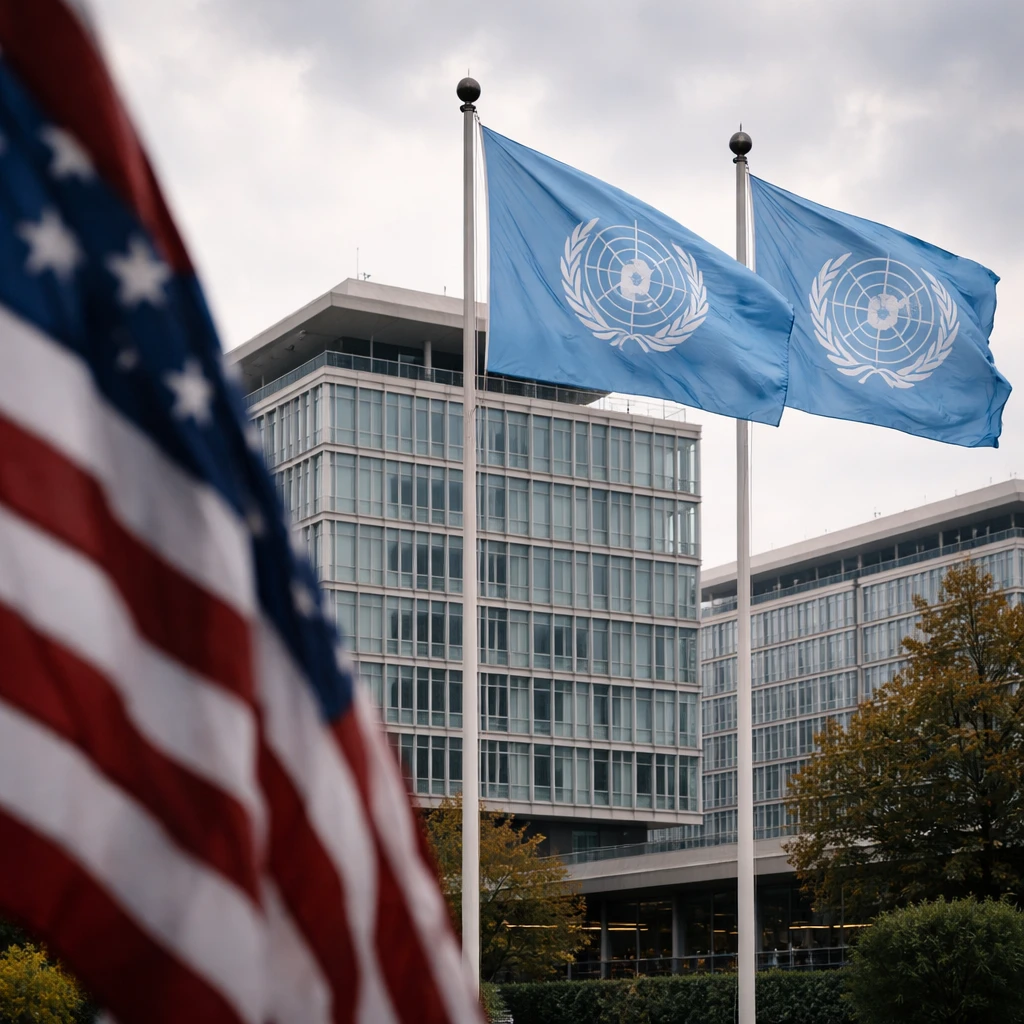
The World Health Organization said it regretted the decision by the United States to formally withdraw from the U.N. health agency and expressed a hope that Washington will return to active engagement in the future. The U.S. left the organization on Thursday after a year in which officials had warned that such a move could damage public health outcomes both in the United States and worldwide.
Officials from the Trump administration have been critical of how the WHO managed the COVID-19 pandemic. In public statements, the administration argued that the agency had not acted independently from what it called the "inappropriate political influence of WHO member states" and additionally said that the WHO required "unfairly onerous payments" from the United States that it viewed as disproportionate relative to contributions by other, larger countries, including China.
In response to those criticisms, the WHO defended its conduct during the pandemic. The agency said it stands by its response to the "unprecedented global health crisis" caused by COVID-19 and pointed to the operational systems it had in place before, during and after the emergency phase. The WHO added that those systems - which it said operate around the clock - have helped to keep all countries safe, explicitly including the United States.
"The systems we developed and managed before, during and after the emergency phase of the pandemic, and which run 24/7, have contributed to keeping all countries safe, including the U.S.," the agency said.
The agency's statement framed the U.S. departure as a regrettable step and reiterated a desire for renewed U.S. participation. The announcement that the United States had officially left followed repeated warnings about the potential public health consequences of withdrawal, both domestically and internationally.
How this change in formal membership will affect collaboration, data-sharing and coordinated responses in future public health emergencies was not detailed in the WHO statement. The organization limited its public remarks to a defense of its pandemic response and an appeal for the United States to re-engage with the agency.
Summary
The WHO said it regrets the U.S. withdrawal and hopes for the country's return to active participation. The U.S. criticized WHO's pandemic handling and funding arrangements; the WHO defended its response and the continuous systems it runs to protect all countries, including the U.S.