
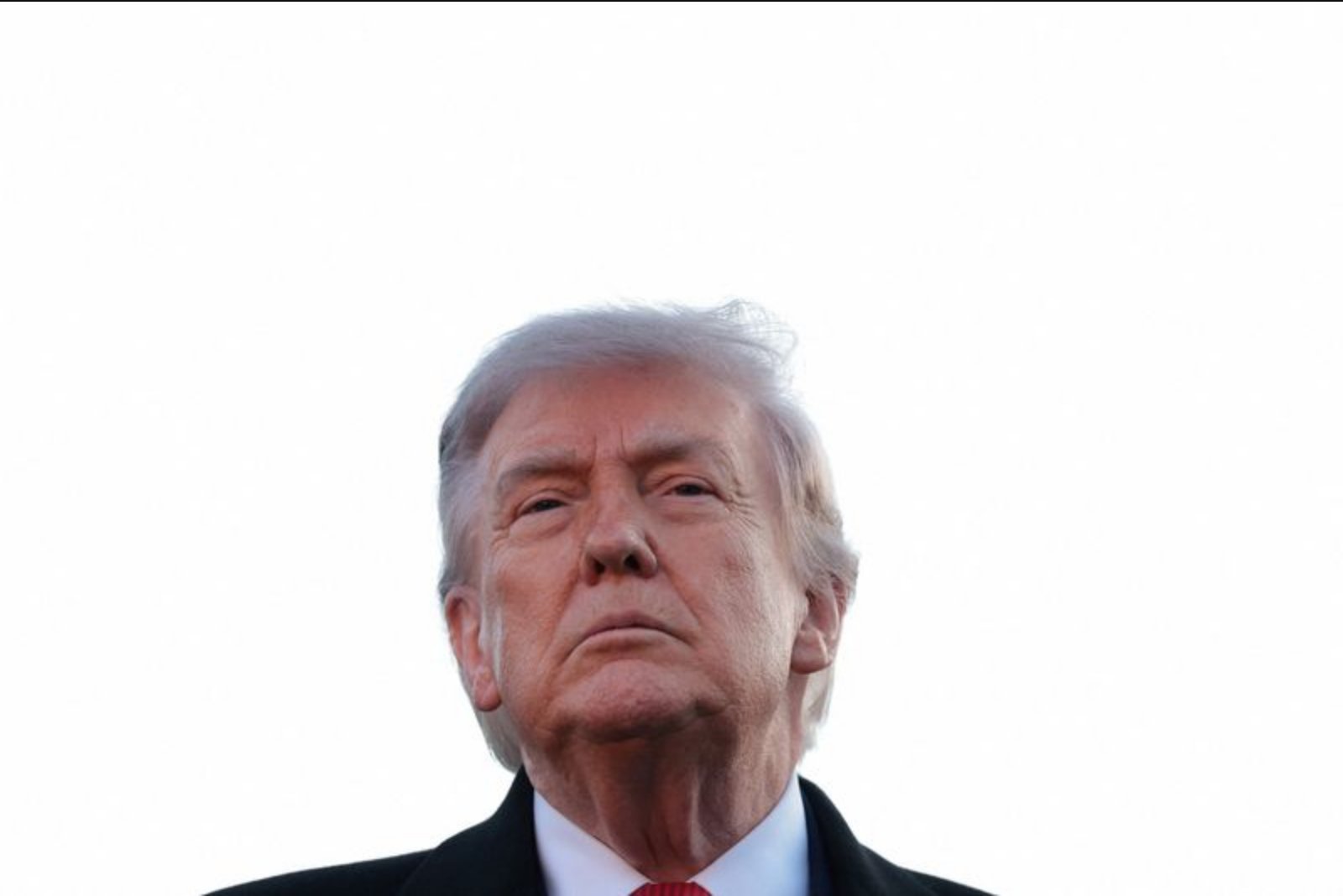
The White House has circulated invitations for a reduced CEO delegation to travel with President Donald Trump to Beijing on May 14-15, according to five people familiar with the preparations. The decision to limit the size of the business contingent reflects fault lines inside the administration over how prominently U.S. industry should feature in the summit and signals restrained hopes for sweeping commercial outcomes.
Officials in the White House and Treasury discussed inviting representatives from about a dozen U.S. firms, rather than the larger business presence that accompanied the president in 2017. That earlier trip included 29 high-profile executives; this year’s planned roster is substantially smaller. The full list of invitees could not be confirmed.
Reports indicate the group of CEOs on the invitation list includes leaders from Nvidia, Apple, Qualcomm, Citigroup and Boeing. Those invited are expected to join a state dinner hosted by Chinese President Xi Jinping, planners said. The invitations were sent on relatively short notice, a scheduling pattern officials attributed in part to internal disagreement over how many executives to include and which firms to invite.
Those involved in planning described the timing as unusually late. Differences within the administration on economic strategy toward China - including how broadly to showcase U.S. industry at the summit - contributed to the delay in finalizing invitations. A smaller delegation was seen by some officials as preferable to avoid inflating expectations about the summit’s potential commercial outcomes.
Outside comparisons underline how modest the U.S. contingent will be. British Prime Minister Keir Starmer visited Beijing in January with a delegation of 60 business and cultural leaders, while German Chancellor Friedrich Merz took 29 industry figures to China a month later. By contrast, the U.S. group for the May summit would be far smaller.
U.S. Trade Representative Jamieson Greer had previously expressed caution about bringing a large, high-profile CEO delegation when the summit had been tentatively scheduled for March. Greer’s preference for a focused delegation was intended to maintain emphasis on a managed approach to trade negotiations, one official said.
"A small CEO delegation that aligns with the actual concessions and negotiating points would make sense... Greer seems very conscious of not setting expectations too high," said Reva Goujon, a geopolitical strategist at consultancy firm Rhodium Group.
On the corporate side, Nvidia Chief Executive Jensen Huang said on CNBC that he would participate in the trip "if invited." Other finalists for inclusion reportedly encompassed major U.S. beef and soybean producers, reflecting ongoing consideration of agricultural interests for the delegation.
Those who spoke about planning matters asked not to be named because the state visit remains under active organization and invitations were still being finalized. Officials emphasized that the smaller scale of the CEO group does not eliminate the possibility of specific commercial outcomes, but it does reflect a more measured approach to expectations.
Trump’s 2017 visit to Beijing was notable for its pageantry and the promotional presentation of large business arrangements. That trip featured a private tour of the Forbidden City and publicized deals presented as worth more than $250 billion, including a reported $37 billion order for 300 Boeing aircraft and energy projects totaling $69 billion. Many of those 2017 announcements took the form of memoranda of understanding or multi-year purchase frameworks rather than immediate, binding contracts. The U.S. delegation on that visit included multiple companies tied to gas and energy, and Qualcomm was among the semiconductor suppliers present.
In the current round of talks, Boeing has described the summit as an important step toward unlocking what it calls China’s first major order for the company since 2017. Company representatives have said negotiations could involve a package that industry sources have characterized as potentially including 500 737 MAX jets plus additional widebody aircraft.
Another central item on the agenda is the potential extension of the trade truce established last October, during which both sides paused retaliatory export measures. Beijing has pushed for at least a one-year extension of that truce, while Washington is said to be seeking a six-month extension. In addition, Chinese officials have requested the U.S. commit not to undertake future retaliatory trade measures such as technology export controls and to roll back existing controls on chipmaking equipment and advanced memory chips, people briefed on the discussions said.
With invitations finalized at the eleventh hour and internal U.S. debate over the appropriate scale of private-sector participation, the upcoming summit is being organized with what planners describe as cautious expectations. The reduced CEO presence underscores an administration decision to limit the public trade-off between high-profile corporate exposure and the narrow negotiating objectives set for the meeting.