
Whirlpool Corp stock (NYSE: WHR) rose 0.7% to $72.16 in premarket trading on Wednesday after the home-appliance manufacturer completed multiple equity transactions that drew public criticism from a significant investor.
On Wednesday morning the company disclosed it had priced a public offering of about 6.9 million shares at $69 per share, which will generate approximately $475 million in gross proceeds. In a separate financing, Whirlpool sold $525 million of 8.5% three-year mandatory convertible preferred stock.
Additionally, the company completed a private placement of $30 million worth of shares at $69 apiece to Guangdong Whirlpool Electrical Appliances Co., a unit of Shanghai-listed Whirlpool China (SS:600983).
Billionaire investor David Tepper, founder of Appaloosa Management, sent a letter to Whirlpool’s board faulting the recent equity activity. Tepper said the raise was executed at a very high cost of capital and caused large, unnecessary dilution to existing shareholders.
Appaloosa is the company’s third-largest shareholder, holding roughly 3.9 million shares, which represents nearly 7% of Whirlpool’s about 56.52 million shares outstanding, according to LSEG data cited by the company.
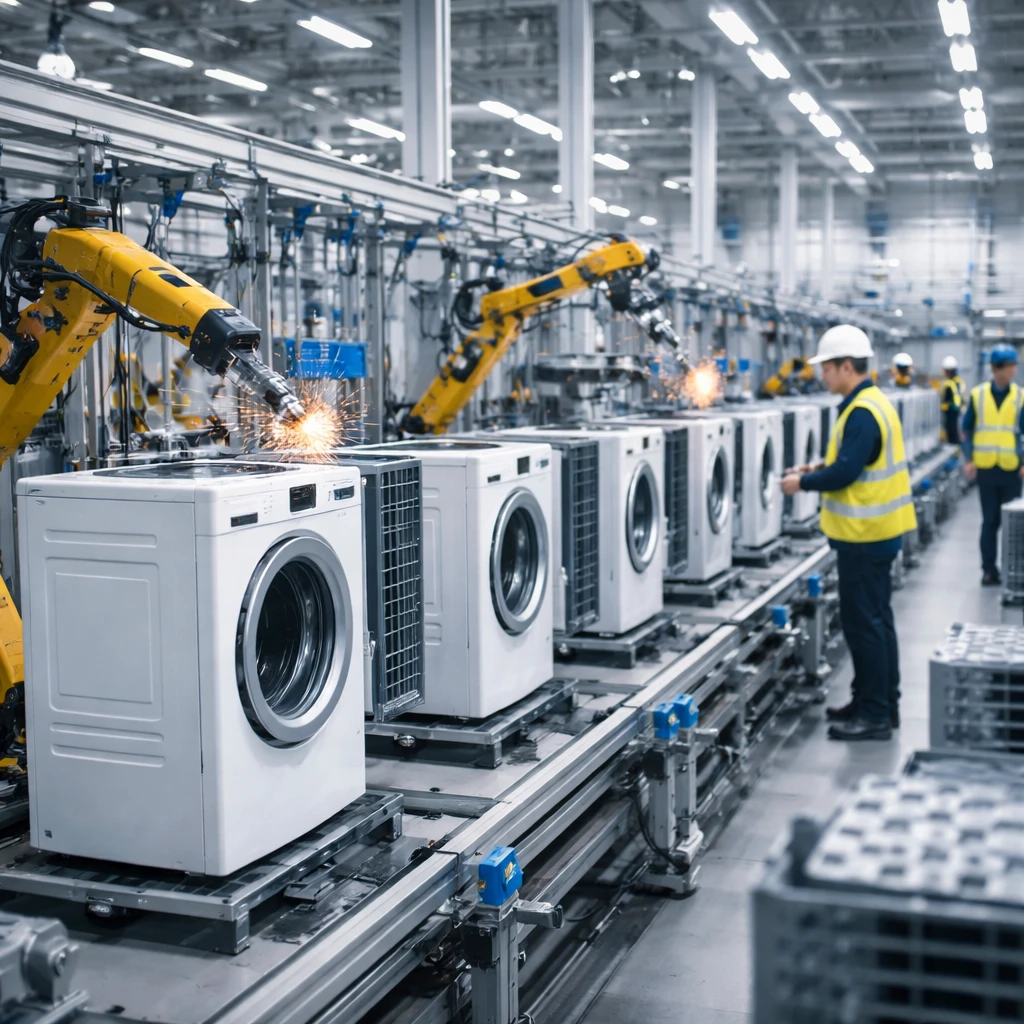
Whirlpool shares had fallen roughly 14% to close at $71.67 on Tuesday following the launch of the concurrent offerings. The company said proceeds from the financings will be used to repay debt and for general corporate purposes, explicitly noting strategic investments in automation as one use for funds.
The financing package reflects a combination of public and private equity issuance alongside a mandatory convertible preferred security. Management’s stated allocation of proceeds - debt repayment plus general and strategic purposes such as automation - was provided by the company in its announcement.
For market participants and supply-chain observers, the transactions and the ensuing investor reaction highlight tensions between capital-raising decisions and shareholder dilution, as well as the scrutiny that large holders can bring to those decisions.
Clear summary
Whirlpool completed a public share offering and a sale of mandatory convertible preferred stock, plus a small private placement to its China unit, raising capital that the company says will go toward debt repayment and investments including automation. The moves prompted a critical letter from David Tepper, who called the financings costly and dilutive; shares rose modestly in premarket trading following the announcements.