
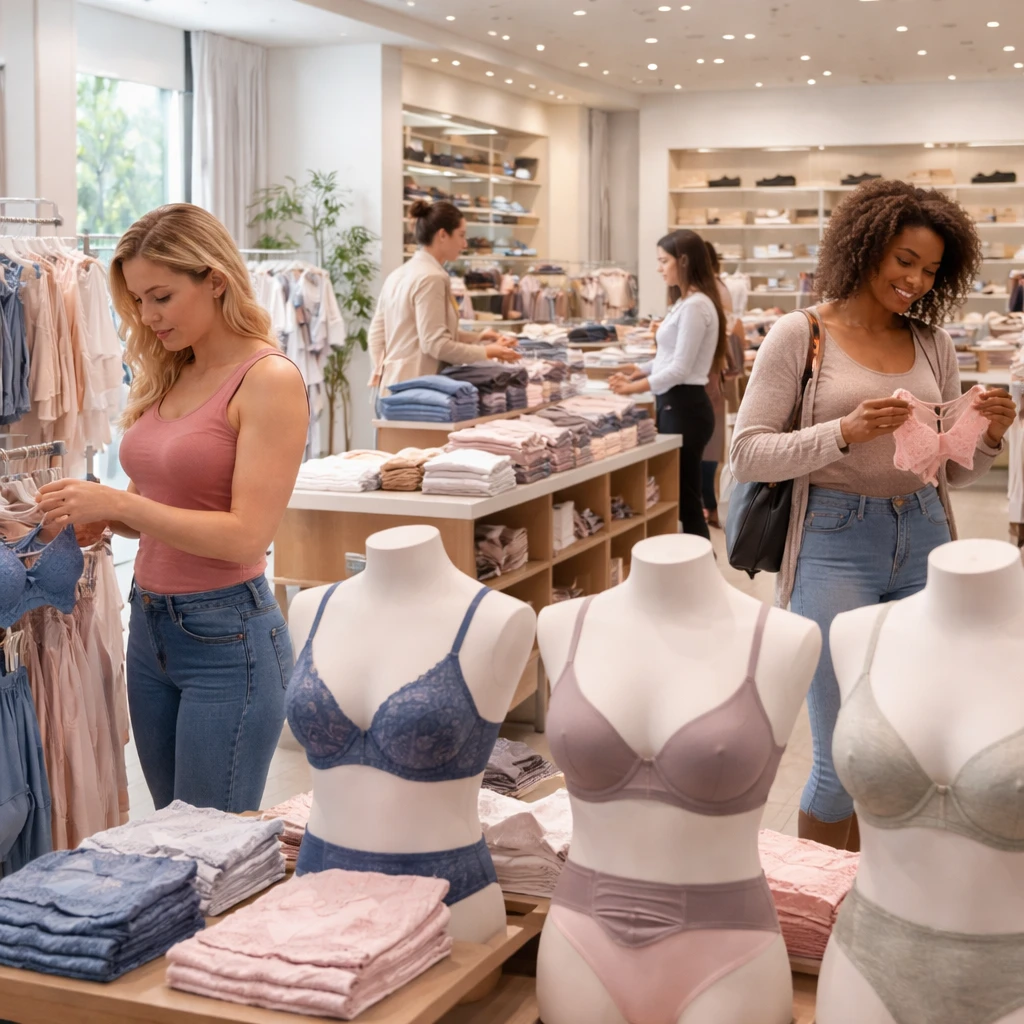
Wells Fargo announced a notable reallocation of ratings within its U.S. apparel and retail universe, promoting Victoria’s Secret while trimming recommendations on Nike and Deckers. The changes reflect the bank’s view that accelerated adoption of GLP-1 class weight-loss drugs is tilting consumer purchases toward apparel and intimates rather than footwear and athletic apparel.
In a note led by analyst Ike Boruchow, Wells Fargo framed GLP-1 medications - including Ozempic, Wegovy, and Zepbound - as creating a "mega-trend" that is lifting demand for clothing as users lose weight, move into smaller sizes, and refresh wardrobes. The analysts estimate the effect has already added roughly 100 basis points to apparel spending growth in 2024 and 120 basis points in 2025. Their forecast extends further, projecting incremental lifts of 160, 170, and 30 basis points in each of the three years that follow.
The research team emphasized U.S. GLP-1 penetration of about 12% of adults, and noted that several barriers to wider adoption - cost, injectable-only formats, and limited insurance coverage - are continuing to decline. They also highlighted the market response to a January introduction of a Wegovy pill priced at $149 to $299 per month, which helped drive a spike in new prescriptions in the first quarter.
To deepen the evidence behind their view, Wells Fargo said it ran a proprietary survey of roughly 1,000 consumers. According to that survey, GLP-1 users spend over 40% more on clothing each year than non-users, report replacing a greater share of their wardrobes, and express stronger intent to maintain spending levels. The bank singled out bottoms and bras as the highest-priority apparel purchases among these consumers.
Against this backdrop, Wells Fargo raised Victoria’s Secret to Overweight from Equal Weight and increased its price target to $57. The analysts cited accelerating business momentum under CEO Hillary Super, recent strong comparable-store sales, and a notable gap between the company’s current operating margin and its longer-run historical benchmark. Intimates, and bras in particular, were called out as direct beneficiaries of the GLP-1-driven body-shape changes.
Conversely, Nike was downgraded to Equal Weight from Overweight, with the price target trimmed to $45 from $55. The analysts pointed to Nike’s heavier exposure to footwear and persistent international headwinds, including double-digit sales declines in Greater China and elevated inventory levels in Europe, as the rationale for the more cautious stance.
Deckers was moved to Underweight from Equal Weight and its price target was reduced to $90 from $115. Wells Fargo described this as a thematic decision, noting that the HOKA brand faces heightened competitive pressure as Nike seeks to regain share in specialty running categories.
Beyond the trio of coverage actions, the analysts listed several other apparel and retail names they view as well-positioned to capture the GLP-1 tailwind. Those names include Kontoor Brands, Levi Strauss, Gap, Burlington, Ross Stores, and ThredUp, which the team said are clear winners under the current trend.
Implications for markets
The broker’s reshuffle signals a tactical reallocation within consumer discretionary coverage: apparel and intimates may benefit from a near-term structural change in consumer wardrobe replacement patterns, while footwear and certain athletic segments could see more muted demand or increased competitive pressures.