
Overview
Wells Fargo has reduced its forecast for global GDP growth in 2026 to 2.7%, attributing the downgrade to heightened geopolitical risks and a ceasefire in the Middle East that the bank deems unstable and insufficient to clarify the economic outlook. Although the bank models an end to active conflict by mid-year and expects oil prices to ease in the second half of 2026, it emphasizes low confidence in that scenario given ongoing geopolitical tension.
Growth and inflation perspectives
The bank flags a clear skew of risks toward weaker growth, driven by a combination of higher oil prices, tighter financial conditions and rising policy uncertainty. Wells Fargo notes that its revised GDP forecast sits below both the projection it released last month and the outlook it held before the conflict began.
On inflation, the bank sees upside risk. The tentative nature of the ceasefire - characterized by repeated rejections of competing demands and allegations of violations - preserves the risk of a further rise in oil prices, sustained uncertainty and greater volatility in financial markets. As a result, Wells Fargo cautions that global consumer price inflation could surpass its current 4.4% forecast for 2026.
Energy market assessment
Wells Fargo argues that markets are underestimating the magnitude of the energy shock. It says consensus forecasts appear to embed too little of a growth drag and too little of an inflation impulse from energy disruptions. The bank has deliberately set its own projections below consensus on GDP and above consensus on CPI.
Highlighting the potential scale of supply risk, Wells Fargo cites International Energy Agency estimates of possible oil supply shut-ins approaching 10 million barrels per day - roughly 10% of global supply - with conditions expected to worsen through April, according to the bank's note.
Supply chain and commodity ripple effects
The warning from Wells Fargo extends beyond crude oil. The bank underscores disruptions to other commodities and inputs - including natural gas, fertilizers, aluminum and helium - that could amplify inflationary pressures, particularly through higher food prices and costs for core goods. It identifies Asia and key emerging markets as especially exposed to these supply-side strains.
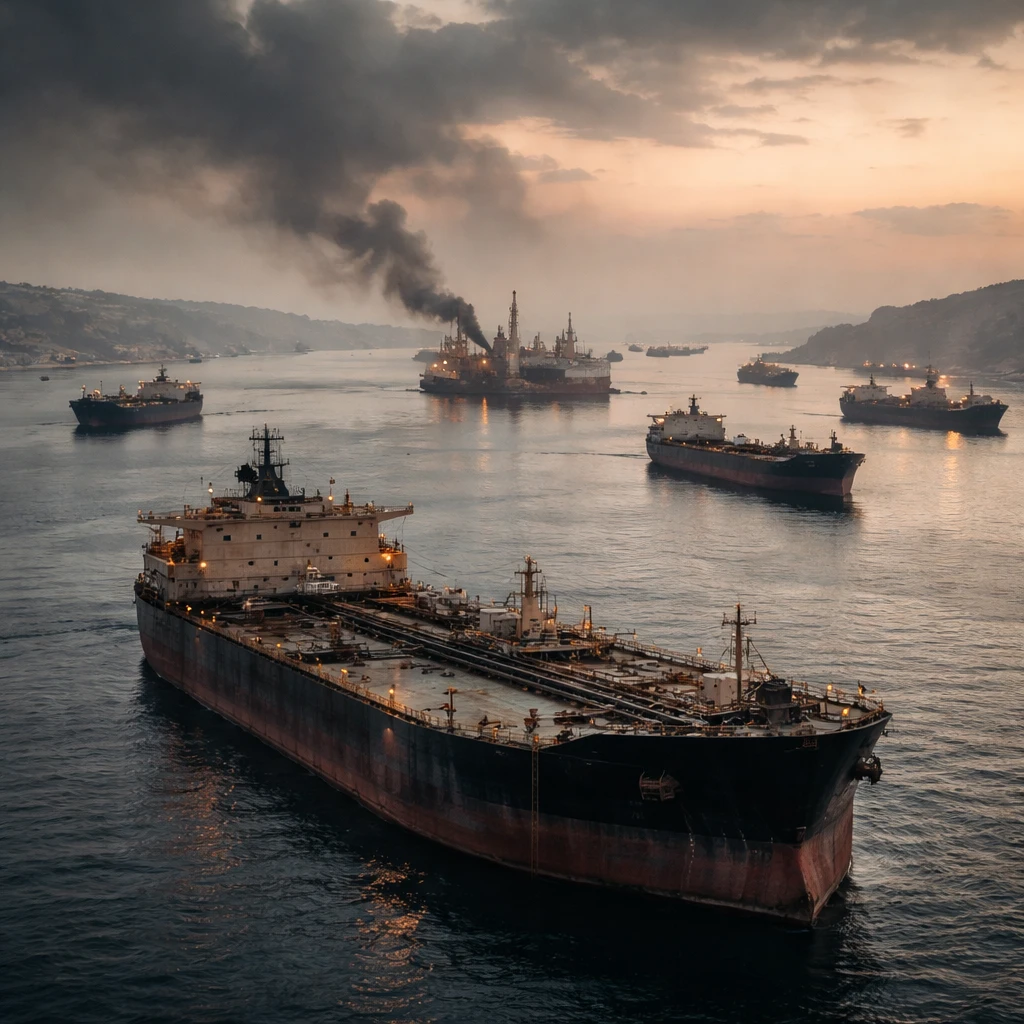
Wells Fargo also cautions that a ceasefire will not automatically restore normal operations. Shipping through the Strait of Hormuz and energy production may recover only slowly, if at all, in the absence of a durable peace. Physical supply constraints and infrastructure damage are likely to linger for months, the bank says.
Monetary policy implications
Central banks, Wells Fargo notes, are signaling patience in the near term, but the balance of risks has shifted toward tightening as inflation pressures firm. The bank expects rate increases in parts of the G10 - naming the Eurozone, Japan and Canada - and anticipates growing divergence in policy across emerging markets as external and domestic inflationary pressures build.
Bottom line
Wells Fargo's update underscores a lower-growth, higher-inflation scenario for 2026 relative to previous projections, driven by persistent geopolitical uncertainty in the Middle East and the prospect of substantial energy and commodity supply disruptions. The bank's stance is cautious: it models a path toward easing conflict and lower oil prices later in the year but stresses that its confidence in that path is limited.