
Stock Markets January 28, 2026

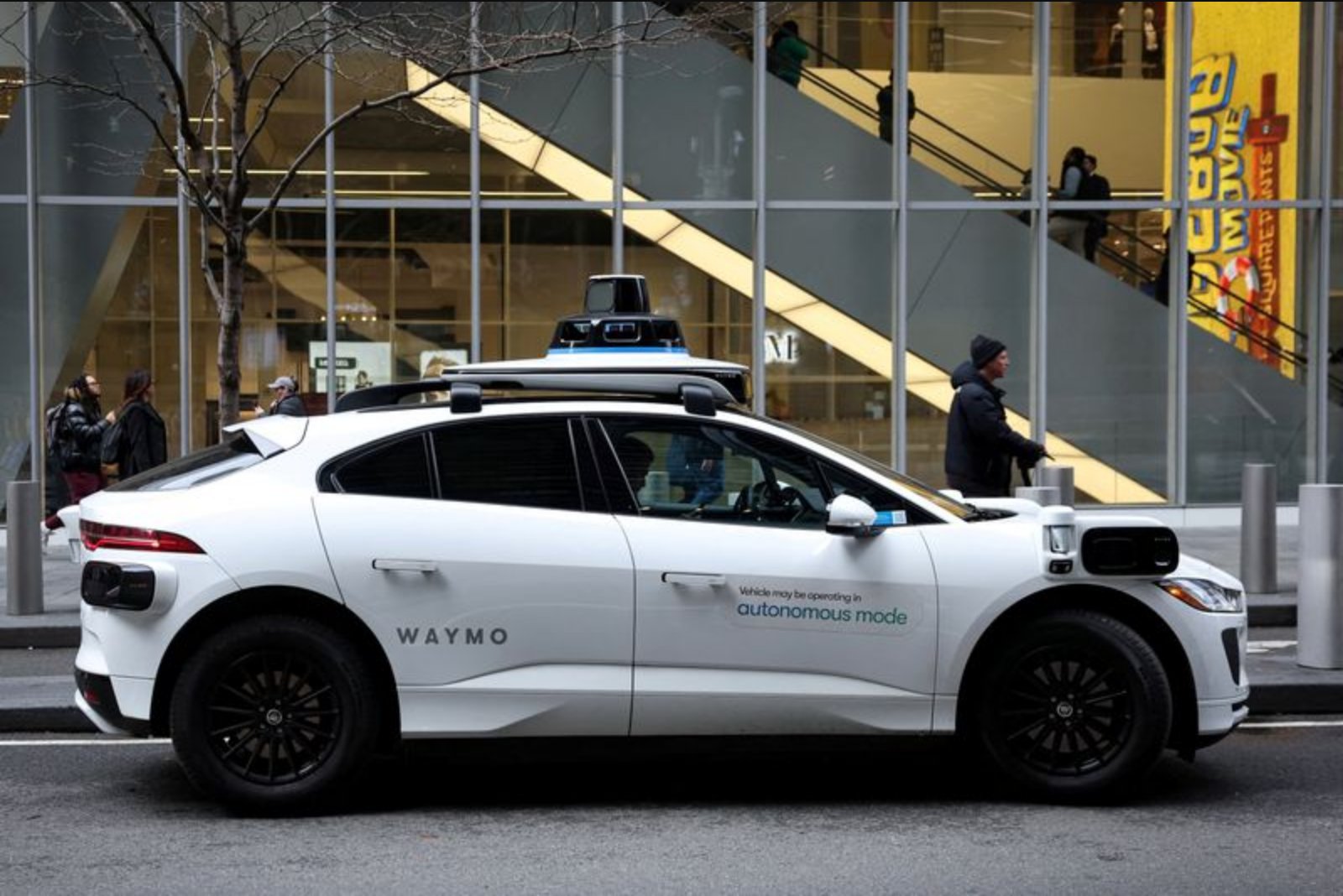
Waymo Targets London Rollout of Fully Driverless Robotaxi Service by Q4 2026

Alphabet’s self-driving unit outlines timeline as UK shapes regulatory framework and rivals prepare local launches

By Leila Farooq TSLA GOOGL
Waymo Targets London Rollout of Fully Driverless Robotaxi Service by Q4 2026
TSLA GOOGL

Waymo, the self-driving car unit of Alphabet, said it aims to introduce a fully driverless ride-hailing service in London by the fourth quarter of 2026. The timeline was disclosed at a London briefing by Ben Loewenstein, Waymo’s head of policy and government affairs for the UK and Europe. The planned expansion coincides with UK regulatory work to enable autonomous vehicles and with competitive moves from other firms, including a London entry by an Uber-backed startup and recent robotaxi deployments by Tesla in the United States.

Key Points

  • Waymo plans to deploy a fully driverless ride-hailing service in London by Q4 2026, timeline announced by Ben Loewenstein at a London briefing.
  • The UK government is developing regulations intended to permit safe rollout of autonomous vehicles and projects the sector could support 38,000 jobs and be worth up to 42 billion pounds to the UK economy by 2035.
  • Competition and market dynamics are intensifying: Wayve, backed by Uber, expects a London launch this year, while Tesla has started deploying driverless cabs in the U.S. and forecast large robotaxi numbers by the end of 2026.

Waymo, the autonomous vehicle division of Alphabet, announced it is aiming to launch a fully driverless ride-hailing service in London by the fourth quarter of 2026. The intended schedule was set out at a briefing in London by Ben Loewenstein, who leads policy and government affairs for Waymo in the UK and Europe.

The company had earlier indicated a 2026 launch window and reiterated that timing at the recent event. Waymo’s push into the British capital follows gradual expansion in the United States, where the business has grown steadily despite complex regulation and the high cost of the underlying technology. The firm’s experience in U.S. markets is a foundation for exploring operations overseas.

British authorities are preparing a regulatory framework intended to allow autonomous vehicles to operate safely on UK roads. The government has framed the sector as an economic opportunity, estimating that autonomous vehicle activity could support 38,000 jobs and create an industry worth up to 42 billion pounds to the UK economy by 2035.

Waymo’s London timetable arrives as investor interest in artificial intelligence increases and as competition in the robotaxi market intensifies. An Uber-backed startup, Wayve, is expected to begin operations in London this year, representing near-term competition in the market. At the same time, Tesla has signalled ambitious plans for robotaxis and recently put its first driverless cabs into service in the United States last June.

Tesla’s leadership has predicted millions of its robotaxis could be on roads by the end of 2026, a claim that adds pressure to firms racing to scale autonomous fleets. The interplay among regulatory readiness, capital intensity, and competitive positioning will be central to how quickly operators can expand in cities such as London.

For reference on currency conversion used in public statements, the article noted a rate of $1 = 0.7260 pounds.


Investor product note included in the original item: Which stock should you buy in your very next trade? AI computing powers are changing the stock market. Investing.com's ProPicks AI includes dozens of winning stock portfolios chosen by our advanced AI. Year to date, two out of three global portfolios are beating their benchmark indexes, with 88% in the green. Our flagship Tech Titans strategy doubled the S&P 500 within 18 months, including notable winners like Super Micro Computer (+185%) and AppLovin (+157%).

Risks

  • Regulatory uncertainty - The pace and specifics of the UK regulatory framework will directly affect timing and scale of autonomous vehicle deployments, impacting companies and the transport and technology sectors.
  • Competitive pressure - Multiple firms planning or claiming large-scale rollouts could intensify capital requirements and market competition, affecting vehicle makers, mobility providers, and investors in the autonomous ecosystem.
  • Technology and cost barriers - High costs of autonomous driving technology and the need to scale operations without regulatory setbacks create execution risk for operators and suppliers in automotive and AI hardware markets.

More from Stock Markets

Indian equities rally after U.S. agrees tariff reductions in trade accord Feb 2, 2026 SiTime Nears Acquisition of Renesas Timing Business in Potential $3 Billion Deal Feb 2, 2026 Tesla Debuts New All-Wheel Drive Model Y Trim in U.S.; Premium Option Also Launched Feb 2, 2026 Eastroc Beverage Shares Start Trading in Hong Kong at Offer Price After $1.3 Billion IPO Feb 2, 2026 SoftBank unit and Intel to jointly develop 'Z-Angle' memory technology Feb 2, 2026