
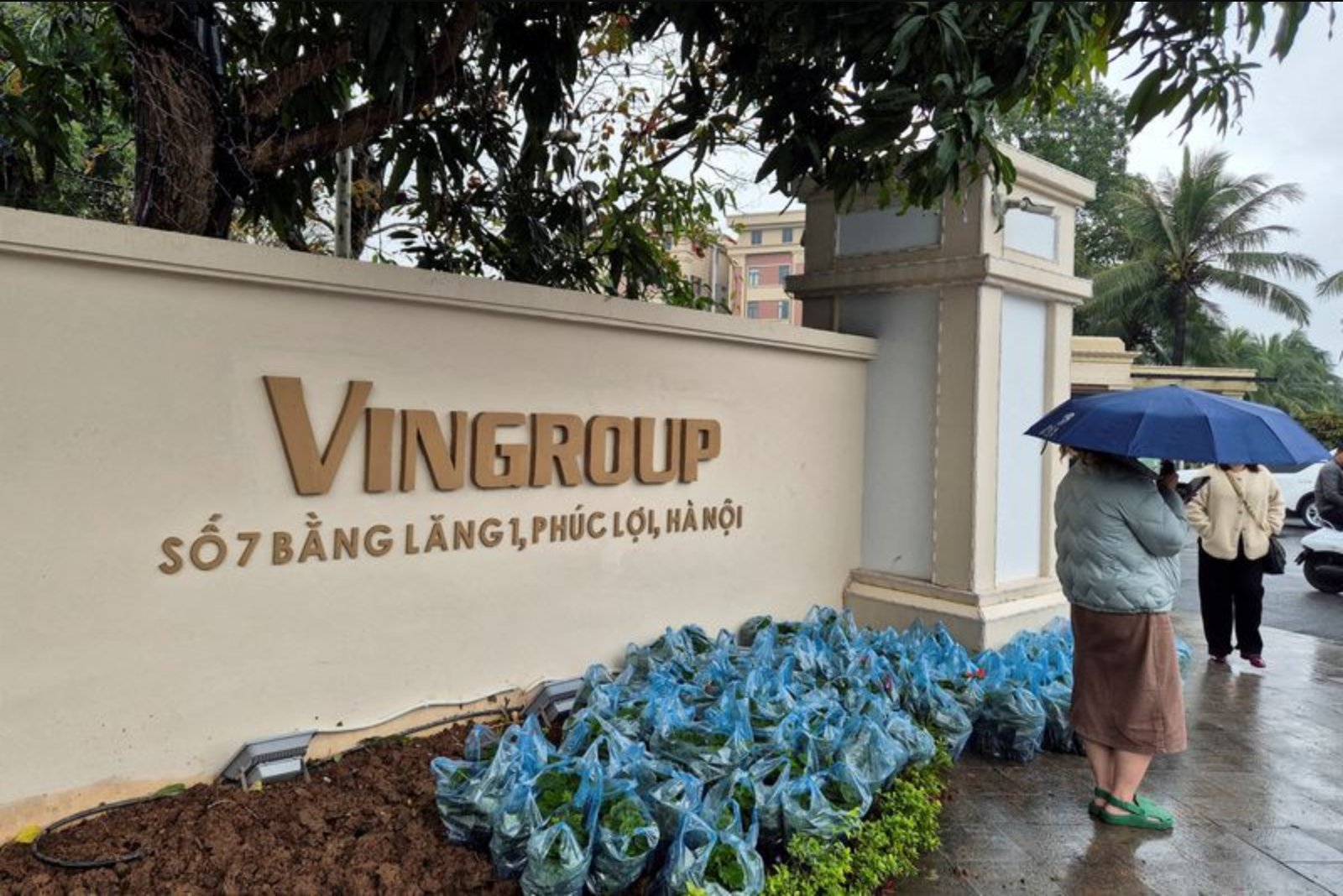
Vingroup has formally asked Vietnam's industry ministry to withdraw its plan to build what would have been the country's largest LNG-fired power station and to review an alternative renewable energy project, according to a document dated March 25 seen by TradeVae. The company flagged recent geopolitical events and supply disruptions that it says increase the risk that LNG will become prohibitively expensive for the project.
The request arrived about two weeks after GE Vernova was announced as the supplier of gas turbines and generators for the proposed 4.8 gigawatt liquefied natural gas power plant. Vingroup, which is Vietnam's largest conglomerate by market capitalisation but a newcomer to the energy sector, declined to comment. Vietnam's industry ministry and GE Vernova did not respond to requests for comment.
Context and concerns cited by Vingroup
The document directly links recent military strikes and supply outages to rising LNG costs. It notes that LNG prices have surged 85% since the U.S. and Israel launched strikes on Iran on February 28, resulting in the Strait of Hormuz - a narrow waterway that normally carries about a fifth of global LNG supplies - being closed to most ships.
It also points to damage to liquefaction trains in Qatar, a major LNG producer, which the document says has sidelined 12.8 million tons per year of LNG for three to five years. Taken together, Vingroup wrote, these developments underscore "the significant risk of high fuel prices for LNG power projects."
Vingroup's note quantifies the exposure. It says the fully operational plant would require roughly 5 million metric tons of LNG each year, with annual import costs of about $3.5-3.8 billion. The company warned that such a level of imports would "create significant pressure on the economy's foreign exchange needs."
From LNG to renewables with BESS
Instead of proceeding with the LNG facility, Vingroup asked the ministry to evaluate an investment plan for a hybrid renewable energy development paired with a battery energy storage system (BESS). The document explains that BESS can store electricity generated by variable renewable sources and discharge it during peak demand, thereby maximising the use of renewables.
The submission did not identify the specific renewable technologies to be deployed, but it estimated the cost of the BESS-backed project at around $25 billion. Vingroup framed this option as a feasible alternative to the LNG plant provided it is supported by appropriate transmission infrastructure. The company noted the substantial cost gap, saying the renewable-BESS scheme would be nearly five times more expensive than the LNG project, and it urged the ministry to adopt a "suitable electricity pricing mechanism" if the plan were to proceed.
Project timeline and related developments
VinEnergo, the Vingroup unit tasked with the project, began groundworks in Haiphong in September. The Haiphong complex's first phase, sized at 1.6 GW, had been scheduled for completion in 2030. VinEnergo was established in March 2025 and has since initiated a series of energy projects.
The document forms one of the earliest concrete indications that planned LNG projects may be put on hold or scrapped because of recent events. The broader debate about LNG economics has surfaced in other countries as well - for example, New Zealand's prime minister this week said a planned LNG terminal would proceed only if the underlying business case was sound.
Implications
Vingroup's submission highlights the tension between the comparatively lower upfront capital cost of LNG-fired generation and the volatility and potentially large recurring import costs tied to global fuel markets. The company argues that, while renewables paired with BESS could reduce exposure to fuel-price shocks, the substantially higher investment requirement and need for transmission upgrades would require careful regulatory and pricing arrangements.
Questions remain about which renewable technologies would be selected and how the proposed projects would be financed and integrated into Vietnam's power grid. The document's figures and the company's recommendations will now be considered by the industry ministry.