
Soaring fossil fuel prices have created a supportive market backdrop for Verbio, the Germany-based renewable fuels company, its chief executive said on Thursday. Claus Sauter told Reuters that higher costs for natural gas and diesel are improving demand for the firm’s products, a trend he described as "extraordinarily beneficial".
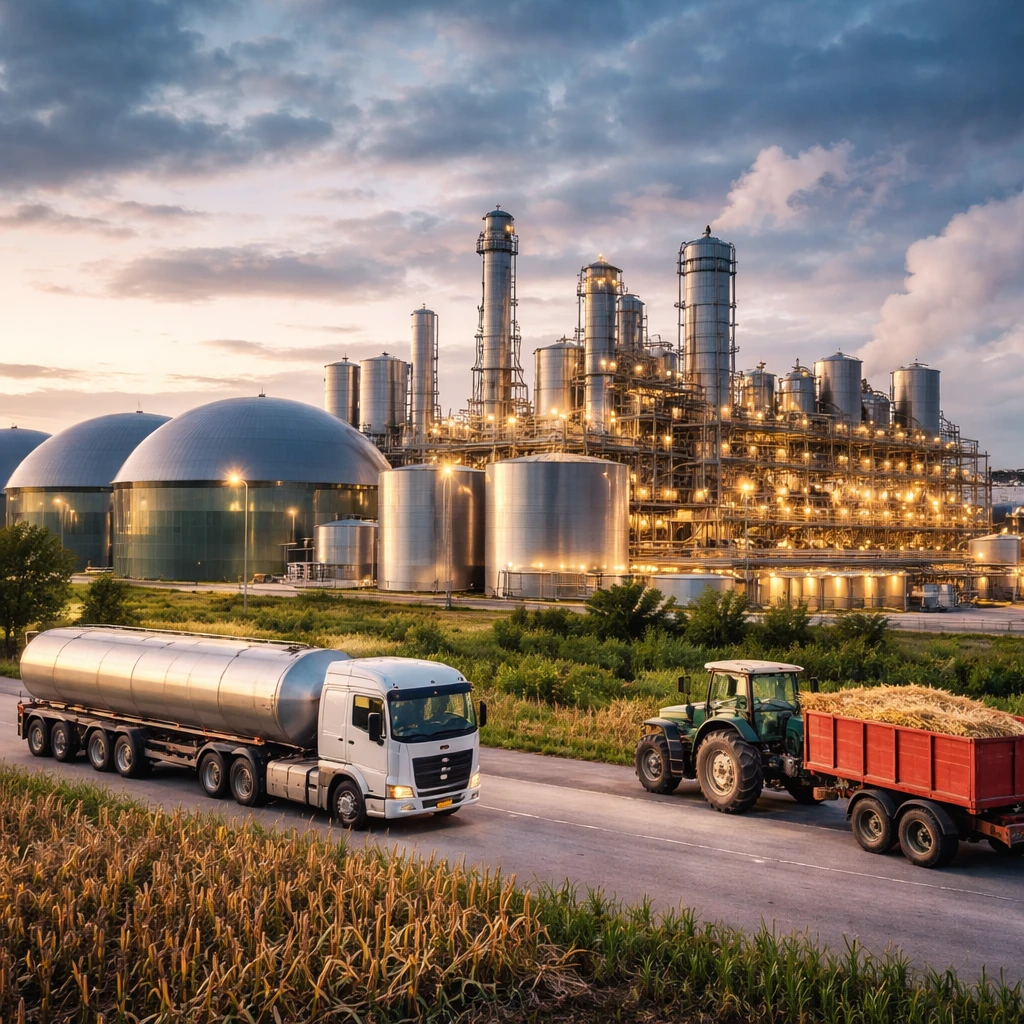
Verbio produces biomethane and bioethanol from locally sourced organic inputs - including food waste and agricultural residue - and maintains production facilities across Europe, North America and Asia. That feedstock profile, Sauter said, helps shield the company from some of the direct negative effects of the conflict in the Middle East.
"We are one of the very few absolute beneficiaries from the current situation," Sauter said. "When natural gas becomes extremely expensive, or diesel, we are not affected negatively, our business benefits from it."
The market reaction has been notable. Verbio’s shares have risen by about 60% since coordinated strikes by the U.S. and Israel on Iran at the end of February, according to the comments included in the conversation with the CEO. At the same time, the increased volatility in oil and gas prices has prompted European lawmakers to look for ways to increase biomethane supplies to reduce reliance on imported gas.
Sauter pointed to clear commercial interest from transport operators. "We’re seeing huge demand from hauliers who had heard of us but never engaged with the topic because diesel was cheap," he said.
The reporting noted that oil and natural gas prices have surged following the outbreak of the war and the closure of the Strait of Hormuz - a chokepoint through which roughly one-fifth of the world’s oil and gas typically transits - and that those dynamics are feeding demand for alternatives.
Biomethane can substitute for fossil fuels in grid networks and transport applications, and it is also used as a feedstock for fertiliser. The International Energy Agency said last year that it expects demand for biomethane to rise fivefold by 2035.
Sauter also said investors are placing a higher priority on energy security amid persistent shocks to global supply chains. He framed biofuels in three strategic dimensions: agriculture, security of supply, and climate protection. "Three things matter for biofuels: agriculture, security of supply, and climate protection. In Europe, the priority was climate protection first, then security, then agriculture," he said. "Now, security of supply has jumped to the top."
Analyst note - From a pricing-power perspective, the current environment strengthens the case for renewable fuels that rely on locally sourced organic feedstocks. Demand coming from transport operators and heightened policy focus on supply security are the key drivers cited by management and visible in market moves.