
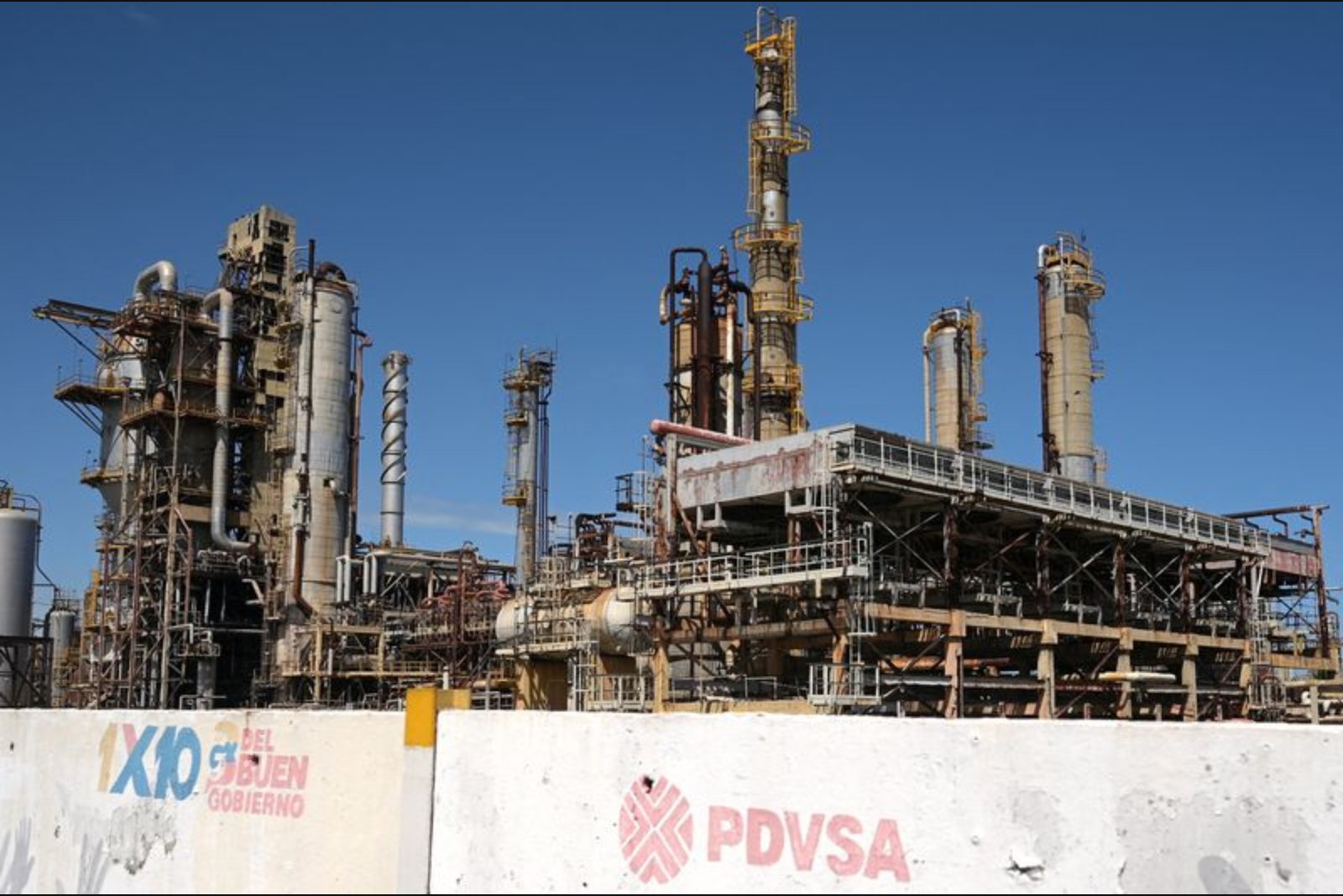
Venezuela's National Assembly approved a broad rewrite of the nation's core hydrocarbons law in a final vote on Thursday, enacting a package of measures that its architects say will make the oil sector more competitive for domestic and foreign companies. The reform package, modified to include tax relief measures proposed by interim President Delcy Rodriguez, also shifts decision-making authority toward the oil ministry, opens the door to transfers and outsourcing of state assets, and grants producers increased control over commercialisation of output and proceeds.
Proponents argue the changes should help spur higher oil and gas production and attract external investment, an outcome the government frames as timely following a $100 billion reconstruction plan for Venezuela's energy industry put forward by U.S. President Donald Trump this month after the U.S. military captured Venezuelan President Nicolas Maduro. The approval comes after decades of strict nationalization and expropriations under previous policy that removed foreign operators from Venezuelan fields.
National Assembly President Jorge Rodriguez hailed the outcome, saying the reform passed unanimously and would make contracting with domestic and foreign firms to extract resources from what is described as the world's largest oil reserve more competitive.
In a policy move aligned with the legislative action, U.S. officials promptly loosened some restrictions on Venezuelan energy exports by issuing a general licence related to oil shipments shortly after the law was approved. The legislative initiative itself moved rapidly through the system - it was submitted, debated and enacted in under two weeks.
President Trump followed the legislative developments with comments that he would control Venezuela's oil revenue indefinitely after a headline $2 billion supply agreement between Caracas and Washington. The government says the law will encourage foreign participation; some prospective investors have described the reform as "good enough" to signal they might undertake initial investments to help recover the country's depleted oil infrastructure. At the same time, former Venezuelan officials have challenged the measure's constitutionality.
The new legal framework permits private producers to operate projects under newly structured oil contracts or in joint ventures even when they hold minority stakes, and crucially grants those producers autonomy to market production and receive cash payments independently of state oil company PDVSA. That change removes a longstanding operational constraint and formalises a production-sharing model that President Maduro had already used in prior agreements negotiated with lesser-known energy firms.
Those production-sharing arrangements have drawn scrutiny because they were negotiated with limited public oversight. Politicians and analysts cited in the debate warned the model's opacity and relatively light regulatory framework could increase the risk of corruption.
In the days before final approval, lawmakers amended the reform to create space for lowering income taxes on energy projects and to eliminate several supplementary levies. However, the package also introduced a new "hydrocarbon tax" that must be detailed in separate legislation. Observers say the presence of that new levy makes it unclear whether the state's overall fiscal take from petroleum activity will fall, given that Venezuela historically has had among the higher tax burdens in the region.
Opposition proposals submitted at the last minute seeking to secure greater transparency, constrain expansive ministry authority and preserve the National Assembly's approval power for major oil contracts were rejected. The legislature's energy committee reported receiving roughly 120 suggested amendments during the drafting process, according to Orlando Camacho, a lawmaker allied with the government.
Washington has not recognised the legitimacy of the National Assembly's election and has criticised other voting processes in Venezuela for low participation and the absence of international observers.
More flexibility for PDVSA assets and contracts
Recent changes to the reform text specifically permit the transfer of oil assets currently owned and operated by state firm PDVSA and allow for the outsourcing of field operations under the new contract model. The production-sharing contracts created under the reform are expected to be adopted as the government conducts a scheduled six-month review of dozens of PDVSA-controlled oil and gas joint ventures, the arrangement that has governed the sector since the prior hydrocarbons law took effect in 2001.
Under the newly enacted law, the National Assembly relinquished the prior approval role it held over oil contracts. That authority has moved to the oil ministry - which is currently also led by Delcy Rodriguez - giving the ministry near-total control over contract signings and any subsequent contract amendments.
Implications for the sector
- Energy companies operating or seeking to operate in Venezuela will gain contractual and commercial autonomy previously limited by PDVSA's centralised control.
- Foreign investors judging initial deal terms may find the revised legal framework sufficient to consider re-entering projects, though the ultimate commercial terms depend on implementing regulations and tax rules to follow.
- State revenue outcomes are uncertain because the reform both reduces certain taxes and creates a new hydrocarbon tax that requires separate regulation to define its scope and rates.