
Stifel has moved Valvoline to a Buy rating from Hold, citing a recent decline in the stock and the view that concerns about rising base oil and gasoline prices are already factored into the company’s valuation. The upgrade was accompanied by a $42 price target from the brokerage.
Shares of Valvoline rose about 5% in Monday trading following the announcement. The company’s shares have declined roughly 4% over the past year.
Cost exposure and pricing dynamics
Stifel emphasized that finished lubricants represent only around 12% of Valvoline’s revenue, which should limit the direct impact of higher base oil costs on the overall business. The brokerage noted that the firm’s pricing power, together with a 19-year track record of same-store sales growth, should help to mitigate margin pressure as input costs increase.
According to Stifel’s analysis, Valvoline can pass through higher input costs with relatively modest customer price increases. The brokerage quantified the relationship by saying that a $1 per gallon rise in base oil prices would require roughly a $0.50 increase charged to customers to preserve margins. That pass-through is supported, Stifel added, by low price sensitivity for oil change services given their infrequent nature.
Stifel also pointed to structural offsets within Valvoline’s model. Variable pricing capabilities across its franchised network provide flexibility to adjust local prices, while revenue from waste-oil recovery tends to move with crude prices, offering another natural hedge against rising base oil costs.
Unit growth and capital considerations
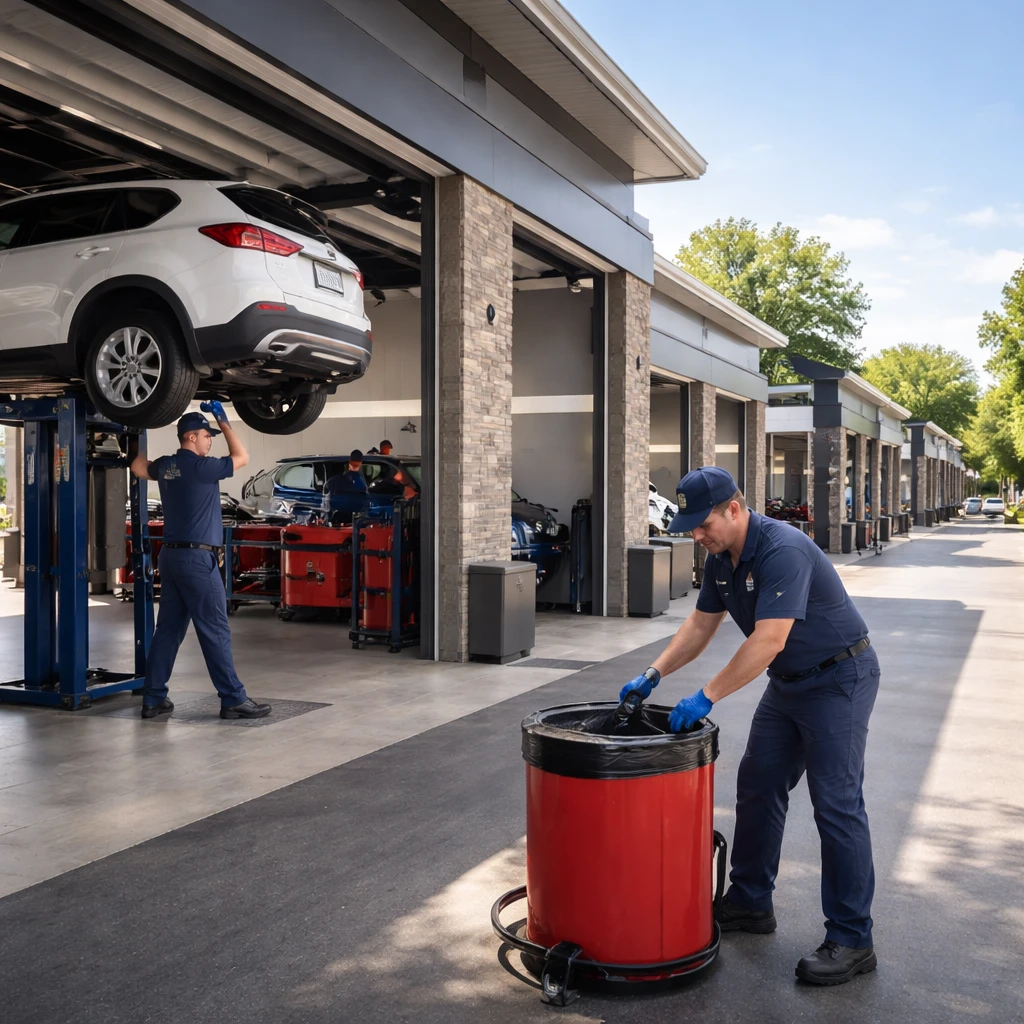
The brokerage highlighted a long runway for unit expansion. Valvoline currently operates about 2,380 locations and, in Stifel’s view, could expand to roughly 4,000 units over the next decade in what the firm describes as a fragmented market. Stifel said lower-cost modular store formats and build-to-suit approaches should reduce capital requirements and speed the ramp-up of new stores.
Stifel also flagged a planned national advertising fund expected to launch in fiscal 2027. The firm expects that the fund will help accelerate customer adoption at new locations and thereby improve returns on new-unit investments.
Near-term demand outlook
Near term, Stifel anticipates demand will rebound after weather-related disruptions. Data pointing to a recovery in traffic could support second-quarter same-store sales at or above market expectations, which the brokerage cites at about 5.3% for the quarter.
The brokerage also observed that demand for oil changes has historically been resilient during periods of higher fuel prices, with only modest declines in miles driven in most scenarios. Stifel said pricing gains are expected to offset any limited volume pressure that might arise from minor reductions in driving.