
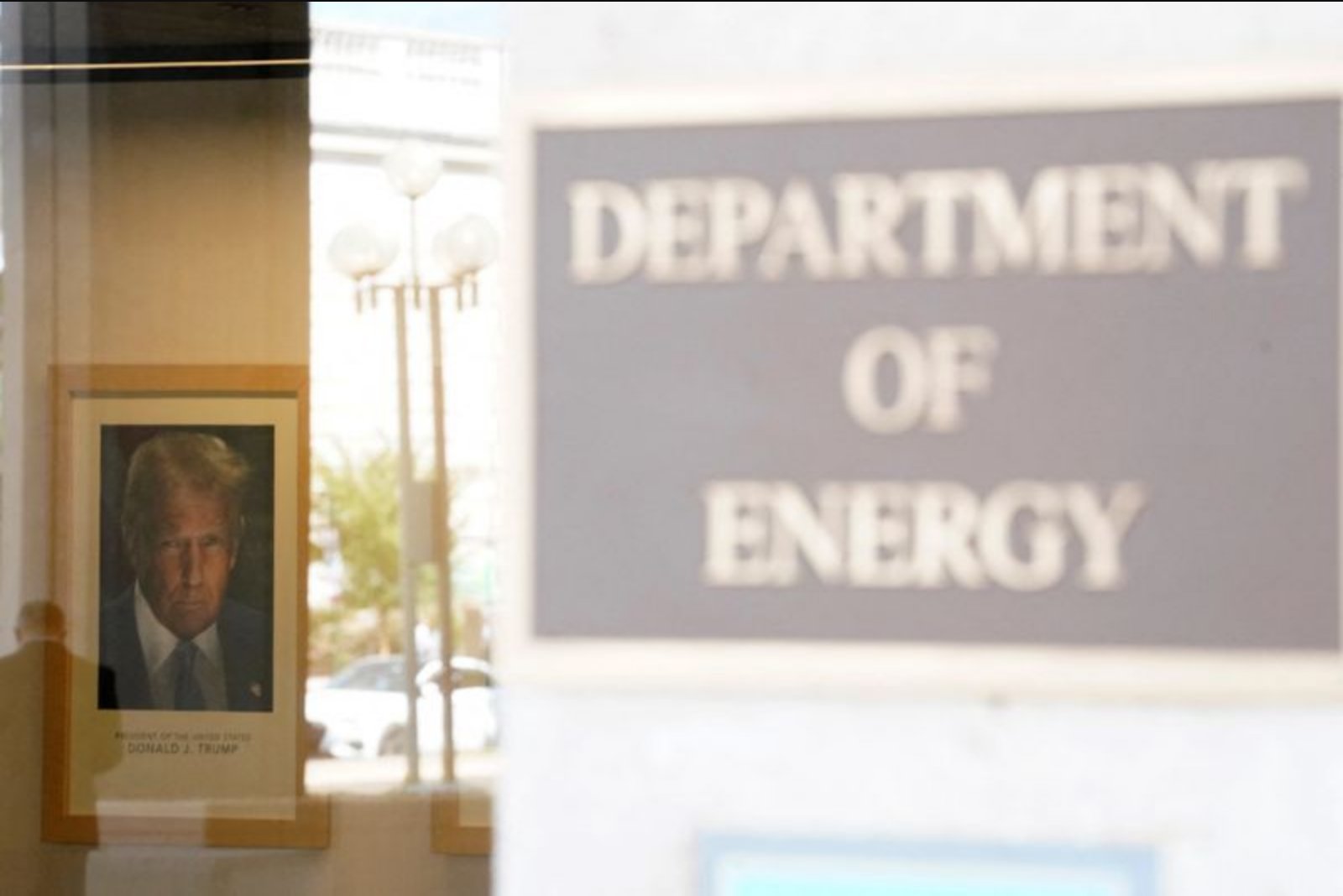
The Energy Information Administration (EIA) will launch pilot surveys this week aimed at improving federal understanding of how much electricity U.S. data centers consume, the agency's administrator told attendees at an energy conference.
Speaking at the CERAWeek conference in Houston, EIA head Tristan Abbey characterized the effort as an exploratory data collection exercise intended to clarify activity in a sector where visibility is limited despite rapid investment. "It really is a data exploration exercise to figure out what exactly is going on in this very important part of the economy that we don’t have a lot of visibility into," Abbey said.
The initial outreach will begin in three states and will expand over time, Abbey said. The first round of pilots will take place in Virginia, Washington State and Texas - jurisdictions selected in part because they host substantial data center capacity, with Virginia noted as having the world's largest concentration of such facilities.
Early survey items will ask operators whether they maintain backup power systems and, if so, what fuels those systems use. Abbey described the pilots as the first steps in assembling what he called a "patchwork quilt" of information that could ultimately support a recurring, larger-scale survey of the sector.
The move comes as major technology companies continue to invest heavily in new, energy-intensive computing facilities across the United States. The scale of those investments - described by industry observers as involving hundreds of billions of dollars - has raised questions among the public about the possible impact on electricity bills. Consumers have expressed concern that rising demand for power, driven in part by AI computing, could increase household utility costs. Tech companies have been reported to consider a range of power sources for their facilities, including nuclear, natural gas and coal.
The EIA has some recent experience in surveying nontraditional computing operations. In 2024 the agency initiated a survey of cryptocurrency mining operations under emergency authority, but that effort was paused after two mining firms filed lawsuits alleging the survey was conducted in a rushed and intrusive manner.
Abbey, who assumed the EIA leadership role in September of the previous year, emphasized that the new pilot surveys will be implemented in a phased manner. That approach appears intended to address concerns raised during the earlier crypto-mining survey and to allow the agency to refine questions and procedures before any potential widescale data collection.
Implications
- Improved data from the EIA could inform policymakers and utilities about the evolving power needs of large computing facilities.
- Sectors most directly affected include energy generation, transmission and distribution, as well as companies that build and operate data centers.
- Results may also be of interest to investors tracking infrastructure and technology firms exposed to AI-driven compute demand.